
Vandaag of morgen in huis

Kwaliteit gegarandeerd

Welkomstaanbiedingen ontgrendelen: GRATIS bezorging | Tot 80% korting | Gratis 30 dagen JoyPlus-proefperiode
Download de app
A quick noodle dish may seem easy to choose, but the differences between instant rice noodles can be considerable. Some packs contain only dried noodles, while others include several sachets of stock, oil, vegetables and toppings. Preparation times also vary, from soaking for three minutes to boiling for twelve minutes.
If you focus only on an appealing flavour name or a large pack, you may end up disappointed. Before buying rice noodles, pay particular attention to the following common pitfalls.
Rice vermicelli, wide rice noodles and noodles intended for soup each have a different texture. Fine vermicelli is suitable for light soups and Vietnamese dishes. Thicker noodles, such as kway teow, are better suited to stir-fries or hearty broths.
So check the type of noodle rather than just the name on the front. A product for a quick noodle dish may turn out very differently from a bag of rice vermicelli that you combine yourself with vegetables and stock.
Words such as tom yum, beef hue style or luosifen refer to a dish or flavour profile. They do not guarantee that the contents precisely match a traditional recipe. According to the brands’ product descriptions, some products are inspired by regional dishes; the actual ingredients are listed in the ingredients list.
So check which flavourings are included. According to the product specifications, for example, Hao Huan Luo luosifen contains sour bamboo shoots, pickled vegetables, peanuts and fried tofu skins, among other ingredients. A simpler instant product may contain only noodles, a soup sachet and some dried vegetables.
A box containing 24 or 30 portions is convenient for students, offices and households that like to keep supplies in stock. However, a multipack is less suitable if you have not tried the flavour before or quickly tire of having the same variety.
As well as the total price, compare the weight per portion, ingredients and shelf life. Products with lots of separate sachets also require a little more preparation than noodles where you simply add hot water.
Instant noodles are not automatically ready just because you add boiling water. The product information may state that boiling is required. For example, the 300 g x 6 Hao Huan Luo Liuzhou Luosifen set requires approximately twelve minutes of boiling. According to the instructions, the 70 g Jub Jub Tom Yum requires around three minutes of boiling.
Also check the amount of water required. For the products mentioned, this is around 350 to 500 ml, depending on the soup base and portion size. Too much water makes the broth bland; too little can make the flavour too intense.
Always read the label before use. Flavourings in particular may contain allergens that you would not expect from the noodles themselves. The product specifications list, among others, soya, wheat, peanuts, milk, fish, crustaceans, sesame and molluscs.
Also pay attention to the salt content. The stated values vary considerably: Jub Jub Tom Yum lists 6.6 g of salt per 100 g, while Wai Wai Rice Noodle Kway Teow, according to the product information, contains only rice and water and lists 19 mg of sodium per 100 g. Use nutritional values only as a point of comparison; if in doubt, check the packaging, as this takes precedence.
An individual portion of around 55 to 92 g is practical for lunch, studying or eating on the go. Larger packs of 247 to 375 g often contain extra toppings and are more suitable for a complete bowl of soup. A 908 g bag of rice vermicelli is instead a basic ingredient that you can use to prepare Vietnamese rice noodles, bun bo hue or other Asian dishes yourself.
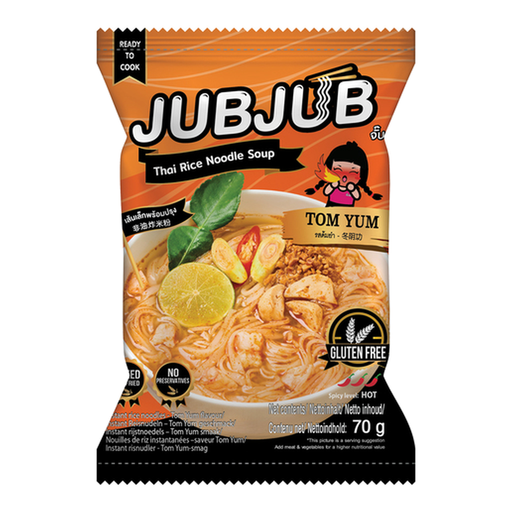
Why it suits this profile: A single portion with a preparation time of around three minutes is straightforward for anyone trying instant rice noodles for the first time.
The preparation steps and amount of water are clearly stated in the product information, so there is no need to guess.
70 g per pack, rice noodles and tom yum seasoning containing lime, lemongrass, galangal and chilli, among other ingredients.
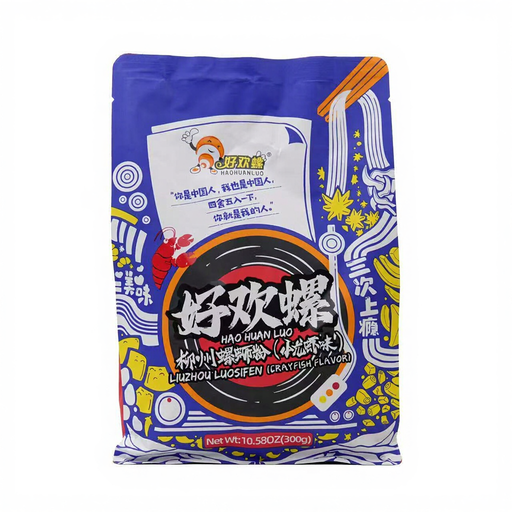
Why it suits this profile: Ideal for anyone who values multiple layers of flavour and toppings more than the shortest possible preparation time.
The product description lists separate sachets for stock, pickled bamboo shoots, vinegar, chilli and crayfish seasoning.
300 g per pack, noodle preparation in approximately 8–12 minutes, with allergens such as soya, wheat and crustaceans clearly listed.
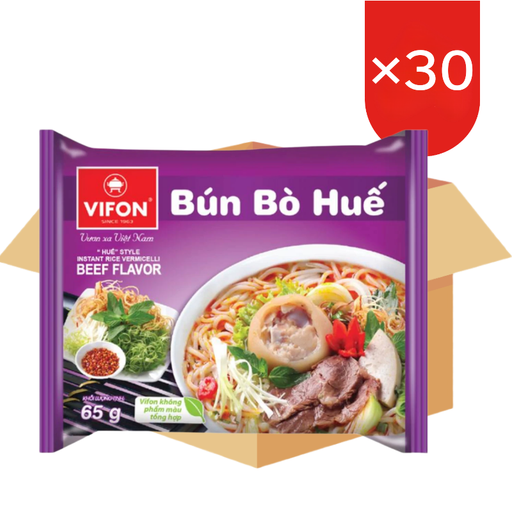
Why it suits this profile: A box containing 30 portions is ideal for families, offices and keeping a reliable supply on hand for busy days.
The pack contains individual 65 g portions, allowing you to manage your supply without leaving a large bag of rice vermicelli open.
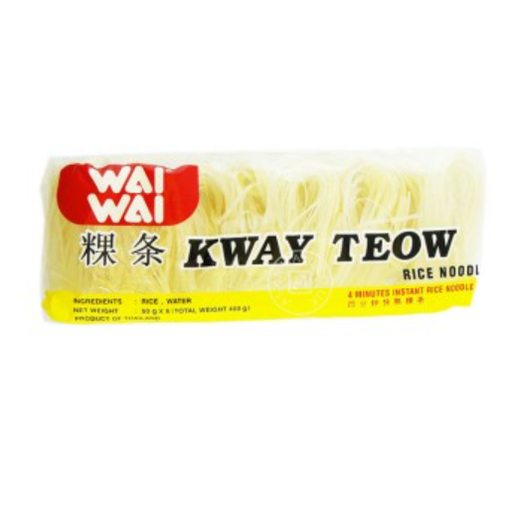
Why it suits this profile: Suitable for anyone who wants to add their own flavourings, vegetables, egg or source of protein to Thai and South-East Asian dishes.
You do not pay for flavour sachets you may not use. The ingredients list contains only rice grain and water.
400 g of wide kway teow rice noodles, without the 14 main EU allergens according to the product information.
We have put together a complete, up-to-date list of products that fully meet these strict selection criteria and the applicable European safety regulations.
Fresh ingredients can make a simple bowl more substantial. Try pak choi, spring onion, bean sprouts, coriander, lime or mushrooms. Add them when the noodles are nearly ready so they retain their texture.
With spicy rice noodles, it is best to add chilli oil gradually. Some products, such as luosifen and Sichuan hotpot varieties, contain several flavourings. Adding vinegar, oil or chilli powder separately gives you greater control over the flavour of your bowl.
Store opened dried noodles in a sealed container in a cool, dry place. According to the product information, products with opened flavour sachets or prepared broth should be consumed immediately. Check the packaging for damage, leakage or swelling, and always follow the preparation and storage instructions on the label.
It varies by product. Some rice noodles need to be boiled for 8–12 minutes, while other varieties are ready after adding boiling water and leaving them to stand for 3–4 minutes. Use the amount of water and preparation time stated on the packaging. Add the flavour sachets according to the instructions and heat all the ingredients thoroughly.
Unopened instant noodles generally keep for several months, but the exact best-before date is shown on the packaging. Store them in a cool, dry place away from direct sunlight. After opening or preparing them, the product information for several varieties recommends consuming them immediately.
The noodles themselves are often made mainly from rice, but the complete dish may contain wheat through the broth or soya sauce. Some products state that they contain no allergens, while others contain soya, wheat or crustaceans. Always check the latest ingredients list and allergen information on the packaging.
