
Vandaag of morgen in huis

Kwaliteit gegarandeerd

Welkomstaanbiedingen ontgrendelen: GRATIS bezorging | Tot 80% korting | Gratis 30 dagen JoyPlus-proefperiode
Download de app
Anyone looking to buy instant ramen will quickly come across dozens of flavours, sizes and pack formats. A 100-gram bag of Japanese ramen, a Korean bowl for eating on the go or a whole box of 30 portions: the right choice largely depends on how you plan to use it.
The biggest mistake is not necessarily choosing the wrong flavour. The problem is usually packaging that does not match your consumption, a spicy broth that turns out to be too intense or allergens that are only noticed after purchase. With these practical checks, you can compare instant noodles, Asian noodles and ramen noodles in bulk in a sensible way.
A box of 30 instant noodles is handy for a family, office or stock cupboard. For someone who only eats ramen occasionally, 3 kg of noodles may be too much. So check:
A pack of 5 x 100 grams is often more practical if you want to try a flavour first. If you regularly need a quick meal, ramen noodles in bulk may offer better value.
A flavour name does not automatically describe the main ingredients. Beef ramen, for example, may contain beef flavouring or beef powder, while a vegetarian version may use soya protein as a flavour and protein component. With prawn ramen, pay particular attention to crustaceans and possible traces of fish or molluscs.
Always read the ingredients list and allergen information. Pay particular attention to:
The product page is useful for an initial comparison, but check the label before eating too. Product packaging can change.
Spicy noodles vary considerably in flavour intensity. Korean ramen may combine chilli, garlic and pepper, while Chongqing noodles are mainly made with chilli oil and Sichuan pepper. Also check the preparation method:
The instructions on the packaging should always take priority. Use the recommended amount of water to prevent the broth from becoming too salty or too watery.
A 100- or 120-gram bag is suitable as an individual meal or substantial snack. A multipack of 5 gives you more flexibility. Boxes with 20 or 30 portions make more sense for families, shared kitchens and offices.
Do not just compare the number of bags; also check the net weight per portion. A box containing 30 x 79 grams has less product than a box containing 30 x 100 grams.
Instant noodles vary from recipe to recipe. Per 100 grams, check the energy, fat, carbohydrates, protein and especially salt content. The soup powder and oil often account for a significant part of the nutritional values. If you want to use less broth, you can adjust the amount of seasoning powder, but if you have allergies, always follow the complete ingredients information.
The nutritional values below come from the product information provided. Check the current packaging before buying and using the product.
A product with separate sachets for powder, oil and vegetables often gives you more control over preparation. Nissin Demae Ramen Spicy Beef, for example, contains a seasoning powder and a separate sachet of spiced oil. Mala noodles usually come with sauce, seasoning powder and vinegar, which are added after draining.
Want to add your own toppings? Choose a neutral or savoury base, such as beef, miso or vegetable. An egg, spring onion, sweetcorn, pak choi or tofu can give a quick meal more texture without making preparation complicated.
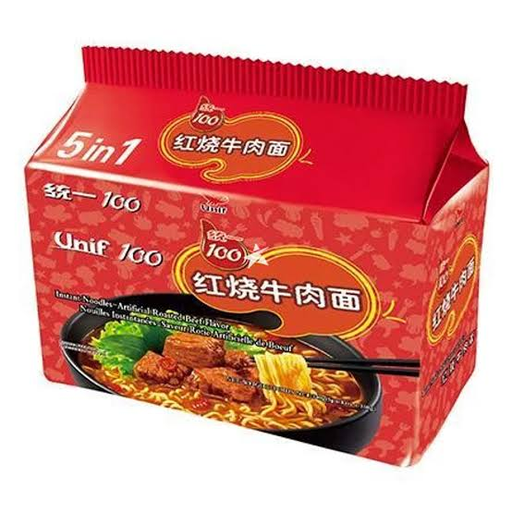
Why it suits this profile: A pack of 5 x 100 grams is a manageable choice if you want to try a classic beef flavour without immediately buying a large supply.
The smaller multipack reduces the risk of ending up with too much stock and states a preparation time of around 5 minutes.
5 x 100-gram bags, beef flavour and dried vegetables according to the product description.
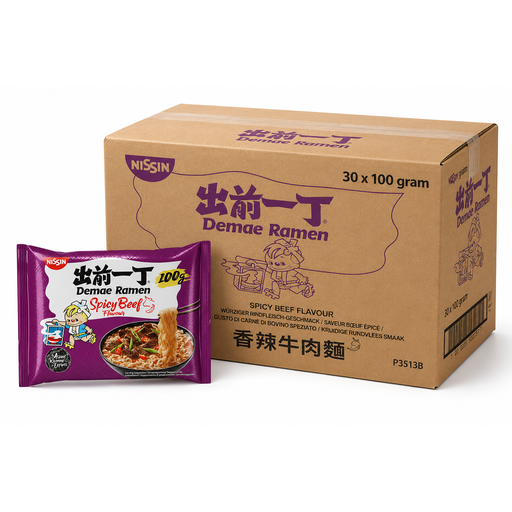
Why it suits this profile: This Japanese ramen combines firm noodles with a spicy beef soup and separate sachets for seasoning powder and oil.
The preparation time is clearly stated: cover with boiling water and leave for 3 minutes. This means you do not have to guess the timing or amount of water.
30 x 100-gram portions, separate spiced oil and ready in 3 minutes according to the product information.
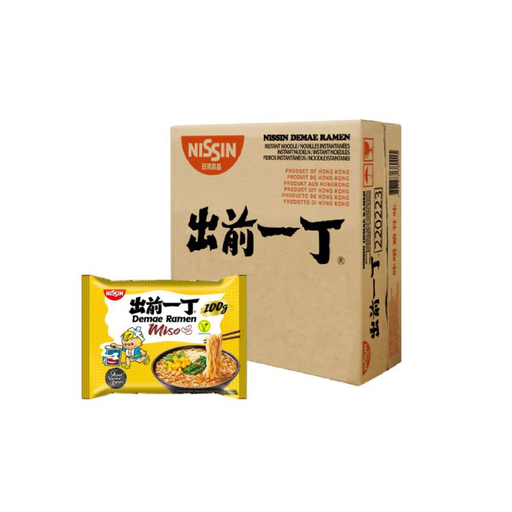
Why it suits this profile: A supply of 30 bags is suitable for households, canteens and offices where quick meals are prepared regularly.
The packaging states 30 x 100 grams, making it easy to calculate your stock and price per portion.
Miso flavour, 30 portions and an energy value of 90 kcal per 100 grams stated in the product information.
If you do not want beef or seafood, consider vegetarian ramen, such as Nongshim Soon Veggie Ramyun. The ingredients list includes wheat and soya; check the label if you have specific allergies.
For fans of bold flavours, options include Nongshim Shin Ramyun, Ottogi Yeul Ramen and A’Kuan Chongqing Noodles. With A’Kuan, the noodles are boiled, drained and then mixed with oil and seasoning. This is a different preparation method from soup noodles. According to the product description, this product contains chilli, sesame and Sichuan pepper, among other ingredients.
We have compiled a complete, up-to-date list of products that fully meet these strict selection criteria and the applicable European safety regulations.
The shelf life is stated on the packaging and varies by product. Store dry noodles in a cool, dry place away from direct sunlight. Do not use damaged packaging and check the date before opening a large supply.
That depends on your portion size and toppings. Many products mainly contain noodles and broth. Add vegetables, egg, tofu or chicken, for example, if you want to make the meal more substantial. Always check the allergen information again when doing so.
Calculate the price per portion by dividing the total price by the number of bags. Then also compare the weight per bag. A box with 30 smaller packs may work out differently per 100 grams from a box containing 30 x 100 grams. This allows you to compare offers more fairly.
