
Vandaag of morgen in huis

Kwaliteit gegarandeerd

Welkomstaanbiedingen ontgrendelen: GRATIS bezorging | Tot 80% korting | Gratis 30 dagen JoyPlus-proefperiode
Download de app
Instant ramen is convenient for students, busy workdays, families and anyone who wants to prepare a hot bowl of ramen soup quickly. However, ramen noodles vary considerably in flavour, portion size, preparation method and ingredients. Eye-catching packaging or phrases such as “restaurant style” do not always tell you what you are actually buying.
As a Joybuy Product Recommendation Officer, I filter the most important product information using verifiable details such as weight, ingredients, allergens, preparation time and packaging format. This makes it easier to compare Japanese ramen, Korean ramen and other instant noodles in a practical way.
A 5-pack of ramen or a box containing twelve sachets may look like good value, but check the weight per serving first. A pack containing 5 × 112 grams is not the same as one containing 5 × 127 grams. Divide the total price by the number of servings and compare the weight per serving as well.
A large multipack is most useful when you already know you like the flavour. For a first purchase, a single serving such as Hikari Miso Restaurant Style Ramen Shoyu Taste, weighing 188 grams, can reduce the risk of buying too much.
Traditionally, tonkotsu refers to a rich broth made in the style of pork-bone broth. In instant ramen, however, the flavour may come from ingredients such as flavourings, extracts, flavour enhancers and powders. For that reason, check the ingredients list rather than relying solely on the name on the front of the pack.
For example, Lamianfan Tonkotsu Ramen includes a pork-style flavour description in the soup base. Hikari Miso lists ingredients including miso and pork extract. These are different product formulations, even though both are categorised as tonkotsu ramen.
Some instant noodles are ready after soaking in boiling water for around three minutes. Others need to be cooked in a pan. When a product contains separate sachets for soup, oil, vegetables or toppings, the order in which they are added can affect the flavour.
Also check whether a fork or other utensil is included. Yang Zhanggui Gao Ren Ramen, for example, states that no fork is included in the packaging due to EU regulations.
Pay attention to these three points:
For a student room or office, a cup or compact electric ramen cooker is practical. A pan gives you more control and makes it easier to add an egg, pak choi or other toppings.
Use the name as your first filter, then read the ingredients:
Wheat and soy are common in ramen noodles and soup bases. Sesame, egg and barley may also be relevant. Always check the label, particularly if you have an allergy or intolerance. Website information may differ from the current packaging.
Salt content also deserves attention. In the product information provided, the stated salt content ranges from 3.75 grams to 7 grams per 100 grams, depending on the product. Do not automatically use the entire soup sachet if you prefer a less intense flavour. This will change the taste and may also affect the nutritional values, so always follow the product packaging in the case of allergies.
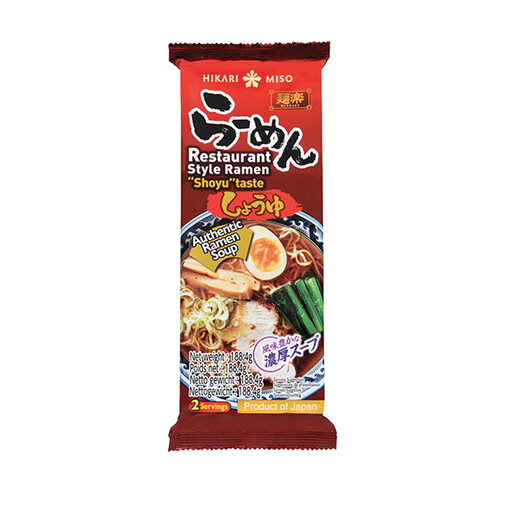
Why it’s a good fit: A single pack is ideal for trying shoyu ramen without immediately committing to a large supply.
The weight and allergens are clearly listed, so you do not have to rely on the product name alone.
Shoyu flavour with listed ingredients such as soy sauce powder, garlic and ginger; contains wheat and soy.
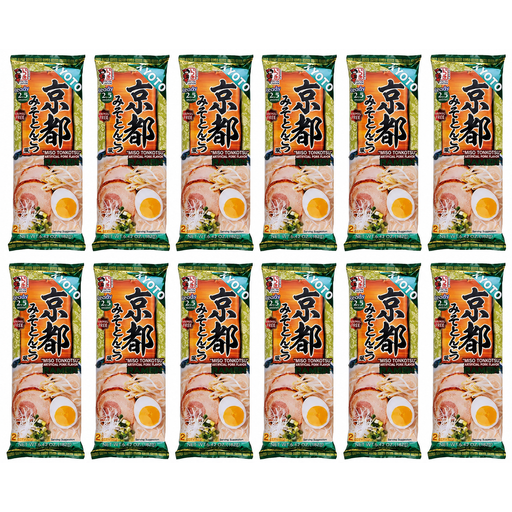
Why it’s a good fit: The box of twelve servings suits households that regularly eat ramen noodles and want to keep a supply on hand.
The product description states a preparation time of approximately 2.5 minutes, making it easy to compare preparation speed.
Miso and tonkotsu-style flavours in one soup base; the ingredient list includes wheat, soy and sesame.
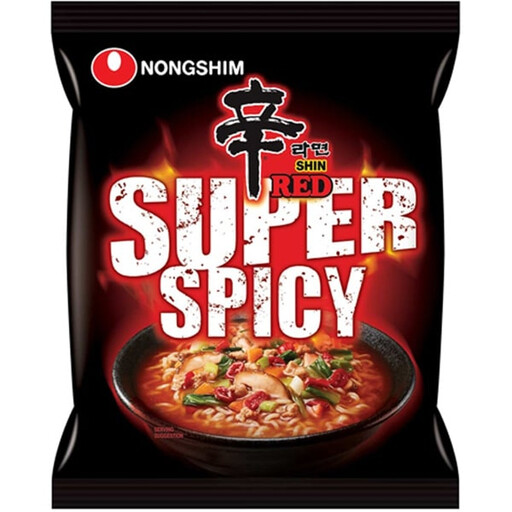
Why it’s a good fit: For anyone looking for a distinctive Korean ramen style with chilli, garlic and pieces of vegetables.
The ingredient list includes chilli pepper, shiitake and dried vegetables; the packaging remains the definitive source for preparation advice and warnings.
A 120-gram serving with a stated energy value of 419 kcal per 100 grams; contains wheat and soy.
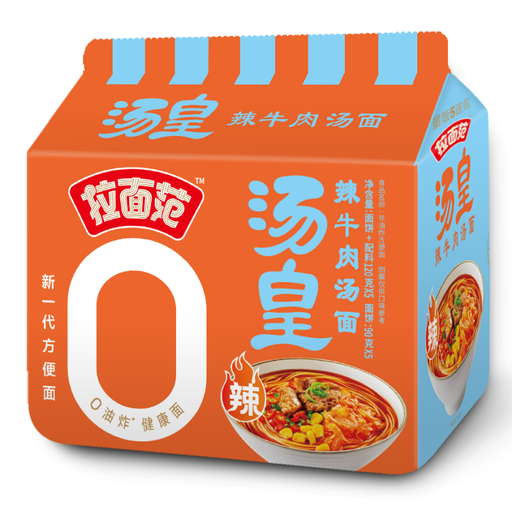
Why it’s a good fit: A family-sized pack for several quick meals, with preparation instructions calling for 550 ml of water and cooking for three minutes.
The 5-pack states both the serving size and the total weight of 600 grams, making stock levels and value easier to assess.
Non-fried noodles according to the product description, plus a separate vegetable packet; contains wheat and soy.
Browse a current selection of products and compare flavours, pack sizes, ingredients and preparation methods for your next ramen meal.
For a simple ramen meal, you can add ingredients you already have at home:
For preparation without a pan, an electric ramen cooker can be useful. According to the product description, the 2.0-litre Plodon has two heat settings and an EU plug. When using an electrical appliance, pay attention to the manual, stable placement and hot surfaces, and ensure that the plug or base is not immersed in water.
The exact shelf life is stated on the packaging. Store the unopened product in a cool, dry place and do not use it if the packaging is damaged. Once opened, it is best to prepare the contents immediately.
That depends on your portion size and toppings. Ramen generally contains noodles and a soup base, but the ingredients vary by brand. Add ingredients such as egg, vegetables or tofu if you want a more substantial meal. Always check the nutritional information and allergens on the label.
A 5-pack may offer a lower price per serving, but compare the total weight, number of servings and price. A multipack makes most sense when you already know you like the flavour. For more variety, alternate between individual Japanese ramen, Korean ramen, shoyu, miso and spicy ramen.
