
Vandaag of morgen in huis

Kwaliteit gegarandeerd

Welkomstaanbiedingen ontgrendelen: GRATIS bezorging | Tot 80% korting | Gratis 30 dagen JoyPlus-proefperiode
Download de app
Instant ramen is handy for students, busy working days and anyone who enjoys Korean ramen, Japanese ramen or other Asian instant noodles. With boiling water or a pan, you can often have a meal ready within minutes. However, products vary considerably in flavour, preparation method, serving size, allergens and salt content.
The packaging does not always tell you the whole story either. So before buying instant noodles, pay attention to the points below.
A ramen multipack may have a lower price per serving, but only if you regularly eat that flavour. A box of 20 packs takes up space and may be less practical if you like to alternate between Japanese ramen, spicy ramen and noodles with a dry sauce.
So compare:
Spicy ramen may mainly taste of chilli, but it can also contain garlic, soy, curry, kimchi, lime or creamy herbs. According to the product description, Buldak Carbonara combines a creamy carbonara sauce with a spicy chicken-style flavour. This is different from a clear Korean broth such as Shin Ramyun.
If you prefer less heat, you could choose a mild Japanese dashi or yuzu flavour. If you want a more intense taste, check whether the pack includes a separate sauce sachet, chilli powder or oil. The amount you add affects the intensity.
Always check the ingredients and allergen information on the packaging. A product may be described as plant-based in the product information while still containing wheat, gluten, soya or traces of other allergens. With vegan ramen, the soup base is particularly important: check that the ingredients list does not include milk, egg, fish or shellfish.
Information on a webshop may change or differ from the packaging. Always read the current label before consumption.
Instant ramen usually contains fried or non-fried noodles. Non-fried noodles may have a different texture and nutritional value from noodle blocks that have been pre-cooked in oil. Igarashi Seimen states that several of its Japanese varieties are made using a slowly dried, non-fried production process. This is a verifiable product specification, but it does not automatically tell you which variety you will enjoy most.
Also consider the preparation method:
Follow the instructions on the label, as the required amount of water and cooking time vary from product to product.
Japanese ramen often has a lighter base, such as dashi, soy or yuzu salt. Korean ramen is more commonly known for chilli, garlic, kimchi or full-bodied seasoning. Indomie Mi Goreng is not served as a soup, but mixed with sweet soy sauce, seasoned oil and spices.
Choose according to when you plan to eat it:
Instant noodles often contain wheat and soya. Some varieties also contain milk, fish, shellfish, mustard, celery, peanuts or sesame. The product specifications for the selected items list different allergens for each product, so do not check only the brand—check each individual flavour.
Also compare the nutritional value per 100 grams and per serving. Several products have a relatively high salt content per 100 grams. This is not automatically a reason to rule out a product, but it is an important point of comparison. You can adjust the flavour by leaving out some of the seasoning or sauce and adding extra vegetables, tofu or egg.
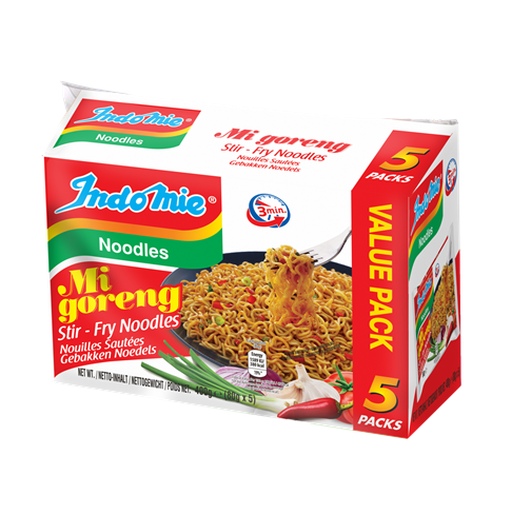
Why it suits this profile: A 5-pack is a manageable choice for anyone who wants to try instant noodles without immediately buying a large supply. The noodles are mixed dry with sauce and seasoning.
The pack states 5 x 80 grams and includes separate sachets of oil, sweet soy sauce, seasoning and chilli. This makes the contents clearer than with one large bulk pack.
Dry preparation, a 5-pack and 380 kcal per 100 grams according to the product information.
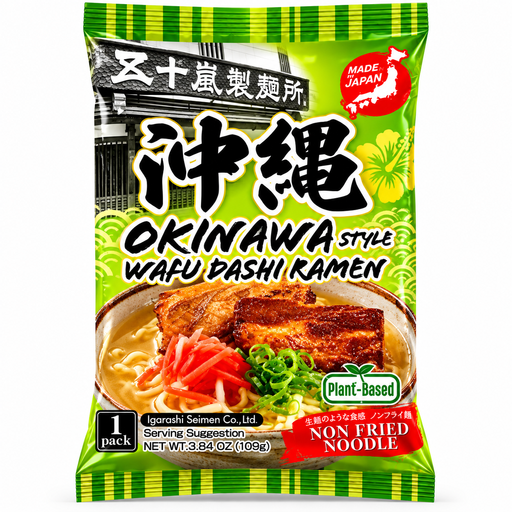
Why it suits this profile: An option for anyone looking for a Japanese flavour base and non-fried noodles. According to the product information, the broth contains soya, seaweed and shiitake.
The product description states the noodle type, flavour base, weight and allergens. This makes it easier to compare than simply relying on the front of the packaging.
Non-fried wheat noodles, 109 grams and suitable for adding spring onion, seaweed or vegetables.

Why it suits this profile: A large multipack for households, offices or enthusiasts who regularly enjoy preparing Korean ramen.
The pack size of 20 is clearly stated. This allows you to decide in advance whether the quantity suits your consumption habits and available storage space.
20 servings of 120 grams, ready in approximately 4 to 5 minutes and suitable for adding egg, vegetables or meat.

Why it suits this profile: The combination of chilli, chicken-style seasoning and carbonara appeals to those looking for a more intense and creamy ramen variety.
The product specifications state 10 x 130 grams and list milk, soya and gluten. This allows you to check in advance whether the flavour and allergens are suitable for you.
10 servings, 130 grams per pack and a separate creamy seasoning mix alongside the spicy sauce.
We have put together a complete, up-to-date list of products that fully meet these strict selection criteria and the applicable European safety regulations.
First check whether the product is intended for boiling or soaking. With many soup noodles, you boil around 500 ml of water, add the noodles and seasoning, then wait 4 to 5 minutes. With cup noodles, pour boiling water up to the indicated line and leave the product to stand for a few minutes. Dry varieties, such as Mi Goreng, are drained after cooking and mixed with sauce and seasoning.
Store unopened instant noodles according to the label in a cool, dry place away from direct sunlight and moisture. The exact shelf life varies by product and is stated on the packaging. Do not use damaged packaging and consume an opened portion immediately.
No. Instant ramen is a preparation and product category, while vegan ramen describes a dietary characteristic. Check the ingredients for milk, egg, fish, shellfish and other animal-derived ingredients. Even with products described as plant-based, it is still essential to read the current label and allergen information.
