
Vandaag of morgen in huis

Kwaliteit gegarandeerd

Welkomstaanbiedingen ontgrendelen: GRATIS bezorging | Tot 80% korting | Gratis 30 dagen JoyPlus-proefperiode
Download de app
Looking to buy instant ramen for a quick meal, lunch at work or a spicy addition to your own recipes? You’ll soon come across dozens of Japanese ramen and Korean ramen products. The packaging often promises restaurant-style flavour, but important differences are usually hidden in the small print: serving size, allergens, preparation method and salt content.
With this practical selection guide, you can compare ramen noodles, a ramen cup, soup bases and sauces based on measurable features. That way, you’re not just paying for eye-catching packaging, but choosing something that suits the way you eat.
A ramen cup weighing around 60 to 70 grams is convenient for eating on the go or as a snack. However, the portion may be limited for a full meal. Always check the net weight and nutritional information per serving. A larger pack of loose noodles, such as 180 to 188 grams, often gives you more scope for toppings or a larger meal.
Spicy ramen may contain a dry seasoning mix, an oily sauce or a sweet and spicy chilli sauce. If you only look for the word “spicy”, you may end up with a flavour that is either too hot or too sweet. Check the ingredients and look out for chilli, garlic, sugar, soy sauce and milk ingredients. A bottle of Samyang Buldak sauce is also not the same as a complete ramen meal: it’s a flavouring that you add to taste.
A product may appear suitable for a vegetarian meal while still containing allergens such as wheat, soya, sesame or milk. Always check the current packaging. For example, the Ajinomoto Soy Sauce Ramen Cup is described as suitable for vegetarians, with a recommendation to confirm this on the packaging. According to the product information, the cup does contain wheat and soya.
For halal products, check the ingredients, origin and any certification in addition to the product name. Yang Zhang Gui ramen is offered as halal and has an egg-free version, but according to the product information it does contain wheat and sesame.
A ramen cup is the simplest option: you usually only need to add hot water and wait a few minutes. That makes it practical at school, at work or while travelling. Loose ramen noodles generally need to be cooked in a saucepan. Igarashi Seimen Tokyo Shoyu Ramen, for example, specifies approximately 500 ml of water and a cooking time of 3 to 4 minutes.
Also check whether a fork or cutlery is included. The Yang Zhang Gui ramen does not include a fork due to European plastic restrictions. This is not a quality issue, but it is useful to know in advance.
Compare the nutrition table per 100 grams AND per serving. Ramen products can contain relatively high levels of salt, especially when you use the entire soup base. For example, Hikari Miso Ramen lists 10.9 grams of salt per 100 grams, while Ajinomoto Miso Ramen Cup lists 4.6 grams of salt per 66 grams. These figures cannot be compared directly without taking the serving size into account.
If you have allergies, pay particular attention to:
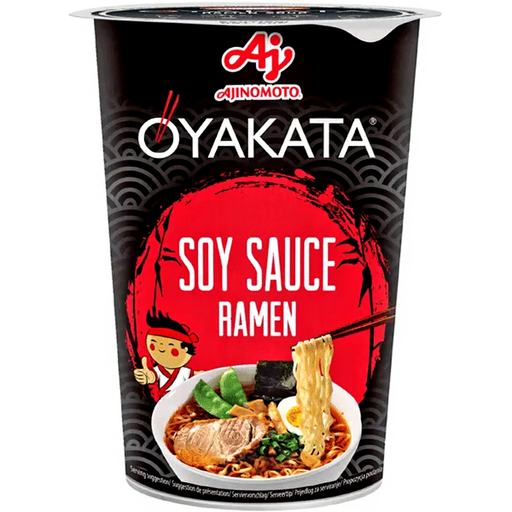
Why it suits this profile: According to the product description, this single-serve cup only requires hot water, making it easy to prepare without a saucepan or extra ingredients.
The net weight of 63 grams is clearly stated, so you won’t mistake the cup for a large meal pack.
Single-serve packaging, soy sauce flavour and quick preparation. According to the product information, it contains wheat and soya.
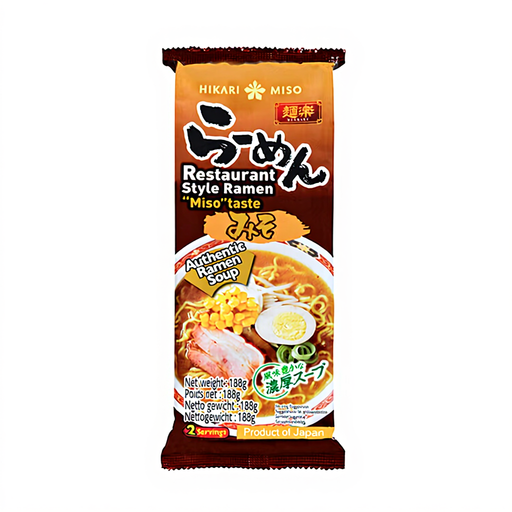
Why it suits this profile: The larger pack is ideal for home cooks who want to customise their ramen with spring onions, vegetables, egg or other toppings.
The pack states the 188-gram weight and includes an ingredients list, allowing you to assess the portion and composition in advance.
A clear miso flavour base, larger contents and, according to the product information, no artificial colourings. Contains wheat, soya and sesame.
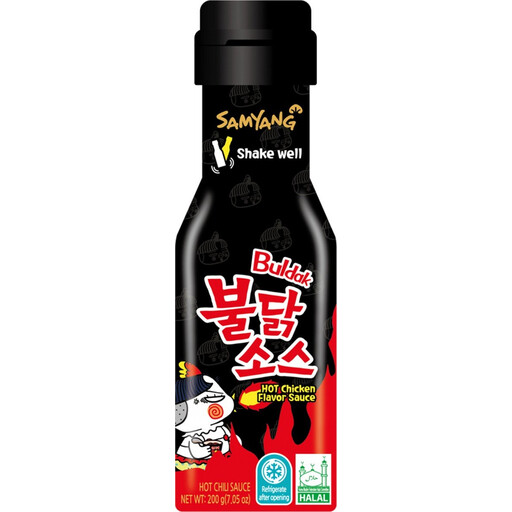
Why it suits this profile: If you already have ramen noodles at home, the squeezy bottle lets you control the amount of sauce for noodles, rice, stir-fries or dips.
You’re not buying a complete meal when all you really want is extra heat. The bottle contains 165 ml and the sauce can be added separately to taste.
Versatile as a dip, marinade or cooking sauce. According to the product information, the sauce contains soya and wheat and lists 2,300 mg of sodium per 100 grams.
We’ve put together a complete, up-to-date list of products that fully meet these strict selection criteria and the applicable European safety regulations.
A simple cup or sachet becomes more versatile with a few fresh ingredients:
For a vegetarian ramen meal, choose vegetables, tofu and a product whose ingredients clearly suit your diet. Pay attention to hidden fish, chicken or shellfish ingredients in seasoning powders.
You can usually prepare a ramen cup directly in its packaging using hot water. Close the lid and follow the waiting time shown on the label. Loose noodles generally require a saucepan or heatproof bowl. Do not use damaged packaging and always follow the official preparation instructions.
Store unopened instant ramen in a cool, dry place away from direct sunlight and moisture. Check the date on the packaging. Once opened, it is best to use the product straight away. For sauces, you should also follow the instructions on resealing and, where applicable, refrigeration.
That depends on the serving size and the ingredients you add. A 63- or 66-gram cup is practical as a snack or light lunch. A larger pack, vegetables, tofu, egg or other toppings can make the meal more substantial. Always compare the nutritional information per serving and check the salt content.
