
Vandaag of morgen in huis

Kwaliteit gegarandeerd

Welkomstaanbiedingen ontgrendelen: GRATIS bezorging | Tot 80% korting | Gratis 30 dagen JoyPlus-proefperiode
Download de app
Instant ramen is a handy option for a quick meal at home, in the office, in a student room or on the go. However, ramen products vary considerably in flavour, portion size, ingredients and preparation. A cup that takes three minutes requires a different choice to a 5-pack of ramen for several meals.
As a Joybuy Product Recommendation Officer, I’ve filtered the most important product information into practical points. This way, you can see more quickly which instant noodles suit your situation and which marketing claims you’re better off checking on the label.
Terms like rich, creamy or restaurant-style mainly describe the expected flavour experience. They don’t automatically indicate how much soup base, oil or seasoning the product contains. So check the ingredients list and nutritional values. With some ramen products, the salt content is around 5 to 7 grams per 100 grams of product. That’s relevant if you’re buying several portions in bulk or eating instant noodles often.
A ramen cup is practical because you don’t need a pan. However, the portion can differ from a sachet or multipack. Pay attention to the net weight, the number of portions and the recommended amount of water. A 122 g cup, a 120 g sachet and a multipack of five sachets are not automatically the same purchase.
Non-fried ramen noodles can have a different texture and preparation method from fried noodles. It’s still important to look at the full nutritional information table. Alongside fat, also check carbohydrates, protein, sugar and salt. According to the product description, several Lamianfan varieties consist of non-fried noodles; that’s a verifiable product specification, not a general health claim.
First, choose the direction you’re after:
A product with “pork-style” or “chicken-style” flavouring is not the same as a clear mention of a traditionally prepared broth. Base your choice on what’s actually stated on the label.
For a ramen cup, boiling water is usually sufficient. The Lamianfan Tonkotsu Ramen Cup (122 g) states a preparation time of three minutes. With a sachet of instant ramen, you’ll often need a pan. The Lamianfan Spicy Beef 5-Pack, for example, requires 550 ml of water and three minutes of boiling.
A ramen cooking pot or electric ramen cooker can be handy if you don’t have a kitchen with a hob. When checking an electric model, look at:
A larger model isn’t automatically more practical. For one person, 1.6 litres is often enough. For a family or multiple portions, around 2.4 to 2.6 litres is more convenient.
Most ramen noodles in this range contain wheat and gluten. In addition, soya and sesame are common. Some products also contain barley, egg or ingredients with flavourings from pork, chicken, beef or seafood. Always read the current packaging, especially if you have an allergy or dietary requirement.
Also pay attention to the nutritional value per 100 grams versus per pack. A 187 g pack can contain considerably more than a standard sachet of around 120 g. The preparation instructions, best-before date and storage conditions are on the packaging and take precedence over online information.
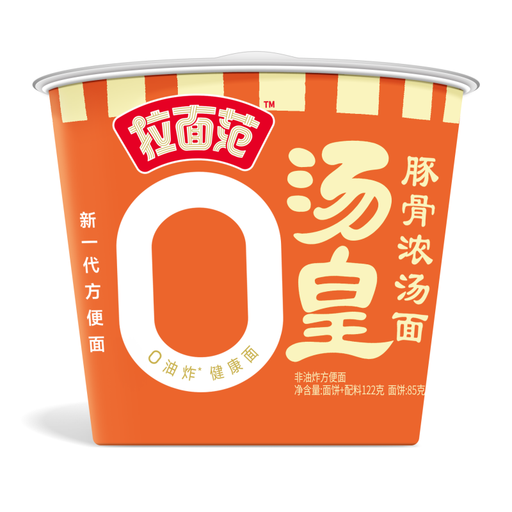
Why this fits the profile: This ramen cup is suitable if you want to start without a pan or hob. Simply add boiling water up to the line and leave the cup to stand for three minutes.
The 122 g content and preparation method are clearly described, so you can estimate the portion and cooking time in advance.
Non-fried noodles, vegetable sachet and three-minute preparation. Contains wheat and soya.
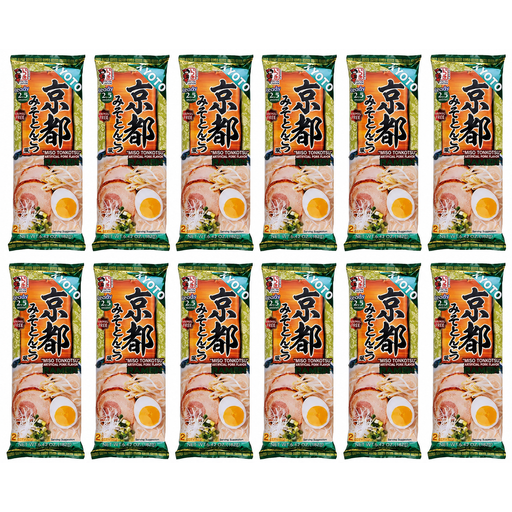
Why this fits the profile: The box contains twelve 182 g packs. That suits households that want a regular supply of Japanese ramen and enjoy adding their own toppings.
The product information states the portion size, preparation time of 2.5 minutes and allergens such as wheat, soya and sesame.
Miso-tonkotsu flavour, twelve portions and suggestions for spring onion, egg and chashu.
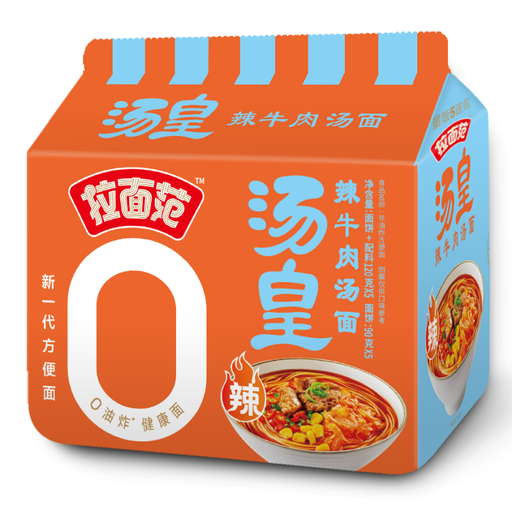
Why this fits the profile: This multipack is aimed at regular eaters, families and small households who want to keep several portions of spicy ramen in stock.
The packaging states five 120 g sachets, 550 ml of cooking water and a three-minute cooking time. The spiciness is recognisable in advance from the beef and chilli profile.
Stock of five portions, non-fried noodles and vegetable sachet. Contains wheat and soya.
We’ve put together a full, up-to-date list of products that fully meet these strict selection criteria and comply with current European safety regulations.
Always follow the instructions on the packaging. In practice, this order often works well:
When using an electric ramen cooker, place it on a stable, heat-resistant surface. Do not touch the pan or lid during use. Allow the appliance to cool down before cleaning it, and never submerge the electric base in water.
Check the best-before date on the packaging and store the product in a cool, dry place away from direct sunlight. Do not use a pack if it is damaged. With multipacks, it’s wise to keep the sachets dry and well sealed.
Yes, many electric cooking pots are suitable for noodles, soup and pasta. Check the capacity, power and instruction manual. Do not fill the pan above the indicated maximum mark and only use the recommended heat settings. A model with dry-boil protection can be practical, but it doesn’t replace supervision during cooking.
Instant ramen is designed for a short preparation time and can be supplemented with vegetables, egg or another topping. However, do check the portion size, nutritional value and allergens. The amount of salt in particular varies from product to product. This way, you can make a purchasing decision based on concrete information rather than just the flavour name on the front.
