
Bulk buyers who portion their own oats
A large pack of plain oats lets you decide how much oats and how many toppings to use. Check the best-before date and storage instructions if you’re planning to keep several packs in your cupboard.


Choose a large pack of plain wholegrain oats if you want to portion them yourself and use one base for a range of breakfasts. Individual sachets save you weighing things out; if you’re considering a protein version or gluten-free oats, the ingredients, allergens and nutritional information on the pack are what matter most. For weight management, your portion size, preparation liquid and any toppings also count.
Start by thinking about how you want to use the pack: weigh out your own portions, prepare a set portion quickly or check a specific ingredients list first.
A large pack of plain oats lets you decide how much oats and how many toppings to use. Check the best-before date and storage instructions if you’re planning to keep several packs in your cupboard.
Individual sachets are handy if you don’t want to weigh anything out in the morning. According to Albert Heijn, the Quaker Oats Express Naturel we looked at comes in 27 g sachets and takes two minutes to prepare. For your breakfast, also check how much you add to each sachet.
If you need gluten-free oats or want to compare a protein version, the product name alone isn’t enough. Read the ingredients, allergen information and nutritional details on the pack you’re actually buying.
First, compare the portion you actually want to prepare. Then consider whether a set portion, a larger pack for your cupboard or a specific recipe matters most to you.
| What to consider | What to check | Particularly useful for |
|---|---|---|
| Portion and additions | Read the nutritional information per portion and per 100 g. Include your chosen liquid and toppings in your breakfast too. | If I want to plan my breakfast, I need to know how much oats I’m using and what I’m adding. For around 33% of consumers, portion size and energy content are the main considerations. |
| Speed and routine | Check the weight of each sachet and the preparation instructions for your chosen method. | On busy mornings, I want to prepare a measured portion without weighing the oats first. Around 25% of consumers prioritise this quick, consistent routine. |
| Bulk packs and weighing your own portions | Check the pack size, best-before date and storage instructions. | For regular use, I want one pack that I can portion out myself and seal properly. This is the main priority for around 25% of consumers. |
| Ingredients and allergens | Read the full ingredients and allergen list. If you need gluten-free oats, check the label on the pack, and compare protein content for the same quantity. | If I need to avoid an ingredient or am looking for a different recipe, I want to know exactly what’s in the product first. This specific requirement matters most to around 17% of consumers. |
A sachet and a portion you’ve weighed yourself may contain different amounts. Milk, yoghurt, nuts, sweeteners and other additions also change the finished breakfast. The Voedingscentrum points out that preparation and additions matter.
Compare the nutritional information per 100 g and for the amount you use. Then consider what you’re adding to that portion.
Oats can come into contact with gluten during processing. According to the Voedingscentrum, this is an important distinction for people with coeliac disease.
Check whether the pack says ‘gluten-free’ or carries the Crossed Grain symbol, and read the allergen information again when you buy it next time.
Added ingredients can make its recipe different from that of regular porridge. For example, the Jumbo Havermout Proteïne we looked at contained wheat protein.
Compare protein values for the same quantity, and read the ingredients and allergen information before choosing a version.
A brand name doesn’t tell you how much a portion weighs or what ingredients a particular version contains. Use the product examples below to compare labels more closely.
Quaker offers both regular wholegrain oats in a larger pack and individual Oats Express sachets.
The Jumbo range includes regular wholegrain oats as well as products with a specific recipe.
Albert Heijn’s range lets you compare product information for different types of oats.
These two Quaker products are designed for quick porridge: a regular Express version and a Protein version. Compare their packaging and labels with your own preferences for portions and ingredients.
 Image unavailable
For anyone who wants to prepare porridge quickly. According to the Joybuy product description, it’s ready in two minutes and contains wholegrain oats. Check the pack to see how much you use for each breakfast, and read the allergen information.
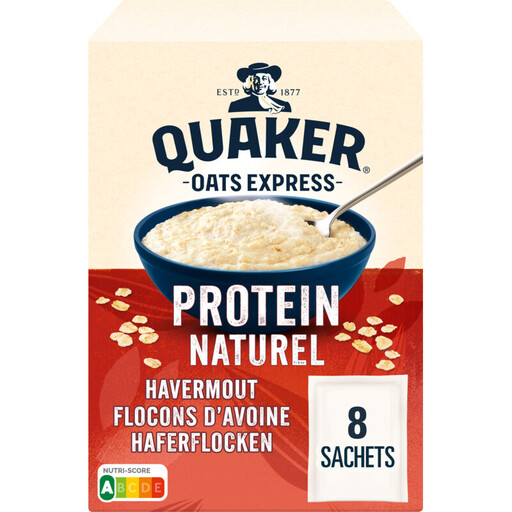 Image unavailable
For anyone who wants to compare a protein version with regular porridge. Compare the protein values for the same quantity, and check the ingredients and allergen information on the pack.
No, choosing one breakfast product won’t determine the outcome. The Voedingscentrum emphasises the importance of your overall diet and energy intake over time, so consider your portion, preparation liquid and toppings at breakfast too.
Follow the storage instructions and best-before date on the pack. For the porridge products we looked at, the advice is to store them in a cool, dry place and seal the pack securely after opening.
Don’t assume so without checking: according to the Voedingscentrum, oats can come into contact with gluten during processing. If you need gluten-free oats, check whether the pack says ‘gluten-free’ or carries the Crossed Grain symbol.
Read the allergen information on the pack. The Netherlands Food and Consumer Product Safety Authority says this information must appear on the label of pre-packed products. Also look for any statements about ingredients the product may contain.