
Campers comparing sugar content
You want to take oats for breakfast and look beyond the wording on the front of the pack. The ‘of which sugars’ figure per 100 g and the ingredients list help you compare products on a like-for-like basis.


For festival camping, first compare the sugars per 100 g, then check how you can prepare the oats. Sachets save you measuring them out, while a larger pack of plain oats takes up more space and means you’ll need to portion them yourself. For both options, check that the preparation method suits the liquids and cooking facilities available. If you have dietary restrictions, also read the ingredients and allergen information on the pack you’re taking with you.
You want to take oats for breakfast and look beyond the wording on the front of the pack. The ‘of which sugars’ figure per 100 g and the ingredients list help you compare products on a like-for-like basis.
You’re looking for a breakfast that suits the facilities at your campsite. Check whether your pack says you can mix the oats cold or specifies a pan, microwave or hot water for preparation.
You want to take enough oats without carrying more than you need. If you need to avoid soya or rely on gluten-free oats because you have coeliac disease, checking the current label is more important than convenient packaging.
Start with the nutrition information and ingredients. Then decide whether you want individual portions or a larger pack, and whether you can prepare them at the campsite as directed.
| What to consider | What to check before buying | Who it matters to |
|---|---|---|
| Sugars and claims | Compare the ‘of which sugars’ figure per 100 g and read the ingredients. According to the Netherlands Nutrition Centre, ‘low sugar’ for solid foods means no more than 5 g of sugars per 100 g; ‘no added sugars’ is a different claim. | I don’t want a convenient sachet or a claim to sway my comparison; sugar content is the top priority for around 36% of consumers making this choice. |
| Preparation | Check whether your variety can be mixed cold or needs hot water, a pan or a microwave. Also consider what liquid you’ll be taking with you. | Without a proper kitchen, my breakfast needs to suit what I can prepare on site. Around 29% of consumers prioritise ease of preparation. |
| Pack size and quantity | Compare the pack size and number of portions with the breakfasts you’re planning; with loose oats, you’ll need to measure them out yourself. | If I’m packing for several days, I don’t want to take more than I need; pack size is the main consideration for around 21% of consumers. |
| Allergens | Check the current information for soya and cereals containing gluten. If you have coeliac disease, look for the official Crossed Grain symbol on the pack. | I need to be able to check whether these particular oats suit my diet; for around 14% of consumers, that reassurance comes first. |
A product can contain naturally occurring sugars even if no sugars have been added. A single-portion pack also tells you nothing about its sugar content.
Compare the ‘of which sugars’ figure per 100 g. For solid foods, the Netherlands Nutrition Centre gives a limit of no more than 5 g of sugars per 100 g for the ‘low sugar’ claim.
The hot preparation instructions for the Quaker Oats Express Naturel portions tested specify a pan or microwave. Check whether you can mix the variety you’ve chosen cold.
Read the preparation instructions before you set off and choose something that suits the facilities you’ll actually have.
Taking a pan or bowl also uses up space in your luggage.
Oats can come into contact with cereals containing gluten. This is an important consideration if you have coeliac disease.
Following the Netherlands Nutrition Centre’s advice, check that the official Crossed Grain symbol is on the current pack.
Taking dry oats is not the same as storing a prepared meal with perishable additions. The Netherlands Nutrition Centre advises keeping perishable foods in a good cool box for no more than one day at a campsite.
Keep the oats dry until you’re ready to use them, and make sure you have suitable refrigeration if you want to take milk or yoghurt.
Quaker offers plain porridge oats and Oats Express portion sachets; compare each variety separately.
Brinta Havermout is an option if you want to measure out loose oats yourself.
The own-label range includes both loose oats and portion packs. Pack size doesn’t tell you how much sugar a variety contains.
Golden Bridge fine wholegrain oats are a loose oat option rather than a pre-measured portion sachet.
These products show three options for a festival breakfast: portioned porridge oats, a portioned Protein variety and loose wholegrain oats. Before choosing, check the preparation method and the nutrition information on the pack you’re buying.
 No image available
An option if you want to take oats in individual portions and spend less time measuring them out. Before setting off, check the preparation method and the latest information on sugars and allergens, especially if you don’t have a pan or microwave.
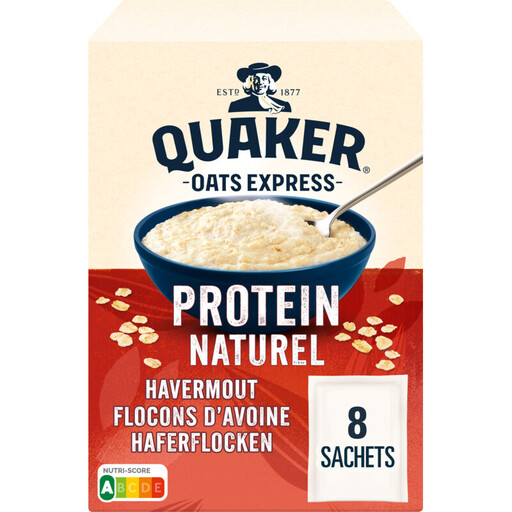 No image available
A useful option if you want to compare the Protein variety as well as portion packs. According to the product information at Albert Heijn, the variety tested contains soya protein; check the current label if you need to avoid soya. Also check that you can prepare it as directed at the campsite.
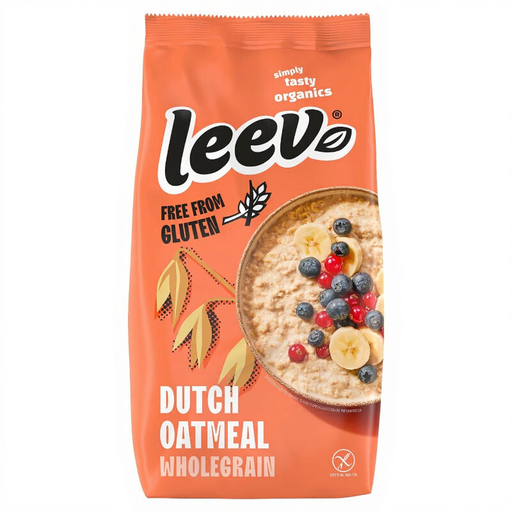 No image available
An option if you’d rather measure out loose oats yourself than take portion sachets. The product description gives conflicting information about gluten; if you have coeliac disease, don’t rely on that description. Check the current label and the Crossed Grain symbol. Also read the instructions for your chosen preparation method.
No, the claims don’t mean the same thing. According to the Netherlands Nutrition Centre, ‘low sugar’ for solid foods means no more than 5 g of sugars per 100 g, while ‘no added sugars’ doesn’t mean there are no naturally occurring sugars. So remember to check the ‘of which sugars’ figure in the nutrition information too.
You can take dry porridge oats without adding milk or yoghurt first, following the storage instructions on the pack. Perishable additions, or prepared oats containing them, need to be kept cool. The Netherlands Nutrition Centre advises keeping perishable foods in a good cool box for no more than one day at a campsite.
Not automatically: according to the Netherlands Nutrition Centre, oats can become contaminated with cereals containing gluten. If you have coeliac disease, check that the official Crossed Grain symbol is on the current pack, even if the ingredients list names only oats.
Compare the ingredients, allergens, sugars per 100 g, pack size, and preparation and storage instructions. For pre-packed foods, the European Union sets out nutrition information requirements for labels; read this alongside the instructions on the pack you’re actually taking with you.