
Office lunchers with limited kitchen equipment
If you don’t want to weigh out a portion or bring a large pack, a pre-portioned cup is worth considering. Check which liquid and preparation method the product requires.


Choose a single-serve cup if you want to take one measured portion for lunch without keeping a bulk pack at your desk. Sachets are a better fit if you have a bowl and the liquid you need; a larger pack lets you decide your own portion sizes, but you’ll also need to take it with you and prepare it. Check the preparation instructions and ingredients for each format.
If you don’t want to weigh out a portion or bring a large pack, a pre-portioned cup is worth considering. Check which liquid and preparation method the product requires.
With those facilities, you could consider sachets: the oats are pre-portioned, while you choose the liquid and any extras.
If ingredients, added sugar or allergens influence your choice, compare the specific product. A cup, plain sachet and protein version may differ.
Start with what you can use at work: a cup, sachet and large pack don’t all need the same preparation. Then check the portion size, nutritional information and ingredients of the product you want to buy.
| What to consider | What to check before buying | Who is this important for? |
|---|---|---|
| Minimal preparation | Is it an edible cup, and what do the preparation instructions say about liquid and equipment? | If I don’t want to bring a bowl or bulk pack, I’m mainly looking for a pre-portioned serving. Around 36% of consumers give this convenience top priority. |
| Pre-set portions | Check the number of sachets, the amount in each sachet and the liquid required. | With a bowl at work, I don’t want to have to weigh out the oats as well. For around 29% of consumers, pre-portioning comes first. |
| Choosing your own portion size | Compare the amount in each pack and the nutritional values per 100 g and per portion. | If I take porridge to work regularly, I want to choose my own lunch portion and compare the nutritional information. Around 21% of consumers put this first. |
| Ingredients and allergens | Read the ingredients and allergen information for your chosen product; check the packaging for any gluten-free claim. | If I need to avoid certain ingredients, I first choose a suitable product and only then consider the most convenient format. This is the first consideration for around 14% of consumers. |
A single-serve pack doesn’t tell you what the packaging is made of. The format can differ too: you may be able to eat from a cup, while a sachet will usually need a separate bowl.
Check the packaging and preparation instructions for the product you’re actually choosing.
According to the product information, Jumbo Havermout Porties Original contains sugar, so a pre-portioned serving isn’t necessarily just pure oat flakes.
Read the ingredients list and compare sugars per 100 g and per portion if that matters to your choice.
According to Albert Heijn, the Quaker Oats Express Protein version contains soya protein. The name won’t tell you whether the ingredients are suitable for your dietary needs.
First check the ingredients and allergens for the exact product; then compare the nutritional values for the same portion size.
Oats Express is worth considering if you’re looking for pre-portioned porridge and can use a separate bowl at work.
The Oats Cup Chocolade is a 75 g single-serve cup for anyone who wants to take a pre-portioned lunch with them.
Havermout Porties Original is an alternative if you want to take individual portions with you but don’t want a cup.
Brinta Havermout comes in a larger pack for anyone who wants to prepare their own portions for work.
AH Glutenvrij’s wholegrain porridge comes in a larger pack and is worth considering if an explicit gluten-free claim matters to you.
These packaged porridge options are worth considering if you want to take a portion with you for lunch at work. For each product, check that you have the liquid, bowl and facilities you’ll need.
 Image unavailable
Worth considering if you want to take porridge to work for lunch. Check the pack for instructions on how to prepare a portion and whether you’ll need a bowl.
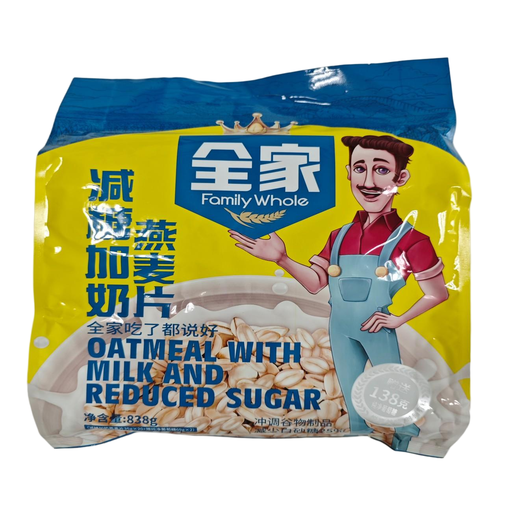 Image unavailable
If you’re considering this blend for lunch at your desk, check the portion packaging, preparation method and required cup. Read the nutritional information and ingredients for this product too; the name alone doesn’t tell you how much sugar your prepared portion contains.
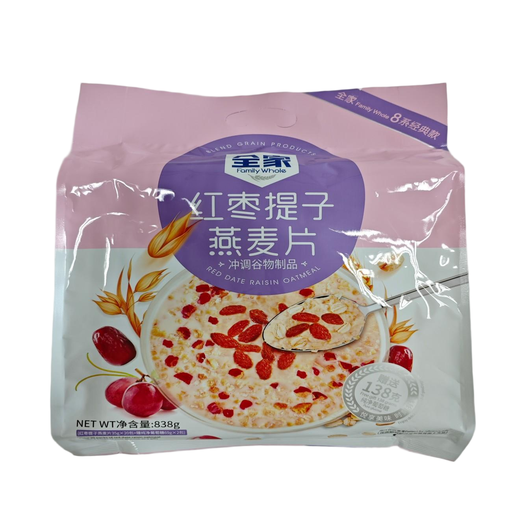 Image unavailable
A porridge product with red dates and raisins to consider if you fancy this flavour for lunch. Check the portion packaging and preparation instructions, and read the nutritional information if the amount of sugar matters to your choice.
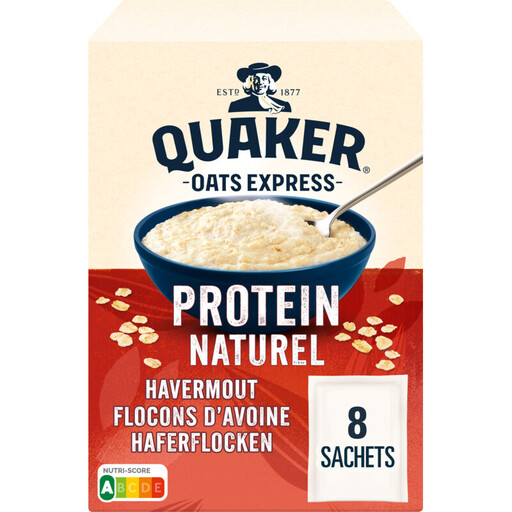 Image unavailable
Worth comparing if you’re also looking at the protein per portion. Before using it at work, check the portion packaging and preparation method; read the ingredients especially carefully if you want to avoid soya.
A cup is particularly convenient if you want to take one pre-portioned serving with you without storing a large pack or individual portions. Do check whether you’ll need water, milk or equipment to prepare it, though; if you have a bowl at work, sachets can be practical too.
According to the preparation options for Oats Express Naturel described by Albert Heijn, a microwave isn’t the only option. Follow the instructions for the version you buy and check which liquid and kitchen equipment you’ll need.
No, don’t assume that porridge is gluten-free. Check the label on the exact pack; according to Albert Heijn, AH Glutenvrij Volkoren havermout is explicitly sold as gluten-free.
Compare the protein per portion for the amount you actually plan to eat, and read the ingredients. According to Albert Heijn, Quaker Oats Express Protein contains soya protein, which is important if you need to avoid soya.