When you have guests, a separate hot water dispenser is especially handy if the porridge packaging calls for hot water and you want to fill several bowls individually. If you only make porridge now and then, your existing kettle may be enough; a boiling-water tap requires a suitable installation and keeps water available for more occasions. Always follow the preparation instructions, and keep hot water and filled bowls out of children’s reach.
Which option is right for you?
Host serving several bowls
You want to dispense hot water into individual portions for guests, one after another. So, check the amount dispensed per serving and the space beneath the spout. Princess and Philips describe models with a choice of portion sizes.
Buyer choosing between different types of porridge
You want to know whether your porridge can be made with water, or whether it needs milk and further heating. Quaker Netherlands’ preparation instructions vary by product.
Household with children visiting
You’ll want a stable set-up and to keep hot water and filled bowls out of children’s reach. VeiligheidNL advises keeping hot liquids away from children; a safety lock is no substitute for supervision.
What should you look for when buying?
Start with the preparation method on the porridge packaging. Then compare portion sizes, safe positioning and the maintenance required for how often you use hot water.
| What to consider |
What should you check? |
Who is this important for? |
| Filling several bowls |
Compare the amount stated on the packaging with the dispenser’s portion settings or continuous flow. Also check that there’s enough room for your bowls. |
If I’m making several bowls in a row for guests, I want to be able to dispense suitable portions. Around 31% of consumers prioritise being able to fill several bowls individually. |
| Suitable for the recipe |
For each type of porridge, check the specified liquid, quantity and whether further heating is required. |
When I serve different types of porridge, I don’t want to assume they can all be made with hot water. Around 31% of consumers prioritise using the right preparation method. |
| Safety when you have guests |
Look for a stable set-up, enough space to fill bowls safely and any safety lock. Supervise use, and check the CE marking on the specific appliance. The Dutch government states that electrical appliances placed on the EU market must carry a CE marking. |
If children can reach the worktop or table, I want to keep hot liquids out of their reach. Around 23% of consumers prioritise limiting contact with hot water. |
| Maintenance and electricity use |
Check the descaling and filter instructions. Compare an existing kettle with an installed reservoir, including its standby power consumption. |
If I mainly use the dispenser when guests visit, I want to know what maintenance it needs and whether an extra appliance suits the way I use it. Around 15% of consumers give maintenance and electricity use top priority. |
Common buying mistakes
-
Assuming all instant porridge only needs boiling water
The Quaker products reviewed have different preparation methods: Pot Protein Naturel calls for boiling water, while Oats Express Bigger Portion Naturel requires milk and further heating.
Check the packaging of the porridge you plan to serve before choosing an appliance.
-
Assuming a larger water reservoir means a suitable portion size
The capacity of a reservoir and the amount you can dispense into each bowl are two different things. The information for the Inventum HWD725B also lists two different reservoir capacities.
Check the portion settings and the capacity of the specific version separately.
-
Assessing energy savings without considering how you use it
An appliance that keeps water hot may use power on standby; a kettle may be an alternative if you only use hot water occasionally.
Consider how often you need hot water, and don’t boil more than you need in a kettle. If you’re considering an integrated option, factor in installation and standby power consumption too.
Brands to consider
Princess
The Princess 237000 is a separate dispenser with a choice of individual portion sizes.
- Princess says you can select 100, 200 or 300 ml, or use continuous flow.
- Princess recommends descaling regularly. The stated speed and taste benefits are manufacturer claims, not independent measurements for porridge.
Philips
The ADD5910M/10 is a separate dispenser with several water volume settings.
- Philips lists six volume settings from 150 to 500 ml, as well as a continuous-flow setting.
- Check that the portion settings match the amount specified on your porridge packaging.
Inventum
The HWD725B is a separate dispenser with temperature settings and a removable filter.
- Inventum lists adjustable temperatures from 45 to 100 °C and recommends replacing the water filter around three times a year.
- The manufacturer lists different reservoir capacities for the HWD725B. Check the capacity of the version you’re considering before taking it into account.
Nedis
According to the Nedis manual, the KAWD100FBK is a separate water dispenser.
- The manual describes the appliance as suitable for household use.
- The manual says the appliance heats water only. Don’t use it to heat milk or other liquids.
Quooker
Quooker offers an installed tap and reservoir system, rather than a separate dispenser.
- Quooker says the PRO3 reservoir holds 3 litres of boiling water.
- The system requires a suitable installation beneath the worktop. Quooker lists standby power consumption of 10 W for the reservoirs shown; Milieu Centraal advises considering your usage pattern and warns that an extra appliance does not benefit the environment in most situations.
Joybuy products
This Joybuy selection features separate hot water dispensers suited to making porridge with water. Always check that hot water is suitable for the preparation method specified for your porridge.
 No image available
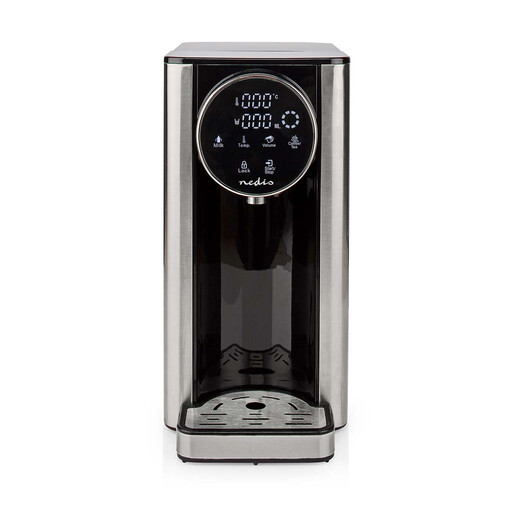
Nedis hot water dispenser, 2600 W, 2.7 l, aluminium/black
An option for home use when the porridge packaging says to prepare it with water. Keep children out of reach and supervise use.
Joybuy
 No image available
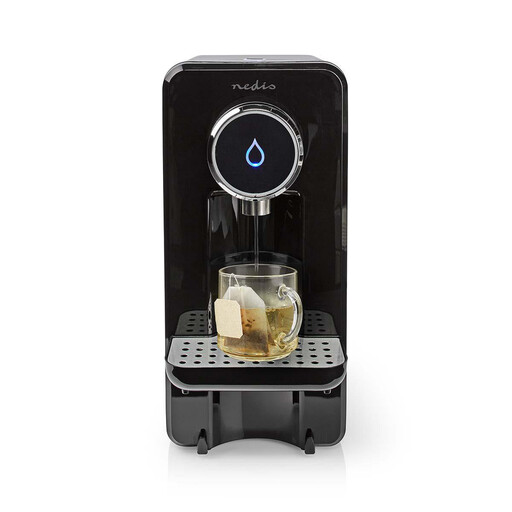
Nedis KAWD100FBK hot water dispenser, 2600 W, 2.5 l, black
According to the Nedis manual, this model heats water only, so don’t use it to heat milk.
Joybuy
 No image available
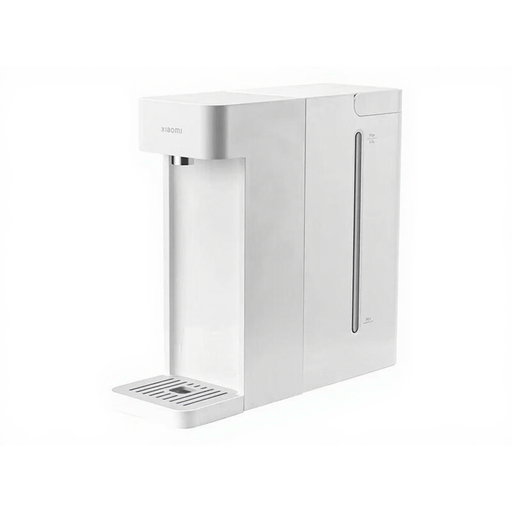
Xiaomi Instant Hot Water Dispenser S1, 4 temperature settings
A compact countertop model for anyone looking for a dispenser that can sit on the worktop. When making porridge, follow the liquid and preparation instructions on the packaging.
Joybuy
 No image available
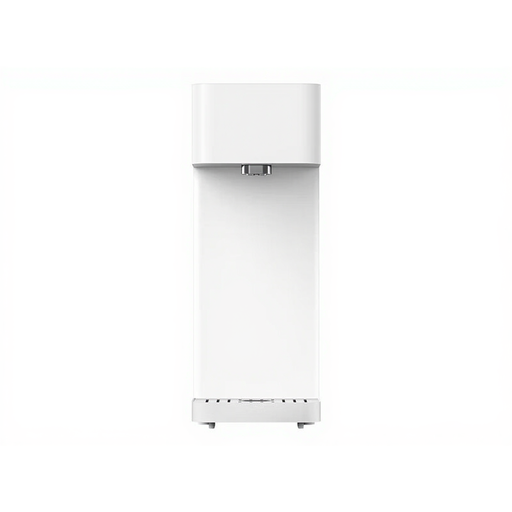
Xiaomi Smart Hot & Cold Water Dispenser, 3 l, 5 temperature settings
The hot and cold settings may come in handy if you’re looking for both functions. For instant porridge, always follow the preparation method on the packaging.
Joybuy
Frequently asked questions
Can I make any instant porridge using water from a dispenser?
No. The Quaker Pot Protein Naturel product reviewed calls for boiling water, but Oats Express Bigger Portion Naturel requires 180 ml of milk and cooking or heating in the microwave. Follow the packaging for your particular product; the Nedis KAWD100FBK manual says the appliance heats water only.
How do I use and maintain a separate dispenser safely?
Position the appliance so children can’t reach the hot water or filled bowls, and supervise while dispensing. Follow the manual for cleaning; Princess recommends regular descaling for the 237000. Don’t heat milk in an appliance whose manual says it is for water only.
How does an installed boiling-water tap affect electricity use?
A reservoir that keeps water hot uses power on standby. Quooker specifies 10 W for the reservoirs shown. Milieu Centraal warns that an extra appliance does not benefit the environment in most situations, so your own usage pattern remains important when choosing.
What rules and consumer rights apply when buying in the Netherlands?
According to the Dutch government, electrical appliances placed on the EU market must carry a CE marking; check the specific appliance. For online purchases by consumers, the statutory cooling-off period is generally 14 days from delivery, according to ACM ConsuWijzer. This is separate from the legal guarantee: the seller is responsible if a product does not meet what you’re entitled to expect.


