
Vandaag of morgen in huis

Kwaliteit gegarandeerd

Welkomstaanbiedingen ontgrendelen: GRATIS bezorging | Tot 80% korting | Gratis 30 dagen JoyPlus-proefperiode
Download de app
A bowl of instant pork-flavoured noodles is handy for a quick lunch, a late-night meal or a well-stocked office cupboard. Yet many packs look more alike than they actually are. The difference often lies in the noodle type, the number of seasoning sachets, the size and the nutritional information.
If you only look at the picture of a steaming bowl, you could end up buying a product that doesn't suit how you'll use it. Keep an eye out for these three common pitfalls:
Look beyond the name on the front. A product might be labelled as pork ramen, pork rib noodles or tonkotsu ramen, but the ingredients can be very different.
Look out for words like:
According to the product description, for example, Hikari Miso Restaurant Style Ramen Tonkotsu Taste contains miso and pork extract. Itsuki Kyoto Miso Tonkotsu describes its soup base as miso with a pork bone flavour. These are verifiable product details, but they don't guarantee that everyone will experience the taste the same way.
Chinese instant noodles are often available as wheat noodles, potato noodles or sweet potato vermicelli. Japanese instant noodles are usually linked to ramen, udon or a specific regional style.
The choice is practical:
“Healthier” isn't something you can automatically conclude from one preparation method. Always compare the nutritional values per 100g, the salt content and the serving size.
For one person on the go, instant ramen cups are practical. You have a bowl, a measuring cup and usually no need for a pan. The Bai Xiang Pork Bone Soup Bowl at 108g needs to steep for five to six minutes, according to the product information. The Oyakata Pork Ramen Cup at 62g is designed as a single serving.
For home use, an instant noodles 5-pack or larger bulk pack is often more convenient. Examples include:
Before you buy, also check whether the packaging fits your storage space. A box of 12 bowls takes up more room than five individual sachets, but it might be easier to use at the office.
The selection below is based on product format, ingredient information, preparation and pack contents. Taste is personal; always follow the label on the pack you receive for allergens and cooking instructions.
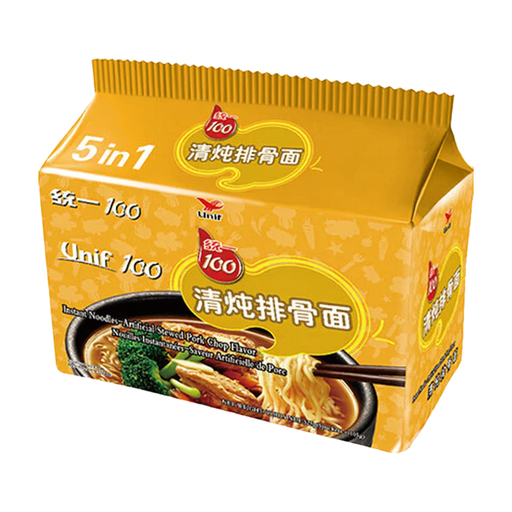
Why this fits: A straightforward pack of five sachets for students, single people or a small home stash.
The net weight is clearly stated as 525g, so you're not relying on the pack image alone.
Five individual servings and a preparation time that, according to the product description, takes just a few minutes.
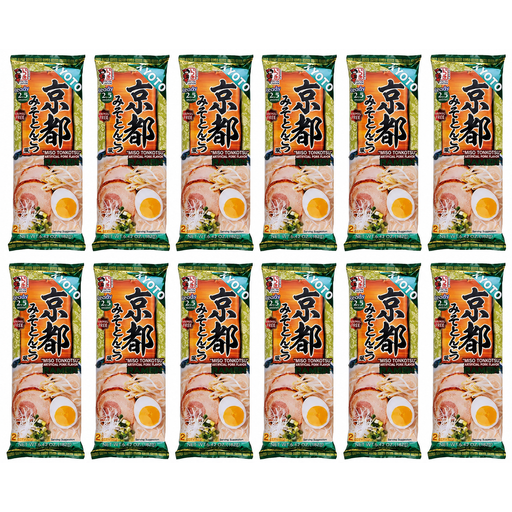
Why this fits: For anyone looking for a Japanese style with miso and tonkotsu flavour who wants multiple servings on hand.
The cooking time is clearly stated: according to the product description, approximately 2.5 minutes.
A box of 12 packs; the product description mentions wheat noodles and a miso-tonkotsu soup base.
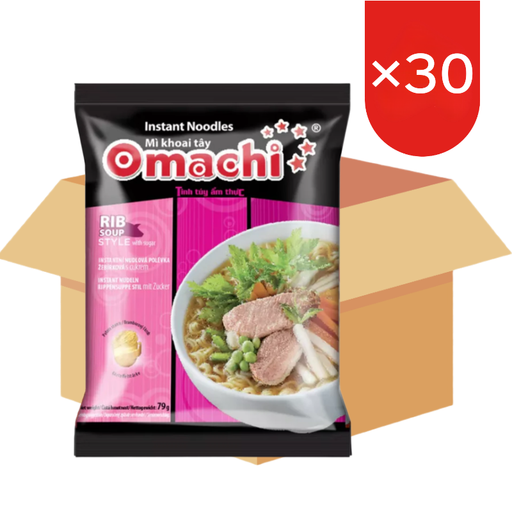
Why this fits: A large supply for families, student houses, offices or frequent noodle eaters.
The contents aren't vaguely described: it's 30 individual packs of 79g each.
According to the product description, the noodles are ready in about three minutes and contain potato starch in the noodle recipe.
Browse a current selection of pork noodles and compare flavour, size, preparation and ingredients per product.
Most products in this selection contain wheat and soya. Some varieties also mention celery, sesame or fish. Omachi, for example, lists wheat, soya and fish; Itsuki products may contain soya and sesame. Always check the bold allergens on the pack, especially if you have a food allergy.
The salt content also deserves attention. The values in the product information vary, for instance from 5.2g to 7g of salt per 100g across different tonkotsu and pork noodles. If you want a less intense flavour, you can choose not to use all the seasoning sachets. That doesn't change the product composition, but it does affect the amount of seasoning in your bowl.
Follow the instructions on the pack. For many sachets, you add around 400 to 550ml of boiling water and leave the noodles to steep for three to six minutes. Some products, such as Itsuki ramen, need to be boiled briefly. Add the sauce or soup sachets at the time the pack instructs.
Store unopened packs in a cool, dry place, away from direct sunlight and moisture. The exact best-before date is on the pack. According to MAMA's product information, an opened portion cannot be stored; prepare the contents and consume them straight away.
That depends on the price and the number of servings. Divide the total price by five, twelve or thirty servings, and then also compare the weight per serving. A bulk pack is especially practical if you already know you like the flavour and have enough dry storage space.
