Choose fine oats if you want to control the thickness of your soft porridge; an Express option is better if you’re looking for a quick, pre-measured serving. If you need to follow a gluten-free diet, check the packaging. If you have difficulty swallowing, whether the prepared porridge is suitable depends on the consistency recommended for you personally – not on the word ‘instant’ on the pack.
Who should consider each option?
Making soft porridge yourself
If you want to adjust the thickness of your porridge yourself, you can prepare fine oats with water or milk. However, a soft meal isn’t automatically suitable if you have difficulty swallowing. Haaglanden Medical Centre recommends seeking personalised advice from a speech and language therapist if you have these difficulties.
Eating porridge regularly
If you make porridge often, a pack of fine oats may be more practical than opening individual sachets each time. You can measure out the amount yourself and choose which ingredients to add. Check the label to see which oats and any additional ingredients you’re buying.
Making a serving quickly
If measuring out ingredients isn’t convenient, pre-measured sachets can make things easier. Albert Heijn lists Quaker Oats Express Original as a pack of twelve 27 g sachets, ready in two minutes in the microwave or in a pan. Even with this type of product, check how thick the porridge will be once prepared.
What should you look for when choosing?
First decide what texture you need and whether you should follow personalised advice on consistency. Then compare the pack size, preparation method and label.
| What to consider |
What to check before buying |
Who it matters to |
| Soft texture |
Check the type of oats and the preparation instructions. If you have difficulty swallowing, follow the IDDSI level personally recommended for the final consistency. |
I want to prepare porridge to suit my preferences, without assuming that ‘fine’ means it has the specific texture prescribed for swallowing difficulties. For around 38% of consumers, being able to adjust the texture is the priority. |
| Pack size |
Compare the amount in a pack with the amount in individual sachets, and consider whether you want to measure out each serving yourself. |
If I make porridge often, I want to choose my own serving sizes without using a sachet for every bowl. Around 31% of consumers prioritise this freedom to measure out their own portions. |
| Convenience |
Check the preparation time, the amount of liquid needed and whether the product suits your preferred preparation method. |
On a busy morning, I want to make a bowl of porridge without having to measure out much. For around 23% of consumers, being able to prepare a serving quickly is the main consideration. |
| Gluten-free labelling |
If you need to follow a gluten-free diet, check the current gluten-free labelling and allergen information. The Dutch Coeliac Society recommends looking for the Crossed Grain symbol on oats. |
If I need to eat gluten-free, I don’t want to rely on the word ‘oats’ alone. For around 8% of consumers, this assurance is the most important purchasing requirement. |
Common misconceptions
-
Assuming ‘instant’ means a suitable texture for swallowing
The thickness of prepared oats changes depending on the amount of liquid, the preparation method and any additional ingredients. According to Amsterdam UMC, if you have chewing or swallowing difficulties, the consistency should match the IDDSI level recommended for you personally; the product name doesn’t determine this.
If you have difficulty swallowing, ask your speech and language therapist or dietitian which prepared consistency is right for you before using a standard product for this purpose.
-
Assuming ordinary oats are always suitable for a gluten-free diet
Oat products can come into contact with other grains and contain gluten. That’s why the Netherlands Nutrition Centre and the Dutch Coeliac Society highlight the importance of gluten-free labelling and the Crossed Grain symbol on oats for people with coeliac disease.
Read the current label and check the relevant labelling and allergen information rather than relying on the product name alone.
-
Assuming a product range means an item is available in store
A product listing doesn’t necessarily tell you how you can buy the item. For example, Lidl lists its jumbo oats as available in store only.
Before visiting or placing an order, check the current product page or ask the store in question.
Brands to consider
Albert Heijn
The supermarket’s own brand offers fine wholegrain oats for anyone who wants to control the amount and thickness of their porridge.
- The product information lists a 500 g pack and a preparation method using 40 g of oats with 250 ml of water or milk, followed by one minute of gentle simmering.
- The final consistency depends on how you prepare it. ‘Fine oats’ doesn’t mean the product has a texture specifically prescribed for swallowing difficulties.
Jumbo
Jumbo lists fine wholegrain oats alongside other oat options, so you can choose between measuring out your own portions and a different pack format.
- The range information includes 500 g packs of fine wholegrain oats.
- Check the preparation instructions and current availability for each product; not every oat product is an instant option.
Quaker
Quaker Oats Express Original comes in pre-portioned sachets, making it a convenient choice if you want to prepare porridge quickly.
- According to Albert Heijn’s product information, this version contains twelve 27 g sachets and takes two minutes to prepare.
- The product information states that it may contain soya, barley and wheat. Check the label if these ingredients are relevant to your choice.
Golden Bridge
ALDI lists fine wholegrain oats under the Golden Bridge brand for anyone who wants to make porridge themselves.
- The listed pack contains 500 g of fine wholegrain oats.
- Check the preparation instructions and allergen information on the current pack before choosing this product for a specific dietary need.
Lidl
Lidl lists both jumbo oats and a separate protein porridge option. These are different products, so check the label of each one.
- The listing for jumbo oats gives a pack size of 500 g.
- Lidl states that these oat products are available in store only. Jumbo oats are also different from fine or instant oats.
Oat products at Joybuy
These Quaker products are options if you’re considering an Express variety or cinnamon-flavoured oats. For soft porridge, always compare the preparation instructions and the final thickness. The product name doesn’t tell you whether it’s suitable for a prescribed swallowing consistency.
 Image unavailable
Quaker Express Oatmeal 324 g
An Express option for anyone who wants to prepare oats without putting together a recipe themselves. Check the instructions for the amount of liquid and the thickness you want.
Pack size: 324 g. If you follow a gluten-free diet or have allergies, check the current information on the packaging.
View at Joybuy
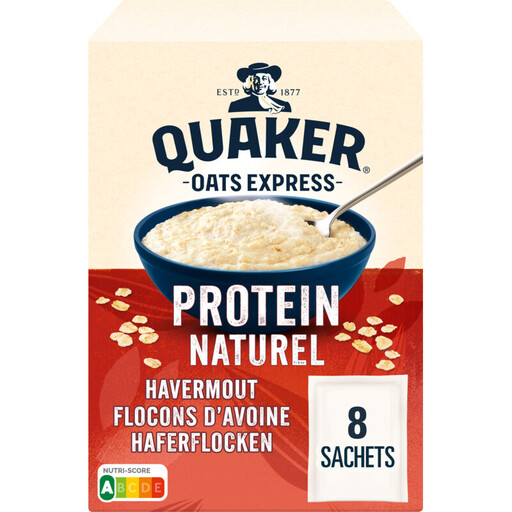 Image unavailable
Quaker Oats Express Protein 302 g
This Protein option is worth considering if you want to compare different Express varieties. Check the ingredients and preparation instructions before choosing.
Pack size: 302 g. Check the current label if soya or other allergens are important to your choice.
View at Joybuy
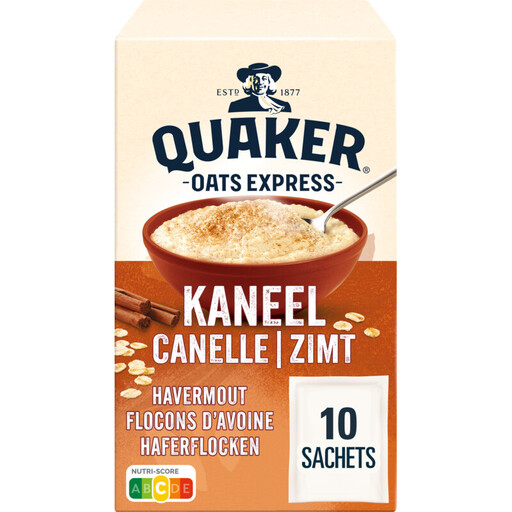 Image unavailable
Quaker Cinnamon Oatmeal 330 g
A cinnamon option if you’d like flavour already added to your oats. Check the ingredients and see whether the thickness suits your preference once prepared.
Pack size: 330 g. Read the current label if sugar or allergens are relevant to your choice.
View at Joybuy
Frequently asked questions
Is instant porridge automatically suitable as a soft meal?
No. Its softness and thickness also depend on the amount of liquid and how you prepare it. If you have diagnosed swallowing difficulties, the meal should match the personalised advice you’ve received on consistency. Amsterdam UMC says an ordinary product name can’t guarantee this.
How can I make soft porridge with fine oats?
Follow the preparation instructions on the pack and check the thickness once it’s ready. For its fine wholegrain oats, Albert Heijn recommends 40 g of oats with 250 ml of water or milk, followed by one minute of gentle simmering. If you have difficulty swallowing, only adjust the texture in line with the personalised advice you’ve been given.
Can I eat ordinary porridge oats if I have coeliac disease?
Don’t assume that ordinary porridge oats are suitable: oat products can come into contact with grains containing gluten. For oats and coeliac disease, the Netherlands Nutrition Centre recommends looking for the official Crossed Grain symbol. Check the current packaging and follow your personalised dietary advice.


