
Vandaag of morgen in huis

Kwaliteit gegarandeerd

Welkomstaanbiedingen ontgrendelen: GRATIS bezorging | Tot 80% korting | Gratis 30 dagen JoyPlus-proefperiode
Download de app
A pack of instant noodles may seem simple to choose, but the differences between ramen, cup noodles and multipacks can be significant. One pack may be designed for a quick snack made with boiling water, while another requires the noodles to be cooked and drained first. Spice level, portion size, allergens and salt content can also vary considerably.
If you focus only on an appealing flavour name or large pack size, you may run into some common pitfalls.
Terms such as “hot chicken”, “spicy” and “fire” do not tell you exactly how much chilli to expect. Korean ramen often comes with a separate sauce sachet, which you can add in full, in part or to taste. With some spicy noodles, the flavour is already included in the seasoning powder or stock.
If you are mainly looking for a creamy flavour, look for varieties such as cheese or carbonara. If you prefer a fresh or savoury stock, yuzu salt, tomato or beef flavours may be a better fit.
A noodle multipack may seem good value, but always check the weight per portion and the total number of sachets. A box of 24 small portions is not the same as five packs weighing over 130 grams each. A large pack can be useful for regular use at home, while a smaller pack offers more flexibility when trying Asian instant noodles.
Cup noodles are usually designed to be prepared with boiling water. Other ramen varieties need to be boiled for four to five minutes and then drained. With stir-fried noodles, a small amount of cooking water is sometimes left in for the sauce. So check the instructions before ordering, especially if you do not want to use a pan.
Start by choosing the flavour direction:
The flavour name is not a guarantee of a particular intensity. Use the ingredients list and preparation method as verifiable indicators.
A cup noodles pack is practical at the office, in a student bedroom or on the go. You add water up to the indicated line and usually wait a few minutes. A sachet often gives you more flexibility: you can prepare the noodles in a pan, add extra vegetables or adjust the amount of sauce.
Pay attention to the cup contents. A pack weighing 70 to 80 grams is mainly suitable as a snack or light meal. Larger bags of around 120 to 140 grams provide a more generous portion, but often also contain more seasoning and sauce.
Before buying, check the label for wheat/gluten, soya, milk, sesame, egg, fish and crustaceans. Product information on a website may change or differ from the packaging. Therefore, always check the current ingredients list, allergen information, preparation instructions and best-before date when your order arrives.
Also compare the nutritional values per 100 grams and per pack. Salt content can vary considerably between instant noodle products. Using all the seasoning sachets can intensify the flavour, but may also increase your overall intake of salt and flavour enhancers. This is not medical advice; if you have an allergy or follow a specific diet, you should check the full label.
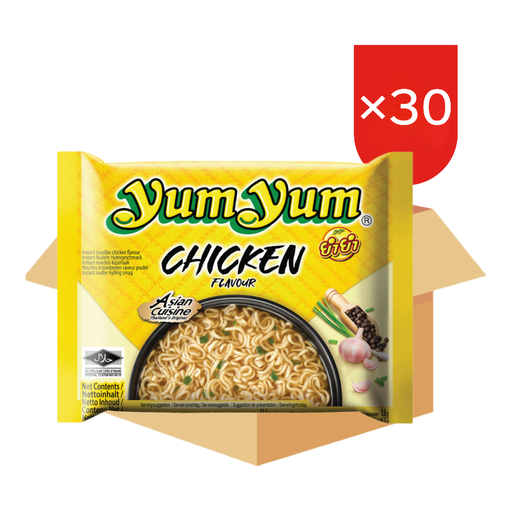
Why it suits this profile: This bulk pack contains 30 individual 60-gram portions, making it practical for keeping a supply at home, in the office or for events.
The number of portions and total weight are clearly stated. This lets you compare the price per portion instead of looking only at the size of the box.
30 portions of 60 grams; preparation with boiling water; chicken flavour for a familiar taste.
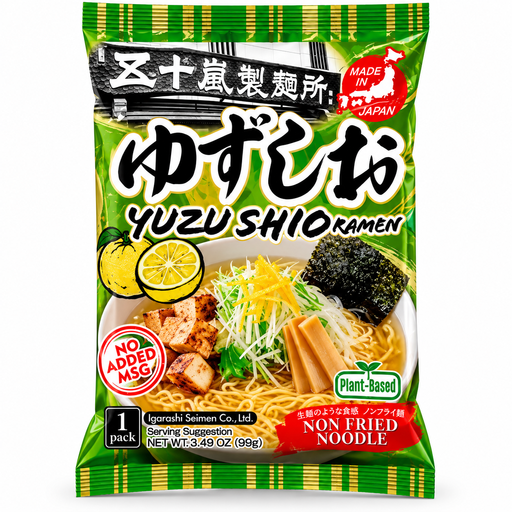
Why it suits this profile: For those who value texture and a lighter flavour, the product description states that this Japanese ramen variety combines yuzu salt with non-fried wheat noodles.
The preparation method is specific: 500 ml of water and around five minutes of cooking. The product information also identifies wheat as an allergen.
Yuzu salt stock; non-fried wheat noodles according to the product description; one 98-gram portion.
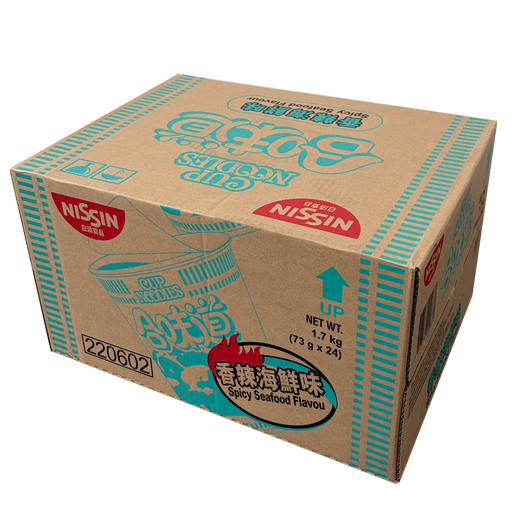
Why it suits this profile: The box of 24 cups is ideal for anyone who often needs a quick portion without using a pan or draining noodles.
Each cup contains 73 grams, and the instructions state that it should stand for three minutes. This makes the portion size clear in advance.
24 cup packs; three-minute preparation; seafood flavour with dried cabbage, spring onion and red chilli.
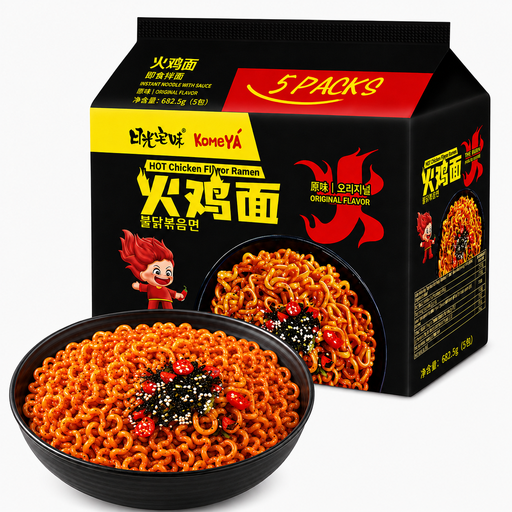
Why it suits this profile: These Korean-style noodles are made for fans of a bold, spicy sauce and a generous portion per pack.
The sauce and topping are packed separately. This means you can adjust the amount of sauce and see which additions, such as soya and sesame, are included.
Five portions of 136.5 grams; three separate sachets; preparation in around four minutes.
We have put together a complete, up-to-date list of products that fully meet these strict selection criteria and the applicable European safety regulations.
Ramen is a type of noodle dish and may refer to Japanese or broader Asian preparations. Instant noodles are dried or pre-cooked noodles supplied with one or more flavour sachets. Korean ramen, Chinese noodles and Thai noodle soup can all be sold as instant noodles, but they differ in sauce, stock, texture and preparation method.
The best-before date is printed on the packaging. Store the products according to the label in a cool, dry place. Check that the packaging is intact before use. If the packaging is damaged, the noodles have an unusual smell or there is moisture in them, it is best not to use the product.
That depends on the portion size, number of packs and price per 100 grams. Cups offer extra convenience, but sachets are often more practical when buying several portions at once or adding your own ingredients. Compare the total quantity, preparation method and any delivery costs before ordering.
