
Vandaag of morgen in huis

Kwaliteit gegarandeerd

Welkomstaanbiedingen ontgrendelen: GRATIS bezorging | Tot 80% korting | Gratis 30 dagen JoyPlus-proefperiode
Download de app
Instant noodles are handy for a quick lunch, a late-night snack or keeping in the cupboard for when you need them. But many packs look alike. A 62-gram cup of noodles is quite different from a 253-gram bag for hot pot, and a multipack won’t automatically suit every household.
The main pitfalls are easy to spot:
First, check the weight per portion and the number of packs. A single 62 or 67-gram cup is suitable for one person and takes very little preparation. An instant noodle multipack is more convenient for students, offices or households that regularly want to make a quick meal.
Bagged noodles often have a higher net weight. Akuan Sichuan noodles, for example, weigh 110 grams and, according to the product information, need around 600 ml of boiling water and six minutes to prepare. That usually makes for a different eating experience from a compact cup of noodles.
Always check the instructions. Many Japanese instant noodles only need boiling water added up to the marked line. Nissin Cup Noodles Teriyaki Chicken has a stated preparation time of three minutes. Other Asian noodles need to be boiled first or left to soak in a bowl of hot water.
Also check what’s inside the sachets. Some products come with separate sachets of oil, sauce, powder and vegetables. This can add extra layers of flavour, but it also means a few more steps.
Curry noodles aren’t always hot; the OYAKATA Japanese Curry Cup is described in the product details as mild and full of spice. Its listed ingredients include turmeric, cumin, cinnamon and other spices. If you’re looking for spicy instant noodles, look for Sichuan pepper, chilli oil or hot pot seasoning.
For beef noodles, chicken noodles and pork ramen, check the allergen information too. Many products contain wheat and soya. Some varieties also list milk, egg, celery, sesame or buckwheat. Nutritional values can vary considerably between products, so compare the salt content per 100 grams or per portion.
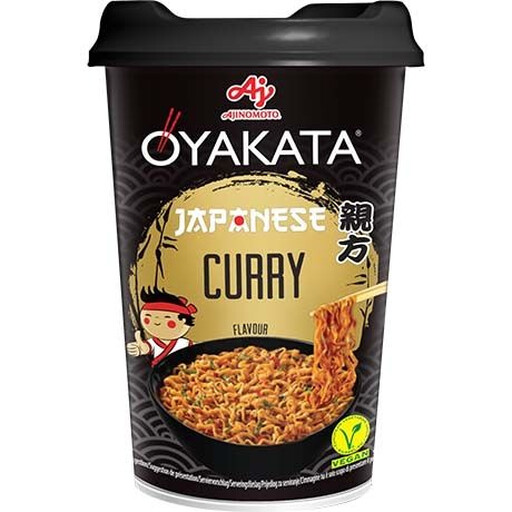
Why it suits this profile: The cup has a clearly defined portion and, according to the product description, is easy to prepare with hot water. Its mild curry flavour makes it an accessible choice if you’re looking to try Japanese instant noodles.
The portion size and cup shape make it clear that this is one quick serving. Do check the allergens on the packaging, though; it lists wheat and possible traces of ingredients including soya and milk.
90 grams per cup; curry seasoning with turmeric, cumin and cinnamon, among other spices; you can add vegetables or toppings if you like.
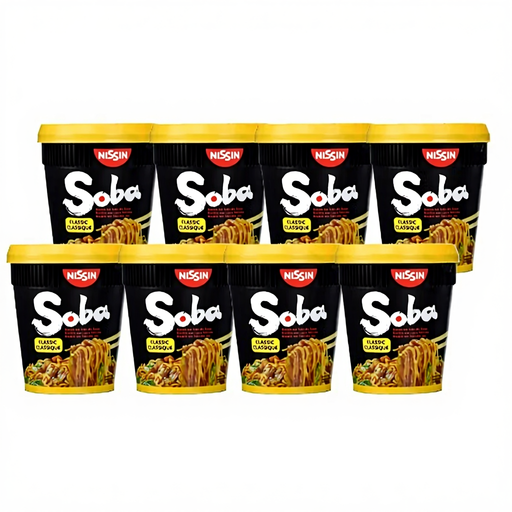
Why it suits this profile: This pack is aimed at fans of Japanese flavours who want a stock of equal-sized portions. According to the product description, the cup has a soya-based broth and takes around three minutes to prepare.
The pack contains eight individual cups, making portions and stock levels easy to keep track of. As it contains wheat, buckwheat and soya, it’s important to check the label beforehand.
8 x 90 grams; cup preparation in around 3 minutes; soba noodles with a classic soya-based broth.
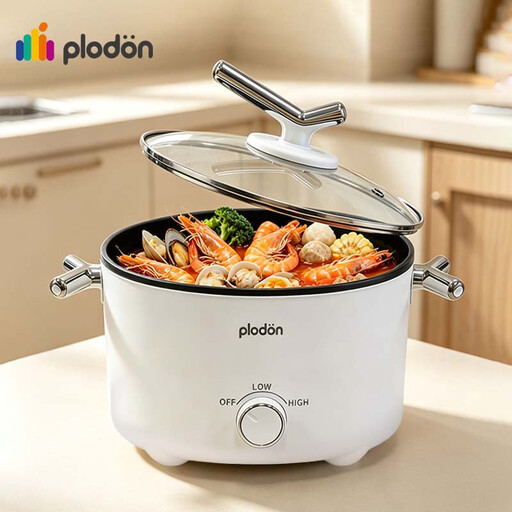
Why it suits this profile: This electric noodle cooker is designed for people who want to make more than just cups of noodles with hot water. You can also use it to cook ramen noodles, pasta, soup or rice in one pan.
The 2.0-litre capacity is larger than that of a mini cooker. According to the product information, fill it to no more than two-thirds full to help prevent boiling over, and read the supplied instructions.
2.0-litre capacity; two heat settings; non-stick coating; glass lid; suitable for noodles, soup, pasta and porridge.
We’ve put together a complete, up-to-date list of products that meet these strict selection criteria and the applicable European safety regulations.
For cup noodles, add boiling water up to the marked line. Close the lid and wait for the time stated on the packaging, usually three to six minutes. Bagged varieties may need a bowl and extra water. Always follow the product instructions and eat the noodles straight after preparing them.
Store unopened instant noodles in a cool, dry place, away from direct sunlight. Check the date and packaging before use. According to the product information provided, it’s best to eat noodles straight after preparing them; don’t leave leftovers at room temperature.
Energy use depends on the power rating and cooking time. A 600-watt cooker uses a maximum of around 0.3 kWh in half an hour; a 1,000-watt appliance uses around 0.5 kWh in the same time. Actual energy use is often lower because the pan doesn’t heat at full power continuously. Also remember to clean it, place it safely and avoid letting it boil dry.
