
Vandaag of morgen in huis

Kwaliteit gegarandeerd

Welkomstaanbiedingen ontgrendelen: GRATIS bezorging | Tot 80% korting | Gratis 30 dagen JoyPlus-proefperiode
Download de app
Fancy some instant noodles with prawns, but can't decide between Thai tom yum, Japanese ramen or a budget-friendly bulk pack? The difference isn't just in the picture on the packet. Portion size, cooking method, allergens and the amount of seasoning mix all determine whether a product is right for you.
As a Joybuy Product Recommendation Officer, I filter the most important product information from the marketing language. That way, you can quickly see which prawn noodles are suitable for a quick lunch, your store cupboard, a student kitchen or the office.
The term "shrimp flavour" or "prawn flavour" doesn't automatically tell you how much prawn is actually in the product. Some products use prawn powder, flavouring or seafood extract. For example, the MAMA Shrimp Tom Yum 90 g lists prawn powder and dried prawns in its product information, while Yum Yum Tom Yum Shrimp Creamy 70 g states 0.7% shrimp in the seasoning mix.
Want real pieces or a clearer seafood profile? Check the ingredients list, not just the front of the packet.
Thai tom yum noodles typically combine sour, aromatic and spicy flavours. A creamy version often contains creamer or milk ingredients, which makes the taste quite different from a clear broth. If you're after a sharp, fresh flavour, look for chilli, lime, lemongrass and galangal. For a milder taste, coconut, creamer or milk powder are a better fit.
Also watch out for allergens. Many varieties contain wheat, soya, crustaceans, fish or milk. Recipes and packaging can change, so always check the label before eating.
A bulk pack is practical, but only if you eat that flavour regularly and have enough storage space. Compare the price per serving, the net weight and the best-before date. A box of 24 sachets is handy for an office or a household with several fans, but less suitable if you like to switch between different flavours.
The reference products range from 55 to 127 grams per pack. A sachet of 55 or 60 g works for a light meal or snack. Varieties from 90 to 108 g make more sense when you want a full portion. The ACECOOK Siu Kay pack contains 127 g per sachet, making it aimed at a larger meal.
Also look at the cooking method:
Choose based on the dish you want to recreate:
Pay particular attention to the bold allergens on the label. With many Asian instant noodles, these are gluten from wheat, soya and crustaceans. Some varieties also contain fish, milk, sesame or molluscs.
Nutritional values are usually given per 100 g, but one pack may be a different portion size. So do your own conversion to the full sachet. Pay particular attention to salt, saturated fat and energy. This information describes the composition; it is not personal dietary advice.
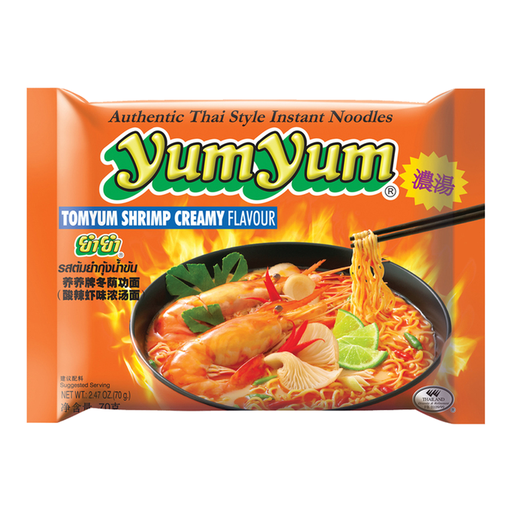
Why this fits the profile: A compact portion with a clear Thai hot-and-sour direction. Preparation with around 360 ml of boiling water and 3 minutes resting time.
The portion is clearly 70 g and the ingredients state 0.7% shrimp in the seasoning mix. This helps you better judge the flavour expectation and quantity.
Creamy tom yum style, wheat and crustacean information available, and ready in just a few minutes.
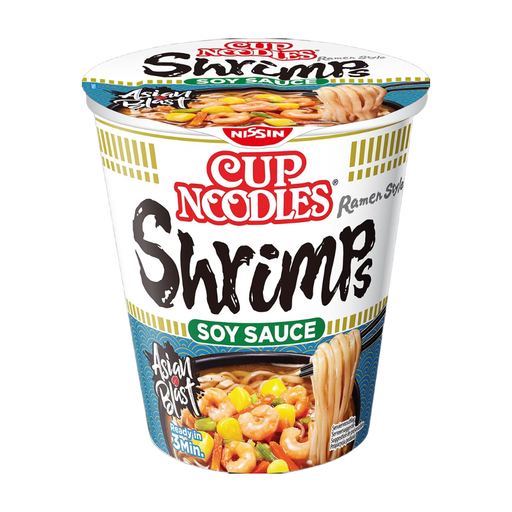
Why this fits the profile: A cup format for those who value convenience, a fixed portion and a savoury Japanese shoyu style.
The product information lists shrimp, vegetables and soy sauce separately. This makes the flavour profile more specific than a general seafood description.
63 g cup, 3 minutes preparation and a stated nutritional value of 77 kcal per 100 g.
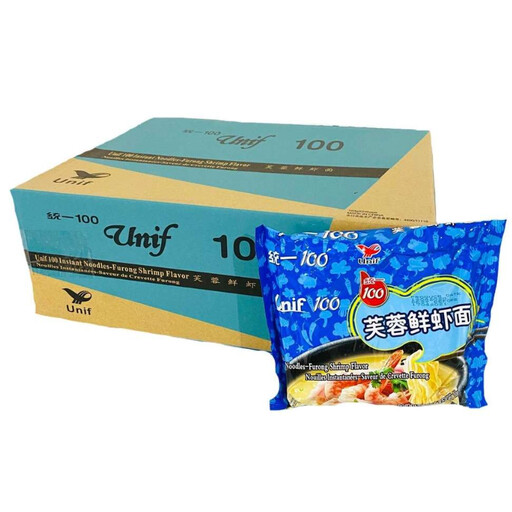
Why this fits the profile: The box of 24 sachets at 103 g each is designed for stocking up at home, in a student house or an office.
The contents are verifiable: 24 individual sachets, each 103 g, with oil, seasoning powder and a separate vegetable pack.
Large stock, dried cabbage, carrot and spring onion, plus preparation with 500 ml water and 3 to 4 minutes cooking.
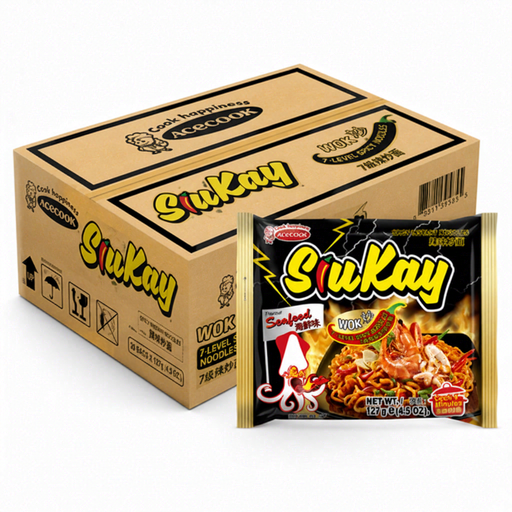
Why this fits the profile: A 24-pack with larger portions for households, shared supplies and fans of spicy seafood flavour.
The product description states the total weight of 3.048 kg and specifies seafood ingredients such as shrimp, fish and squid extract.
127 g per sachet, 24 pieces per box and a combination of chilli, tomato and seafood seasoning.
We've put together a full, up-to-date list of products that fully meet these strict selection criteria and comply with current European safety regulations.
Always follow the instructions on the packet. Use the stated amount of boiling water and respect the resting or cooking time. Add oil, sauce and seasoning only when the cooking method says to. With sachets that have multiple packs, you can start with part of the chilli or oil component if you like, but check the instructions first.
Store unopened instant noodles in a cool, dry place, away from direct sunlight and moisture. Check the packaging for damage and look for the best-before date on the product itself. The packaging contains the most up-to-date information on ingredients, warnings and preparation.
It varies by type. Many sachets and cups require boiling water and 3 to 4 minutes resting time. Other products need to be boiled in a pan for a few minutes. Also check whether the water needs to be drained, as with Pad Thai, or whether it stays as part of the broth.
Unopened instant noodles generally have a long shelf life, but the exact date is on the packaging. Store them dry and cool. Once prepared, it's best to eat them straight away; don't keep a cooked portion at room temperature for long.
Not without checking. Many varieties contain crustaceans and also often wheat, soya, fish, milk or sesame. Always read the current ingredients list and allergen information on the product before ordering or eating.
