
Vandaag of morgen in huis

Kwaliteit gegarandeerd

Welkomstaanbiedingen ontgrendelen: GRATIS bezorging | Tot 80% korting | Gratis 30 dagen JoyPlus-proefperiode
Download de app
A pack of instant noodles may seem simple to choose. However, Asian instant noodles vary considerably in portion size, preparation method, spice level, allergens and packaging. A multipack may look like good value, but it is less convenient if the flavour does not suit your household. A product with eye-catching packaging may also contain different ingredients from those you expect.
This buying guide compares Korean ramen, Japanese ramen, Indonesian noodles and Thai noodles based on practical considerations. That way, you can find a flavour and pack size more quickly that suits home use, students, offices or business stock.
A noodle multipack or box often contains 12, 20, 24 or even 40 portions. So do not look only at the total price. Also consider:
A box of 40 portions of chicken noodles is practical for an office, but less suitable if you want to try different flavours. For a first purchase, five or six portions are often easier to manage.
Spicy noodles can range from a lightly seasoned broth to a very intense sauce profile. With Samyang Buldak, for example, the combination of chilli sauce, garlic, pepper and a creamy powder mix all play a part. According to Samyang’s product description, the Carbonara variant includes, among other ingredients, milk powder, mozzarella powder and butter powder.
Also pay attention to the difference between soup noodles and dry noodles. Indomie Mi Goreng is mixed after cooking, without broth, with sweet soy sauce, oil and seasonings. This produces a different result from Japanese ramen or Korean ramen with a soup sachet.
Always check the ingredients list and allergen information on the packaging. According to the product information, NongShim Soon Veggie Ramyun 112g contains, among other ingredients, wheat and soya. The product contains a vegetable mix, but “vegetarian” or “veggie” does not automatically mean gluten-free, vegan or free from traces of other allergens.
Product packaging can change. Therefore, use the current packaging as your guide and read the warnings, preparation instructions and allergen information before consumption.
First, choose between these main categories:
Preparation time is often around three to five minutes, but follow the instructions on the packaging. The amount of water may vary from approximately 400 to 500 ml.
A standard portion is often between 60 and 140 grams. Examples from the range include:
A heavier pack does not necessarily contain more nutritional value per portion. Compare the nutrition table per 100 grams and per portion where this information is available.
Pay particular attention to:
The enclosed seasoning sachets often account for a large proportion of the salt content. If you prefer a milder flavour, you can use only some of the powder and add extra vegetables or an egg. However, this changes the nutritional value and flavour profile of the prepared meal.
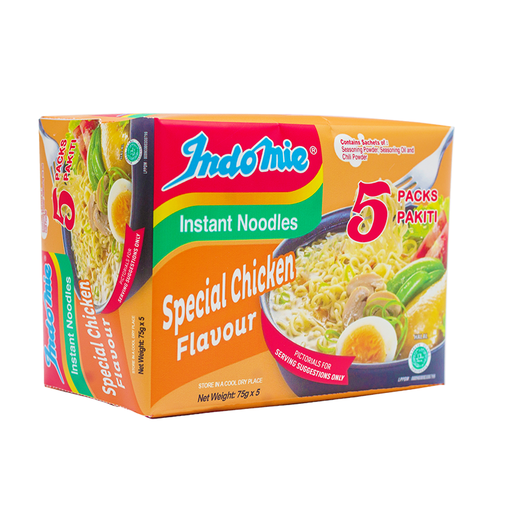
Why it suits this profile: A five-pack lets you try a familiar chicken variety without immediately committing to a large box.
The pack clearly shows the portion size: five 75-gram sachets. This makes the purchase easier to manage than a large bulk pack.
Five individual portions, chicken seasoning and EU packaging according to the product description.
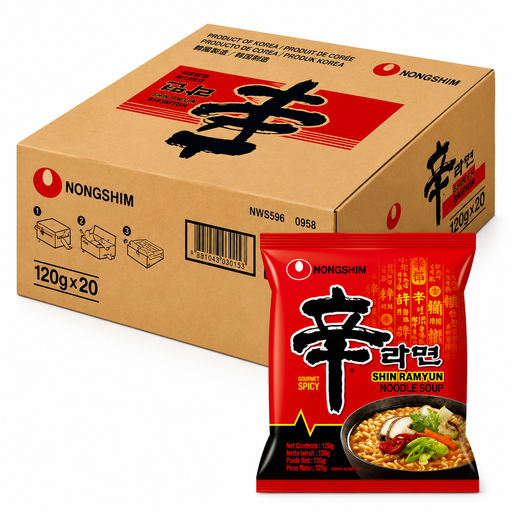
Why it suits this profile: This box is designed for Korean ramen enthusiasts who want to combine a consistent flavour with a generous supply.
The product information specifies 20 individual 120-gram portions and a preparation time of approximately four to five minutes.
20 portions, 120 grams per pack and a soup variety with chilli, garlic and dried vegetables according to the label.
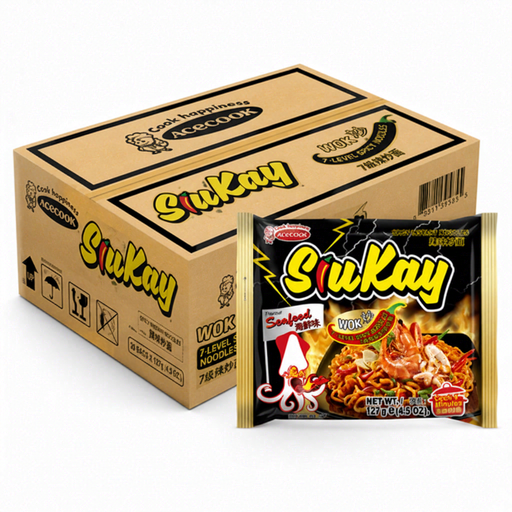
Why it suits this profile: The box is suitable for households, offices and business buyers who regularly want to serve spicy seafood noodles.
The product page clearly states that there are 24 individual 127-gram packs. However, check the seafood allergens beforehand.
24 portions, a total weight of 3,048 kilograms and a flavour profile with prawn, squid and fish extract according to the ingredients list.
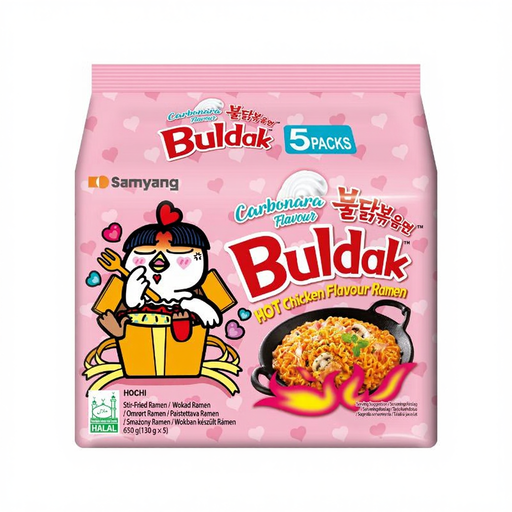
Why it suits this profile: The combination of spicy chicken seasoning and Carbonara flavour is designed for consumers looking for a more intense, creamy variety.
The packaging states both its spicy character and its milk and soya allergens. This helps you assess the flavour and suitability more accurately in advance.
Five 130-gram portions, thick noodles and separate sauce and powder mixes according to the product description.
We have put together a complete, up-to-date list of products that fully meet these strict selection criteria and the applicable European safety requirements.
Store ambient instant noodles in a cool, dry place, away from direct sunlight, heat and moisture. Check the packaging for damage and look at the best-before date before use.
When cooking, use the amount of water and cooking time stated on the label. With dry varieties, add the sauce only after draining. For spicy noodles, adjust the amount of seasoning if necessary. For extra texture, add ingredients such as pak choi, spring onion, egg or mushrooms, provided you take additional allergens and preparation time into account.
Shelf life varies by product and batch. The relevant date is shown on the packaging. Store unopened packs in a dry, dark place. Do not use a pack if it is damaged or if the contents smell or look unusual.
They are designed for quick preparation and can be convenient for students, families and offices. Nutritional value varies by type. Therefore, check the portion size, salt, fat, allergens and ingredients. Vegetables or an egg can be added as an accompaniment.
This depends on the exact ingredients list. NongShim Soon Veggie lists a vegetable mix, while some varieties contain chicken, fish, shellfish or milk ingredients. Always check the current packaging and do not rely solely on the product name or image.
