
Vandaag of morgen in huis

Kwaliteit gegarandeerd

Welkomstaanbiedingen ontgrendelen: GRATIS bezorging | Tot 80% korting | Gratis 30 dagen JoyPlus-proefperiode
Download de app
Fancy a quick bowl of noodles with a savoury seafood taste? With instant noodles with prawns, you can have a lunch, snack or light meal on the table in just a few minutes. But not all prawn noodles are the same. The differences lie in portion size, preparation method, spiciness, allergens and the amount of seasoning.
As Joybuy Product Recommendation Officer, I’ve filtered the most important product information so you can separate marketing claims from verifiable specifications. Below, you’ll find out what to look for before ordering shrimp instant noodles, Thai instant noodles or a bulk pack of instant noodles.
The term shrimp or prawn often refers to a flavour mix. The ingredients list might mention prawn powder, flavouring or artificial prawn flavour. Some products state a small percentage of dried prawn or prawn powder. That’s quite different from a meal with a generous amount of real prawns.
So, check the following:
For example, Uni-President Shrimp Fish states in the product description that it contains real dried prawn and fish cake, with a minimum of 0.09% of each ingredient. That’s verifiable information, but it doesn’t mean the bowl contains a large portion of seafood.
Portions of 55 or 60 grams are practical for a snack or light meal. If you’re looking for a bigger lunch, it’s better to go for 70 to 90 grams or add vegetables, egg or fresh prawns. A cup can also be handy in the office, while individual sachets are usually more efficient for home or bulk use.
Alongside the net weight, pay attention to the preparation method. Some varieties use around 360 to 400 ml of water; a bowl version may require around 500 ml. The amount of water affects the strength of the broth.
Instant Tom Yum noodles usually combine sour, aromatic and spicy flavour notes. A creamy Tom Yum variety often contains creamer or milk ingredients. This can round off the sharp flavour, but it doesn’t automatically make the product mild.
The chilli can be added separately. That’s handy if not everyone wants the same level of heat. When preparing for the first time, you might not use all the chilli paste and add more to taste later.
First, choose the profile you want:
The flavour description comes from the product information of the brand or supplier. So treat a claim like “authentic” as a description, not an objective quality mark. According to MAMA’s own information, the brand originates from Thailand and is known for, among others, Tom Yum and prawn flavours.
Almost all the varieties discussed here contain wheat or gluten. Many prawn noodles also contain crustaceans, soya, milk, fish or sesame. Always check the label on the packaging, especially if you have an allergy or intolerance. Recipes and labels can vary by market or production batch.
Also pay attention to the nutritional values per 100 grams. The product information for different varieties states values around 437 to 473 kcal and approximately 4 to 5.9 grams of salt per 100 grams, but the figures differ per recipe and portion. So compare the same reference unit and check the actual packaging.
A sachet is light, stackable and suitable for storing. A cup or bowl is more practical when you don’t have your own bowl and utensils to hand. For offices, families, catering and Asian speciality shops, a box of 20, 30 or 40 units can be more interesting than individual portions.
When you receive your order, check:
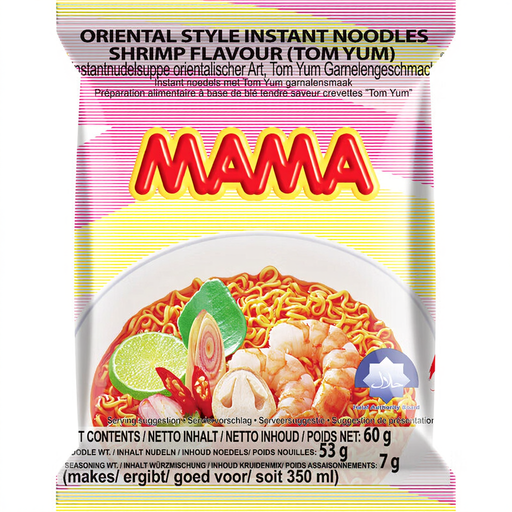
Why this fits the profile: A 60-gram portion is manageable for students, a quick snack or a light lunch. Preparation only requires hot water and a few minutes’ wait.
The net weight and preparation time are clearly stated. So you know in advance that this is mainly a small meal or snack.
60 g per sachet; seasoning mix and chilli paste; according to the product information, ready in 3 to 4 minutes.
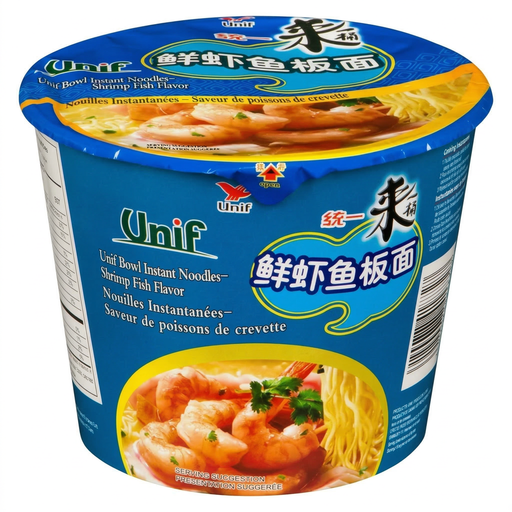
Why this fits the profile: The bowl format and 108-gram portion suit a hearty lunch at the office, on the go or at home without needing extra dishes.
The product description distinguishes between prawn and fish cake flavour and lists the allergens present.
108 g bowl; prawn and fish cake in the product information; prepare with around 500 ml of boiling water.
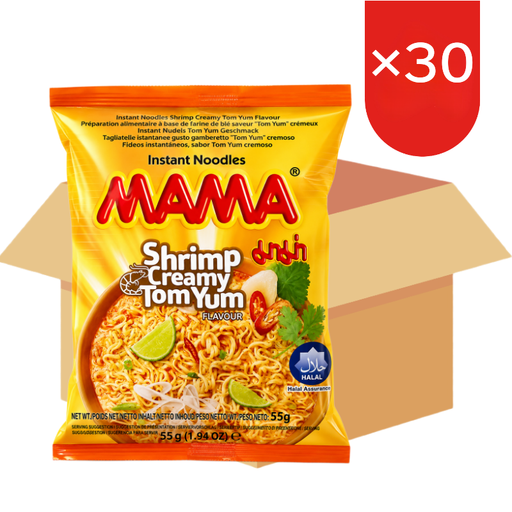
Why this fits the profile: A box of 30 individual portions is practical for families, offices, catering and Asian speciality shops that want to stock up.
The number of units and the weight per sachet are clear upfront. So you’re not paying for a large box with unexpectedly small individual packs.
30 x 55 g; creamy prawn flavour according to the product description; suitable for stock management and individual dispensing.
We’ve put together a full, up-to-date list of products that fully meet these strict selection criteria and comply with current European safety regulations.
The exact instructions are always on the packaging. In general, it works like this:
Be extra careful with boiling water and hot broth around children. Store unopened packs in a cool, dry place away from direct sunlight.
That depends on the portion and what you add. A sachet of 55 or 60 grams is usually better suited to a snack or light lunch. A portion of 90 to 108 grams is larger, but it remains a product you can supplement as you wish with vegetables, egg or extra protein.
Follow the best-before date on the packaging and store the product in a dry place at room temperature, unless the label states otherwise. Check that the packaging is intact before use. The actual date can vary per box.
MAMA varieties often emphasise Thai Tom Yum, chilli and prawn flavours. Indomie prawn noodles generally have a savoury, spicy taste and are available in different pack sizes. Other brands, such as Acecook, Uni-President, HaoHao and OMACHI, differ in portion, broth, preparation time and ingredients. So compare the label and net weight rather than just the brand name.
