
Vandaag of morgen in huis

Kwaliteit gegarandeerd

Welkomstaanbiedingen ontgrendelen: GRATIS bezorging | Tot 80% korting | Gratis 30 dagen JoyPlus-proefperiode
Download de app
Instant noodles are ideal for a quick meal at home, in the office or in a student room. However, Korean ramen, Chinese instant noodles and Japanese ramen can differ considerably in flavour, preparation and portion size. An eye-catching pack also does not always tell you exactly what you are buying.
Terms such as hot, spicy or chicken do not indicate a fixed scale. Korean ramen with chilli and garlic can taste very different from Thai prawn-flavour noodles with chilli paste. So check the ingredients and preparation method. With some products, you add all the sauce; with others, you can set some aside to make the flavour milder.
A multipack of noodles is practical for keeping in the cupboard, but always compare the total weight and number of portions. A box of 20 sachets may offer a lower price per portion, while a small five-pack is more convenient if you want to try a flavour first.
Also pay attention to the difference between sachets and cups. Cups are convenient in the office or on the go, but take up more space and may have a different price per 100 grams.
Beef-flavour noodles do not always contain the same types of ingredients. Check whether beef powder, flavourings, soya or other flavour enhancers have been used, for example. Prawn-flavour noodles may contain shellfish. Chicken noodles are not automatically vegetarian either.
If you have allergies, always check the current packaging. Product information on a website may change, and the manufacturer may alter the ingredients.
The products in this range vary from approximately 60 to 140 grams per pack. A 100-gram portion is common for many Japanese ramen and Chinese instant noodles. Some thicker Korean ramen weigh more and therefore provide a more substantial portion.
Also check:
Nutritional values are usually stated per 100 grams. This is useful for comparing products, but it does not always correspond to a complete portion. Therefore, check the net weight per sachet and the amount of salt per 100 grams.
The values in the available product information vary considerably. For example, Uni-President beef flavour lists 2.3 grams of salt per 100 grams, while some other varieties contain more than 5 grams per 100 grams. Use these figures as a point of comparison and check the current packaging before buying.
Many instant noodles contain wheat and soya. Depending on the flavour, they may also contain milk, egg, sesame, mustard, fish, peanuts or shellfish. If you are looking for vegetarian instant noodles, do not just look at the front of the pack: check the ingredients list and allergen information.
The same applies to halal instant noodles. A product title may state that a product is halal, but always check the certification or information on the packaging before use. The Bai Xiang product below is described as halal in the product name, but the current packaging remains the definitive source.
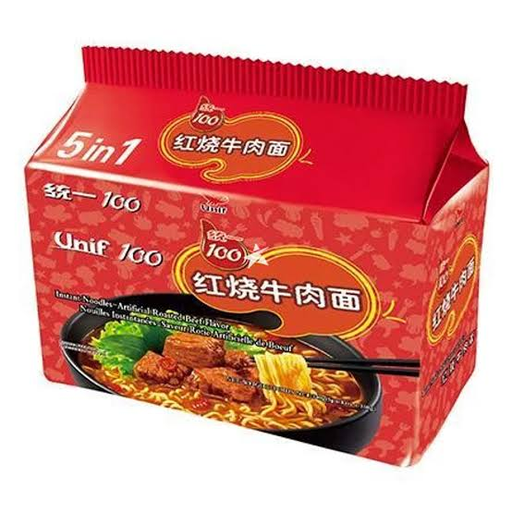
Why it suits this profile: A straightforward five-pack for trying Chinese instant noodles with beef flavour without buying a large box straight away.
The number of sachets and weight per sachet are clearly stated. According to the product information, preparation takes approximately 5 minutes.
Five 100-gram portions, with dried vegetables and a beef-flavoured broth.
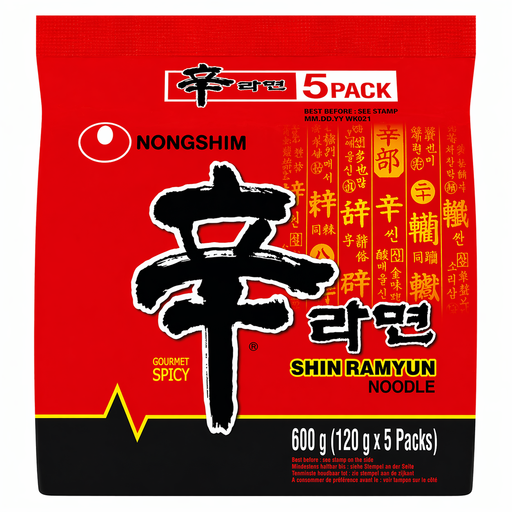
Why it suits this profile: For Korean ramen lovers looking for a seasoned broth, thicker noodles and a five-pack.
The ingredients, allergens and preparation instructions are specified. The heat comes from ingredients including red pepper, garlic and spices.
120 grams per pack, ready in approximately 4 to 5 minutes, with dried vegetables and mushrooms.

Why it suits this profile: A bulk pack for households, shared cupboards and regular spicy-noodle eaters.
The box contains 20 individual 120-gram portions, making it easy to count your supply and plan portions.
Ready in approximately 4 to 5 minutes and ideal for adding egg, vegetables or meat.
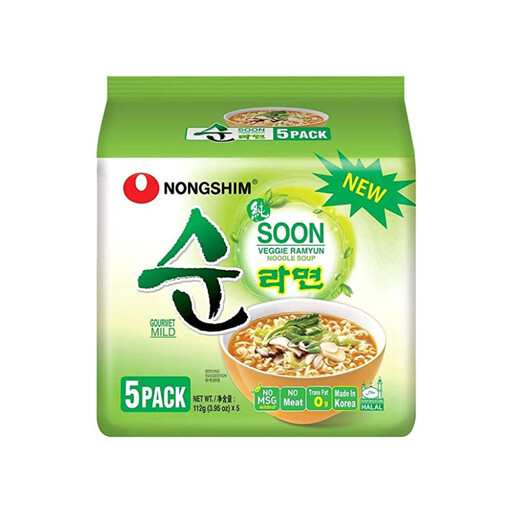
Why it suits this profile: A good choice for anyone avoiding meat products and looking for a Korean ramen variety with vegetables.
The product information does not list any meat products and identifies wheat and soya as allergens. Nevertheless, always check the packaging.
Five 112-gram sachets, with dried Chinese cabbage and carrot listed in the product information.
We have compiled a complete, up-to-date list of products that fully meet these strict selection criteria and the applicable European safety requirements.
Boil water according to the instructions on the packaging. Then add the noodles and seasonings. For many soup varieties, cook everything in a pan for 3 to 5 minutes. With dry Korean ramen, drain most of the water after cooking and mix the sauce through the noodles.
Check the best-before date on the packaging and store the sachets in a cool, dry place away from direct sunlight and moisture. Ideally, use an opened pack immediately, particularly if the seasoning or sauce sachets have already been opened.
It varies from product to product. Check the ingredients and allergen information on the packaging. A flavour name such as vegetable, chicken or beef does not, on its own, provide enough information about the ingredients. For halal instant noodles, a clear product description or certification is important; check this before buying and consuming the product.
