
Vandaag of morgen in huis

Kwaliteit gegarandeerd

Welkomstaanbiedingen ontgrendelen: GRATIS bezorging | Tot 80% korting | Gratis 30 dagen JoyPlus-proefperiode
Download de app
Instant noodles are handy at home, in the office, while studying or on the go. Yet the range often seems simpler than it really is. A packet with a large picture of the flavour tells you little about the portion size, preparation or ingredients. If you only look at the price or how spicy it is, you could end up with a product that doesn't suit your taste, kitchen equipment or dietary preferences.
A multipack may look appealing, but first check the weight per portion. A box of 12 pots weighing 105g each is mainly suitable for households, offices or heavy users. For someone who eats noodles only occasionally, individual portions or a pack of five can be more practical.
Also compare the preparation method. A product that only needs hot water can be more convenient than noodles that require a pan, colander and extra cooking time.
Spicy noodles can taste mainly of chilli, but they may also contain a combination of Sichuan pepper, vinegar, sesame, garlic or sweet soy sauce. So look at the sauce sachets and flavour description. With some stir-fried noodles, you add the chilli oil yourself, which means you can adjust the intensity more easily.
Also pay attention to brand claims. A description such as "authentic flavour" or "street food taste" is the brand's positioning, not objective proof that the product tastes identical to a dish from a particular region.
Asian instant noodles often contain wheat, soya and sesame. Some varieties also contain peanut, fish, shellfish, milk or celery. Always check the label on the packaging, especially if you have an allergy or intolerance. Product information can change.
The salt content also varies considerably. For example, Nissin RAOH Miso states 2,283mg of sodium per 100g. Indomie Mi Goreng Original states 2.0g of salt per 100g. These figures are not directly comparable if portion sizes differ, but they do help you make a more informed choice.
There are several types within the category:
Check whether the product needs to be cooked in boiling water, can be microwaved, or must first be boiled and then drained. A microwave-friendly variety is practical in the office, while a cooking variety offers more scope to add vegetables, egg or tofu.
A portion of 76 to 100g is usually intended as an individual quick meal or snack. Larger packs of 240 to 405g may contain extra ingredients, such as vegetables, several types of noodles or different sauce sachets.
For families and offices, a box with individual pots can be handy. Do check the storage space and take note of the best-before date. Store dry products in a cool, dry place away from direct sunlight, as stated on the label.
A product with separate sachets generally gives you more control over the final flavour. For example, you can use less chilli oil or add the vinegar separately. Also look to see if there are dried vegetables, sesame, peanuts or extra spices included.
The nutritional values and allergens below are based on the product information provided. Always check the current packaging before purchase and preparation.
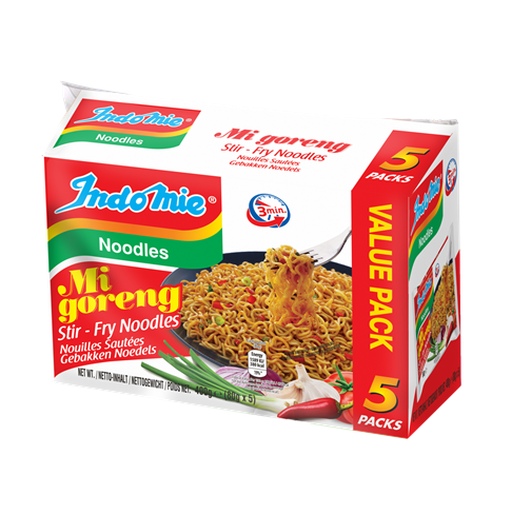
Why this fits the profile: The pack contains five 80g portions and is ideal for getting to know dry Indonesian mie goreng without buying in bulk straight away.
The portion size and contents are clearly stated. Preparation involves boiling, draining and mixing with oil, spices, sweet soy sauce and chilli.
Five individual portions; dry mie goreng without broth; contains wheat, soya and sesame.
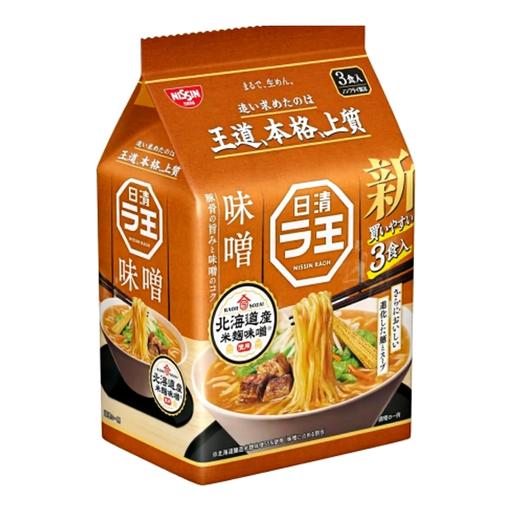
Why this fits the profile: This Japanese ramen variety is aimed at lovers of a deep miso base and wholegrain noodles, with three portions in one pack.
The product information states three portions, country of origin Japan and a clear allergen list. This allows you to compare flavour and origin more easily.
Miso flavour; wholegrain noodles according to the product description; contains wheat, egg, milk, sesame, soya, chicken and pork.
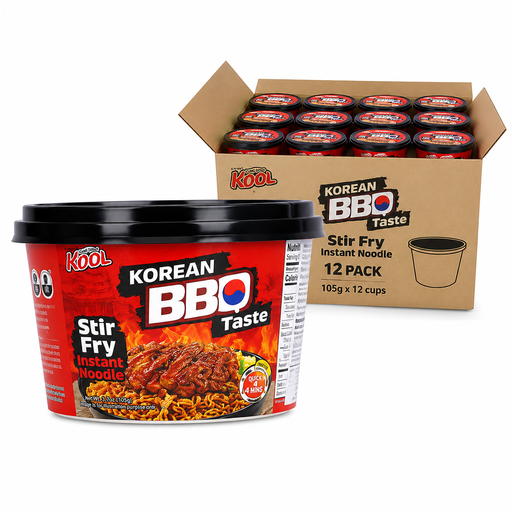
Why this fits the profile: The box of 12 pots is aimed at offices, families, student houses and consumers who want to keep a regular supply of ready-to-eat noodle meals.
The individual pot format makes portions and preparation clear. Simply add around 300ml of hot water and leave the noodles to stand for 2–3 minutes.
12 portions of 105g; suitable for hot water; Korean barbecue-inspired flavour according to the product description.
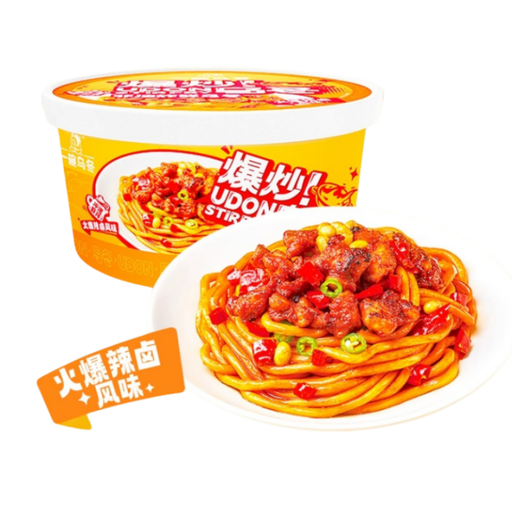
Why this fits the profile: The thick udon noodles and separate sauce, oil and sesame sachets suit those looking for more texture and control over stir-fried noodles.
The flavour doesn't rely on just one sachet: sauce, Sichuan pepper oil and sesame are packed separately. Preparation requires boiling and mixing.
240g per pack; chewy udon texture; separate flavour components; contains wheat, soya and sesame.
We've put together a full, up-to-date list of products that fully meet these strict selection criteria and comply with current European safety regulations.
Instant noodles are often easy to bulk out. For example, add frozen vegetables, pak choi, spring onion, tofu, a boiled egg or leftover chicken. With dry mie goreng, a small amount of cucumber or crispy fried onions works well. Only add extra sauce after tasting, especially with spicy noodles.
Always follow the instructions on the packaging for preparation. With microwave products, you need to check whether the packaging is microwave-safe. A heating pouch, such as with some self-heating meals, must not be used in the microwave or over an open flame.
Choose a product with a pot or microwave preparation. With some varieties, you add hot water and wait 2–3 minutes. Other products require a 700–800W microwave and a small amount of water. Always follow the instructions on the packaging and check whether the packaging is suitable for that preparation method.
Unopened instant noodles can generally be kept until the stated best-before date, provided they are stored in a cool, dry place away from direct sunlight. Check the packaging for damage and follow the manufacturer's instructions after opening. Prepared noodles should be eaten straight away.
That depends on the portion and the ingredients. Many products mainly provide noodles, sauce and spices. Add vegetables, egg, tofu or another source of protein if you want to make the meal more substantial. If you have allergies, always check the current ingredients list and allergen information.
