
Vandaag of morgen in huis

Kwaliteit gegarandeerd

Welkomstaanbiedingen ontgrendelen: GRATIS bezorging | Tot 80% korting | Gratis 30 dagen JoyPlus-proefperiode
Download de app
A pack of instant noodles might seem simple to choose: look at the flavour, pop it in your basket and you’re done. Yet there are clear differences in spiciness, portion size, preparation, allergens and salt content. This is especially true with Korean instant noodles, Chinese noodle soup and Thai varieties, where the packaging can tell a different story from the ingredients list.
So watch out for these common pitfalls before you buy instant noodles.
Words like “hot”, “spicy” or “fire chicken” indicate a product could be fiery, but they don’t tell you exactly how much sauce or chilli powder you’re getting. With dry spicy noodles, such as Samyang Buldak varieties, the flavour is often more concentrated because you drain the cooking water.
Want to start gently? Choose a mild miso or chicken flavour and only add part of the seasoning sachet. If you’re after seriously spicy noodles, look for products with a separate chilli sauce or chilli oil.
A multipack or box of twelve cups is handy for students, offices and families, but always check the net weight per portion. A 65g cup and a 140g sachet aren’t directly comparable. Also look at the preparation method: some products are eaten as a soup, while others are boiled first and then mixed without broth.
The flavour name doesn’t always mean a large amount of that ingredient is present. Check the ingredients list for things like chicken powder, beef flavouring, beef granules or prawn powder. If you have allergies, it’s important to read the full packaging. Product information online can change; the current labelling on the pack is what counts.
Noodle soup usually contains seasoning powder, dried vegetables and sometimes oil. You add water and eat the noodles with the broth. With dry instant ramen, such as some spicy Korean varieties, you cook the noodles and then mix them with a sauce. This gives a more intense flavour, but requires a bit more preparation.
For a quick lunch at the office, cups or noodle soup are practical. At home, dry noodles make it easier to add toppings like egg, spring onion, tofu or fresh vegetables.
Most Asian noodles are made from wheat flour and therefore contain gluten. MAMA Pho Ga uses rice as its main ingredient, but according to the product information also contains wheat protein and soya. Nongshim Instant Potato Noodle Soup lists 49% potato starch and wheat flour in its ingredients.
If you have a food allergy, always check the allergen declaration. Many products contain soya, sesame or wheat. Some listings also mention possible traces of egg, fish, milk, shellfish or nuts.
Instant noodles are designed as a convenience product. However, the nutritional values vary by recipe and format. For example, Hikari Miso Restaurant Style Ramen states 10.9g of salt per 100g, while other products give a different amount. So use the table on the pack and compare products on the same basis, ideally per portion and per 100g.
An easy way to round out the meal is to use less of the seasoning powder and add extra vegetables or an egg. That changes the flavour and composition of the meal, but doesn’t automatically make it a fully balanced one.
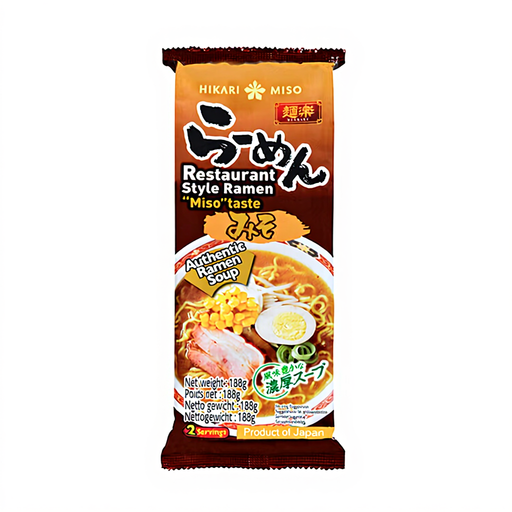
Why this fits the profile: The 188g pack is suitable for sharing at home or preparing multiple portions. The miso flavour suits anyone wanting to try ramen without jumping straight into a very spicy option.
The product information states the size, miso flavour and allergens such as gluten, soya and sesame. This means you can check the taste and suitability in advance.
Miso as a recognisable flavour base; 15.5g protein per 100g according to the stated nutritional information.
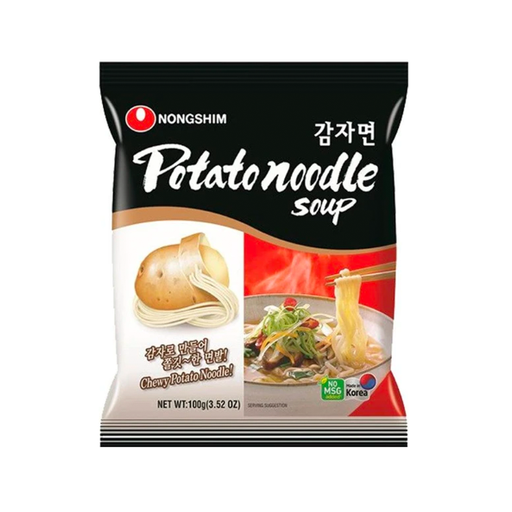
Why this fits the profile: These Korean instant noodles use potato starch as a key ingredient, according to the product description. The soup also contains dried cabbage and Chinese leaf.
The ingredients and allergens are available: the product contains wheat and soya, among other things. So you don’t have to rely on the flavour name alone.
100g per pack; potato starch noodles; vegetable flakes for extra texture.
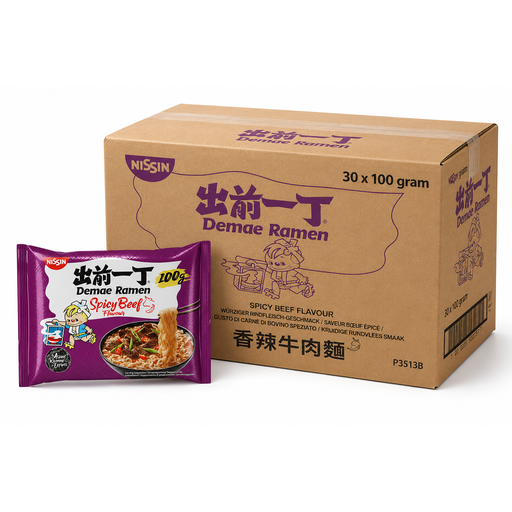
Why this fits the profile: The box contains 30 packs of 100g each. That’s practical for stocking up in a student house, office or family that regularly wants a quick noodle soup.
The preparation is clear: add boiling water, use the seasoning powder and oil, and leave to stand for three minutes. The portion size is visible per sachet.
30 x 100g; separate seasoning and oil; preparation time of three minutes according to the product information.
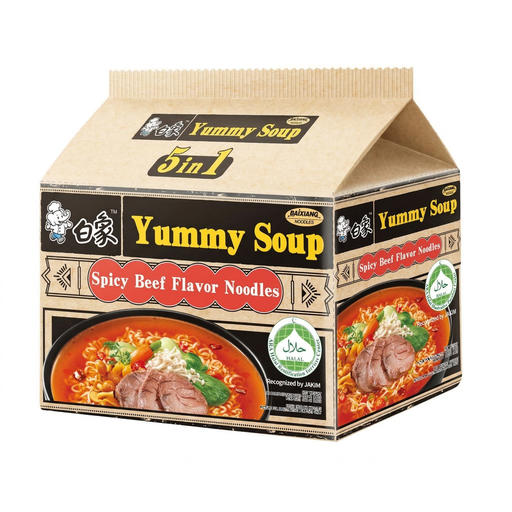
Why this fits the profile: The product title and information state halal-certified spicy beef soup, packed as five 96g portions.
The listed ingredients mention beef granules and the allergens wheat and soya. Do check the current halal logo and label on the pack before purchasing.
Five individual portions; spicy beef flavour; preparation instructions with three to four minutes steeping.
We’ve put together a full, up-to-date list of products that fully meet these strict selection criteria and comply with current European safety regulations.
Always follow the preparation instructions on the label. With noodle soup, you usually add boiling water and leave the noodles to stand for a few minutes. Dry Korean ramen is often boiled, drained and then mixed with sauce. Add toppings only at the end so they don’t go too soft.
Store unopened packs in a cool, dry place away from direct sunlight. Check the best-before date on the pack and don’t use a product if the sachet, cup or seal is damaged.
Ramen originally refers to a Japanese noodle dish, but online it’s also used for various instant noodles from Japan, Korea and other Asian countries. The difference mainly lies in the recipe, broth, noodle type and preparation method.
Miso, chicken and mild vegetable varieties are usually an accessible starting point. If you want to avoid spiciness, try using half the amount of seasoning or sauce first. Also check the allergens, especially with products containing wheat, soya, milk or sesame.
Check the date and storage instructions on the pack. Keep the products dry, cool and out of direct sunlight. Once opened, it’s best to use the seasoning sachets and noodles straight away to maintain quality and flavour.
