
Vandaag of morgen in huis

Kwaliteit gegarandeerd

Welkomstaanbiedingen ontgrendelen: GRATIS bezorging | Tot 80% korting | Gratis 30 dagen JoyPlus-proefperiode
Download de app
Instant noodles are handy when you need a quick meal at home, in the office or on the go. But products can vary considerably. One pack may contain a single portion, while another is a box for a family or commercial kitchen. Preparation methods, flavour intensity and allergen information can also differ widely.
As a Joybuy Product Recommendation Officer, I look beyond the flavour claims on the front of the pack. The product description, ingredients list, portion size and preparation instructions often give you more useful information than marketing terms such as “restaurant style” or “authentic taste”.
An 800g pack of udon isn’t a ready-made meal for one person. Obento Udon noodle 800g is intended for several meals, while a cup such as NongShim Big Bowl Tempura Udon Soup 111g can be prepared as an individual meal.
When buying instant noodles, check:
A multipack may work out cheaper per portion, but it’s less practical if you only eat noodle soup occasionally.
Some products are sold as halal, while other noodles may contain beef, chicken, fish or pork ingredients. Always check the product listing and the label. Also look out for ingredients such as fish extract, prawns, gelatine, pork extract and flavourings containing alcohol.
Halal appears in the product name of Halal Food Bai Xiang Beef Noodle Soup. When it arrives, check the current packaging and certification information too, especially if you follow religious dietary requirements.
Korean noodles and some Chinese noodles often contain chilli, garlic, chilli oil or a concentrated seasoning base. The packaging may say “spicy”, “hot & sour” or “jjigae”. This gives you an idea of the flavour profile, but the intensity varies from one recipe to another.
If you’d rather start with something mild, try a chicken or udon broth. If you love spicy noodles, look for products with a separate sachet of chilli oil. This makes it easier to adjust the amount to your taste.
Most ramen, Japanese noodles and Korean noodles contain wheat and gluten. Seasoning mixes also commonly include soya, sesame, egg, milk, fish and crustaceans.
For example:
Read the full allergen information on both the product page and the packaging. Recipes can change.
Not all instant noodles are ready to eat after you add hot water.
Check whether you’ll need a kettle, pan or microwave. Some products require you to add all the sachets at once; with others, you can adjust the oil or chilli to taste.
A 200g pack is often a manageable choice for one or two meals. According to the product information, Fu Xing FX Udon Noodle 200g is suitable for one to two portions. A multipack may make more sense for a family, office or catering business.
Also check the storage instructions:
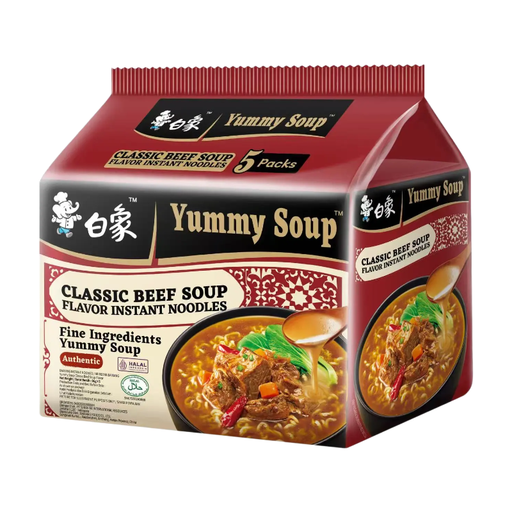
Why it suits this profile: The pack contains five individual portions, making it a good choice if you want to keep several quick meals at home.
The five-pack makes the total quantity clear. The product listing also identifies it as halal, but it’s still wise to check the current label.
Five 96g portions, beef flavour and preparation with approximately 500 ml of boiling water.
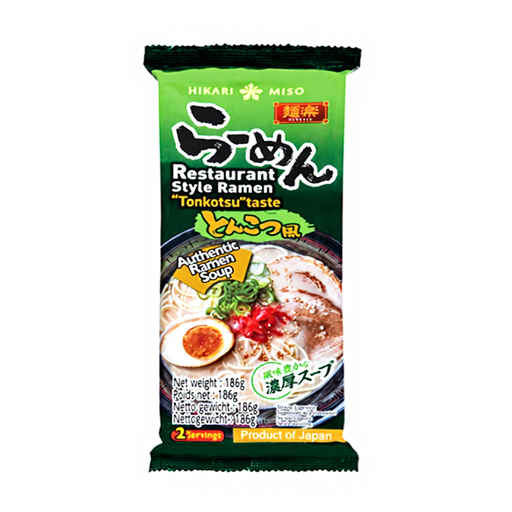
Why it suits this profile: This Japanese ramen combines miso with tonkotsu-style flavour, making it a good choice if you’re after a richer broth.
The product information clearly states the flavour base and allergens, including wheat and soya. The product name doesn’t suggest that the broth is vegetarian.
Japanese origin, miso and tonkotsu flavour, and a product weight of 186g.
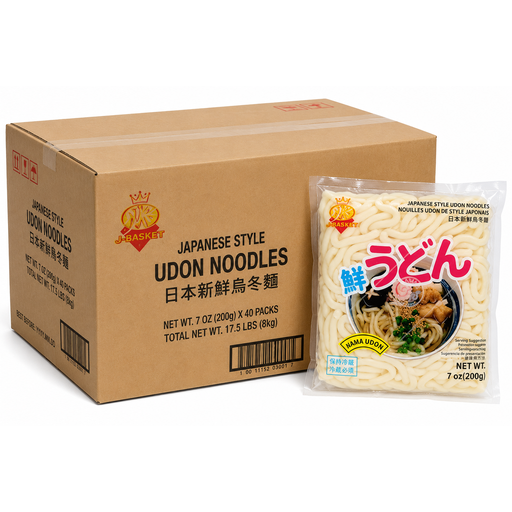
Why it suits this profile: This box of 30 individually wrapped portions is designed for restaurants, catering, large families and frequent use.
The number of packs and weight per portion are clearly stated. This helps you estimate stock requirements and the cost per meal in advance.
30 portions of 200g, fresh nama udon, and suitable for soup, stir-fries and cold noodle salads.
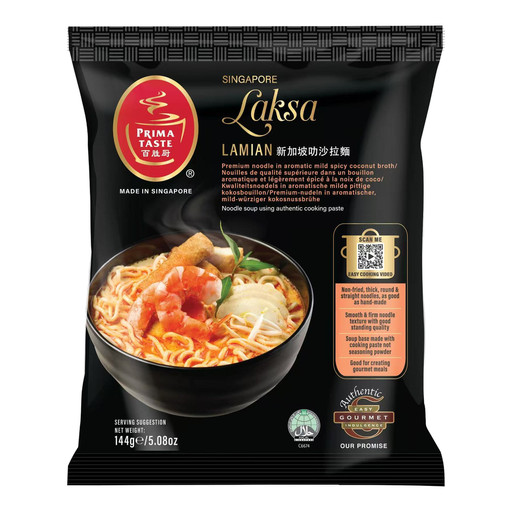
Why it suits this profile: This laksa offers a different flavour profile from ramen or Chinese noodle soup, with chilli, galangal and dried prawns.
The ingredients make it clear that the product contains crustaceans. This means fans of Thai or South-East Asian flavours don’t have to rely on the product image alone.
144g, chewy wheat noodles and a laksa sauce featuring chilli, galangal and turmeric.
We’ve put together a complete, up-to-date list of products that meet these strict selection criteria and current European safety regulations.
Always follow the instructions on the packaging. Often, you’ll add boiling water and leave the noodles to stand for 3 to 5 minutes. Other types, such as fresh udon or semi-dried noodles, need to be boiled briefly first. Use the stated amount of water to get the right balance of noodles and broth.
Dried instant noodles will generally keep until the date on the packaging if stored in a cool, dry place away from direct sunlight. Check the packaging before use and eat an opened portion straight away. Fresh noodles may have different storage requirements.
It depends on the product. Some products are sold as halal, but others may contain fish, crustaceans, pork extract or unspecified flavourings. Check the halal information, ingredients list and current packaging before you order.
