
Vandaag of morgen in huis

Kwaliteit gegarandeerd

Welkomstaanbiedingen ontgrendelen: GRATIS bezorging | Tot 80% korting | Gratis 30 dagen JoyPlus-proefperiode
Download de app
Instant noodles are handy for a quick meal, a student lunch, a late-night snack, or stocking up for busy days. But not every pack is right for your situation. A cup is practical on the go, while dry stir-fry noodles often need a pan and draining. Portion sizes, salt content and allergens can also vary a lot.
As a Joybuy Product Recommendation Officer, I focus on the information you can check: weight, preparation method, ingredients, nutritional values and packaging. That way, you avoid letting an appealing flavour name matter more than what’s actually in the product.
A box with several sachets might look like good value, but always check the weight per serving. A 60 to 80 gram sachet is very different from a 105 or 130 gram meal. With a bulk pack, the price per serving is more useful than just the total price.
Also look out for the difference between a snack and a full meal. A serving of noodles is often mostly carbohydrates and seasonings. If you want something more filling, you can add egg, tofu, vegetables or chicken, for example.
Words like Korean BBQ, teriyaki, beef, carbonara or hot chicken mainly describe the intended flavour direction. They don’t automatically tell you how spicy, salty or filling the noodles are.
With spicy noodles, it’s wise to add only part of the sauce or seasoning mix at first. With beef-flavour products, the ingredients list might mention beef extract, beef fat, flavourings or just seasonings. Check this before you expect a specific composition.
Noodles in a cup are usually designed for hot water and a few minutes’ waiting. Other instant ramen need to be boiled first and then drained. Stir-fry noodles and Indonesian noodles like Mi Goreng are often eaten without broth.
So check:
A serving of 60 to 80 grams is practical as a snack or light lunch. Products of 100 to 130 grams are usually more suitable when you want one sachet as a main meal. An udon noodle bowl of 240 grams also contains a different amount of product than a classic sachet of ramen; so don’t just compare the brand name or flavour.
The noodle type determines the texture and preparation method:
Always check the allergen information. Many products contain wheat, gluten, soya, milk or sesame. Some varieties may also contain celery, fish, egg, peanuts or shellfish.
The salt content also deserves attention. Based on the product information provided, Nissin Soba Cup Classic contains 4.1 grams of salt per 90 grams, while Indomie Mi Goreng lists 2.3 grams of salt per 100 grams. These values aren’t directly comparable when the serving size or preparation method differs, but they do show why the label matters.
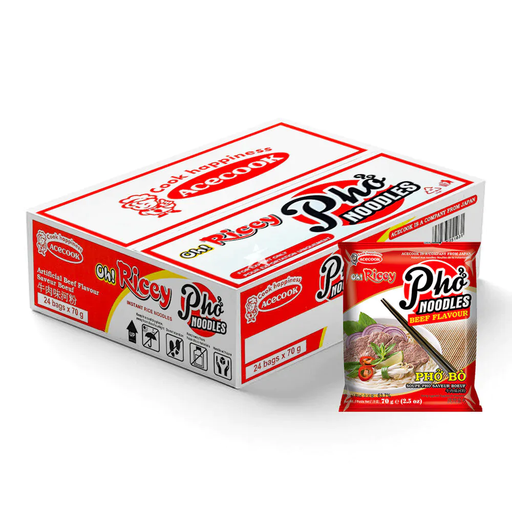
Why this fits the profile: This bulk pack contains 24 servings of 70 grams each. That makes it easy to work out the price per serving and stock up for study, the office or home.
The individual weight is clearly stated. The preparation method requires hot water and 3 to 4 minutes’ waiting, with no complicated pan cooking.
Rice noodles, beef flavour and a pack of 24 x 70 grams. Contains soya; check the label if you have allergies.
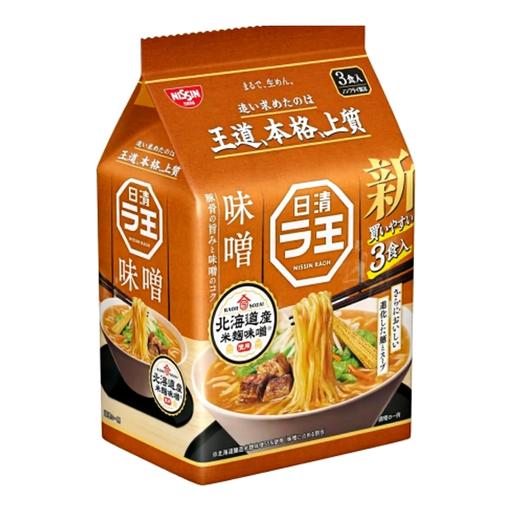
Why this fits the profile: The pack contains three servings and is designed for those who want a Japanese noodle meal with a more complex miso profile, rather than just a quick snack.
The product information states the number of servings, the country of origin (Japan) and the ingredients of the miso base. This means you can assess the flavour and composition more easily beforehand.
297 grams split over three servings, with miso, vegetable flavourings and wholewheat noodles. Contains, among other things, wheat, egg, milk, sesame, soya, chicken and pork.
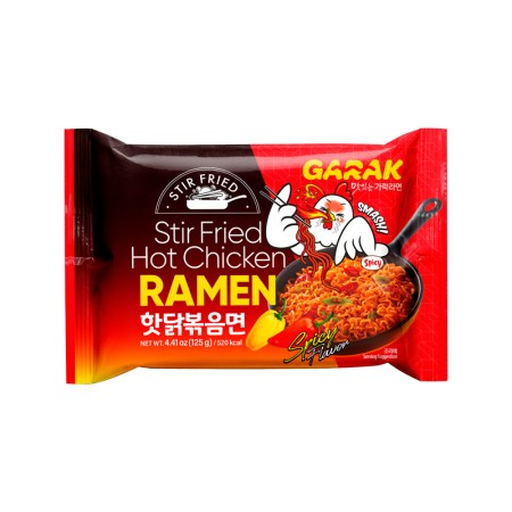
Why this fits the profile: Aimed at fans of Korean noodles and a distinctly spicy flavour. The noodles are boiled, drained and briefly stir-fried with sauce.
The instructions clearly state 4 to 5 minutes’ boiling, draining and about 30 seconds of stir-frying. The product information also warns that the flavour is spicy.
A 130 gram serving, chewy ramen and a sauce that, according to the product description, clings well to the noodles. Extra egg, cheese or vegetables are possible.
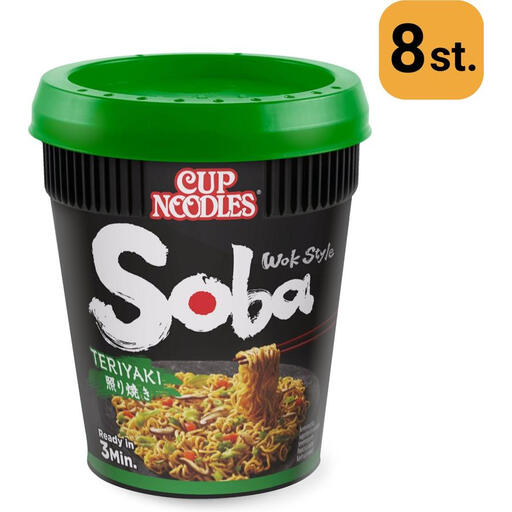
Why this fits the profile: A box of eight cups is practical for the office, a student room or stocking up. The cup is designed for preparation with boiling water and has an opening for draining.
The preparation steps are specific: water to the line, 3 minutes’ waiting and careful draining. This means the cup doesn’t rely on having a hob.
Teriyaki sauce, dried vegetables and a pack of 8 x 90 grams. Contains wheat, soya and celery; also check the possible traces statement.
We’ve put together a full, up-to-date list of products that fully meet these strict selection criteria and comply with current European safety regulations.
Choose a cup or product that explicitly says only boiling water is needed. Fill to the indicated line, close the packaging and wait the stated time. With some soba cups, you then need to drain the water. Don’t use lukewarm water: the noodles may not heat through properly.
The best-before information is on the packaging. Store dry noodles in a cool, dry place away from direct sunlight. Don’t use a pack if it’s damaged, bloated or leaking. Once opened, seasoning sachets and noodles can absorb moisture, so it’s best to prepare them straight away.
That depends on the portion size and your needs. A serving of noodles can be a quick base, but it doesn’t always contain many vegetables or protein. Add vegetables, egg, tofu or another protein source as you like. If you have allergies, always check the full ingredients list and the current information on the packaging.
