
Vandaag of morgen in huis

Kwaliteit gegarandeerd

Welkomstaanbiedingen ontgrendelen: GRATIS bezorging | Tot 80% korting | Gratis 30 dagen JoyPlus-proefperiode
Download de app
Instant noodles are handy for a quick meal, late-night snack or store cupboard. However, Asian instant noodles vary considerably in flavour, size, preparation method and ingredients. A cheap multipack is not automatically good value if you dislike the flavour, find the portions too small or overlook allergens.
This practical guide helps you compare Korean noodles, Japanese ramen, Indomie Mi Goreng, spicy noodles and soup-free noodles using verifiable product information.
Packaging may use words such as “hot”, “chilli” or “volcano”, but these do not represent a standard scale. One spicy noodle product may use chilli in a sauce, while another mainly has a seasoned flavour. If you are not used to very spicy food, it is therefore better to start with a product where the sauce is added separately. This allows you to adjust the amount.
Noodle cups are practical for work, school or eating on the go, but an individual pack often contains fewer noodles than a multipack. Always check the net weight per portion, not just the number of packs. A box containing eight 90- or 92-gram cups is composed differently from a bag containing five 130-gram portions.
Before checking out, always check the ingredients list, allergens and nutritional values on the label. Online information may be incomplete, and different variants within the same brand may contain different ingredients. Pay particular attention to wheat, gluten, soya, sesame, milk, egg, fish and shellfish. If you have allergies, the packaging takes precedence.
Instant ramen is often eaten with broth, while soup-free noodles are drained after cooking and mixed with sauce or seasoning. For Paldo Volcano Chicken and Paldo Bibimmen, for example, the preparation method is to cook the noodles in approximately 550 ml of water, leave them for 3 to 4 minutes, rinse them in cold water and then mix them with the sauce.
Nissin Soba Classic Cup works differently: add boiling water up to the indicated line and wait approximately 3 minutes. Conimex Wok Noodles are not classic instant ramen, but are intended as a base for a stir-fry dish and, according to the product information, are ready in 2 minutes.
For a quick meal for one, packs of approximately 70 to 100 grams are practical. Larger bags and boxes are more appealing when several people are eating or when you use instant noodles regularly. Compare the price per 100 grams, as five small packets are not always better value than one larger pack.
Check the table for both 100 grams and per portion. Some product pages use different references, making the figures difficult to compare. Also pay attention to the sauce sachets: with soup-free noodles, the flavour is often determined by oil, soya sauce, sugar, chilli and seasoning.
A product containing buckwheat, such as certain Japanese soba noodles, often contains wheat as well as buckwheat. That does not automatically make it gluten-free. Always check the allergen information and possible traces on the packaging.
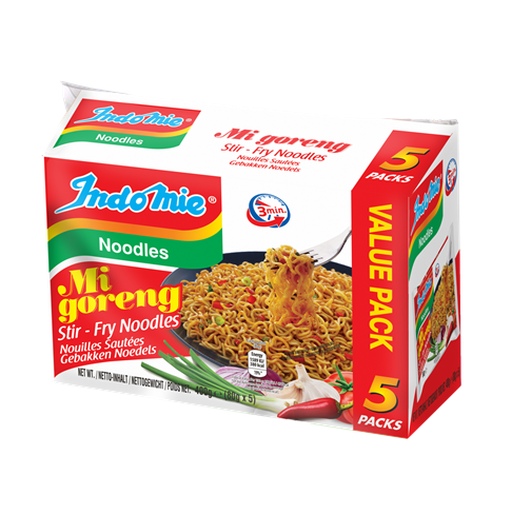
Why it suits this profile: A pack containing 5 x 80 grams is a straightforward choice for anyone trying soup-free noodles for the first time and wanting several portions in the cupboard.
The portion size and contents are clearly stated. The flavour comes from separate oil, seasoning, sweet soya sauce and chilli, allowing you to control the amount.
5 x 80 grams, prepared as dry noodles and supplied with several flavour components.
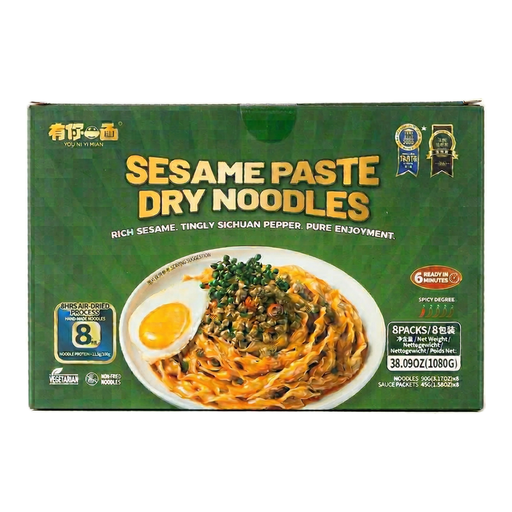
Why it suits this profile: Ideal for fans of wide noodles and a distinctive Sichuan-style flavour with pepper and chilli.
The pack contains 8 bags weighing 1080 grams in total. The product information explicitly lists wheat, soya and sesame as allergens.
Large multipack, wide noodles and a sauce with Sichuan pepper, chilli, sesame and soya sauce.
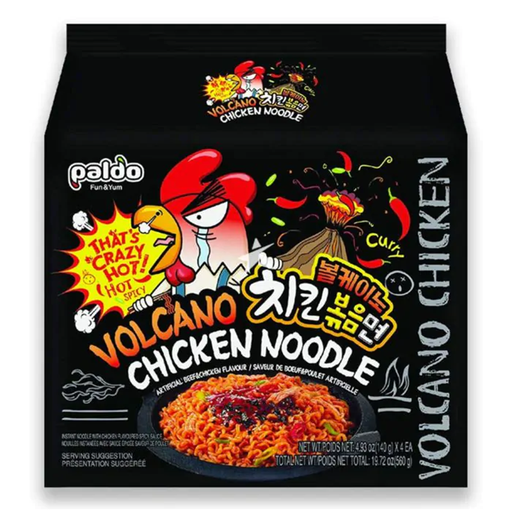
Why it suits this profile: For anyone looking for a larger portion and a distinctly spicy, sweetly seasoned dry noodle.
The preparation instructions specify a cooking time of 3 to 4 minutes, rinsing in cold water and then mixing. The sauce can be added to taste.
4 x 140 grams and soup-free preparation with a sweet and spicy sauce.
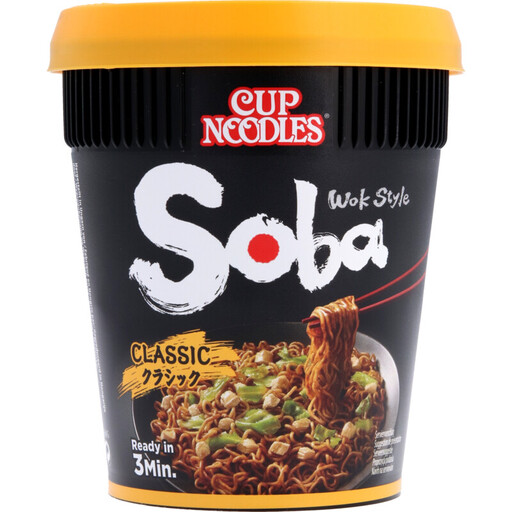
Why it suits this profile: A noodle cup is convenient when you only need boiling water and a few minutes, for example in the office.
The product information clearly states that the noodles are not eaten as soup and are ready in approximately 3 minutes.
90 grams per cup, yakisoba sauce and a preparation time of approximately 3 minutes.
We have compiled a complete, up-to-date list of products that fully meet these strict selection criteria and the applicable European safety regulations.
Not always. Many noodle cups and packets are ready in approximately 3 to 4 minutes, but stir-fry noodles may require a different preparation method. Check the instructions on the packaging and use the specified amount of water.
Ramen is usually served with broth. Soup-free noodles are drained after cooking and mixed with sauce, oil or seasoning. Indomie Mi Goreng and Paldo Bibimmen are examples of this preparation method.
Check the best-before date on the packaging and store the products in a cool, dry place away from direct sunlight. Do not use a pack if it is damaged. Once opened, the quality is best maintained when the packaging is properly sealed.
