
Vandaag of morgen in huis

Kwaliteit gegarandeerd

Welkomstaanbiedingen ontgrendelen: GRATIS bezorging | Tot 80% korting | Gratis 30 dagen JoyPlus-proefperiode
Download de app
Looking to buy instant ramen for a quick meal, your store cupboard or your student room? The choice might seem simple, but products vary considerably in flavour, portion size, preparation and ingredients. A spicy packet doesn’t automatically mean the noodles will suit your tastes. A large box might look like good value, too, but you could end up with a flavour you don’t want to eat again after one serving.
These tips will help you choose more confidently from Japanese ramen, Korean ramen and other Asian noodles.
Terms such as spicy, tonkotsu, kimchi and miso give you an idea of what to expect, but they don’t tell you everything about the final flavour. Check the ingredients, too. Some products get most of their heat from chilli powder or paste, while other ramen puts more emphasis on garlic, soy, sesame or citrus.
Tonkotsu-style flavours can also contain different ingredients. For example, Higashimaru makes a spicy tonkotsu-style ramen with garlic, sesame and red chilli. Marutai’s Japanese tonkotsu variant, on the other hand, includes a separate seasoning oil with garlic and sesame.
A ramen multipack is handy for households, offices and Korean ramen fans, but always compare the number of servings and the weight. Nongshim Kimchi, for example, is available in 5 x 120-gram packs, as well as in a box of 20 x 137-gram packs for certain variants. A larger box needs more storage space and is only practical if you eat that flavour regularly.
Also check the best-before date on the packaging. Store dry instant noodles in a cool, dry place away from direct sunlight.
Many instant noodles contain wheat and gluten. Depending on the variant, they may also contain soy, sesame, fish, shellfish, mustard, milk or nuts. Information can vary between recipes and packaging, so always read the current label before buying or preparing the product.
Salt content is worth checking, too. The figures in product information vary, ranging from 3.8 grams to more than 7 grams of salt per 100 grams. Use the nutrition table to compare products, rather than relying on the flavour description alone.
First, decide whether you need a packet, cup or multipack. A cup, such as Bai Xiang Yummy Soup Mutton Flavour, is designed to be made with boiling water and left to stand for 3 to 5 minutes. It’s a convenient choice for the office, travelling or a small kitchen.
Other Japanese ramen varieties need to be cooked in a pan. According to the product information, Marutai Hakata is prepared with 450 ml of boiling water and takes around 3 minutes to cook. Nongshim Kimchi uses 550 ml of water and takes 4 to 5 minutes to prepare. If speed is your priority, it’s worth checking these differences before you buy.
Check how many sachets are included and when to add them. With some ramen, you add the powder while the noodles are cooking. With other varieties, the soup base and seasoning oil go into the bowl after cooking. This affects both the flavour and the washing-up.
Examples of flavour styles:
If you’re looking for ramen from Japan and Korea, check the stated country of origin. The origin doesn’t automatically mean you’ll like the flavour, but it can help you compare products. Also check the language used on the product information, the EU-responsible party and the preparation instructions.
Product information on a webshop can change. Use the online details as a guide, and always check the packaging, allergens and warnings before eating.
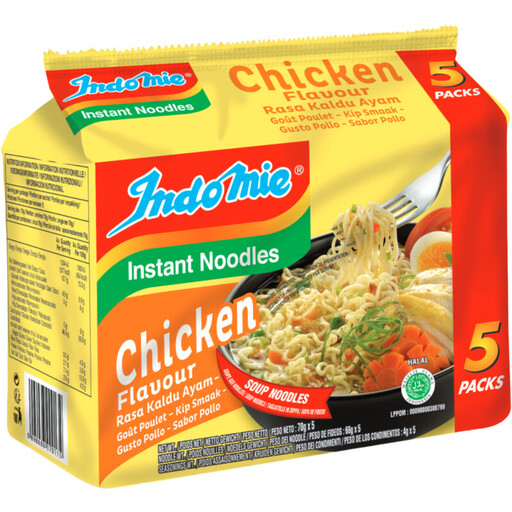
Why it suits this type of shopper: A compact pack with five servings, ideal if you want to try a straightforward flavour before stocking up.
The number of packs and the weight are clearly stated, so you don’t have to rely on the packaging or flavour name alone.
Five 70-gram servings; easy to prepare for a quick meal; ingredient information lists wheat/gluten.
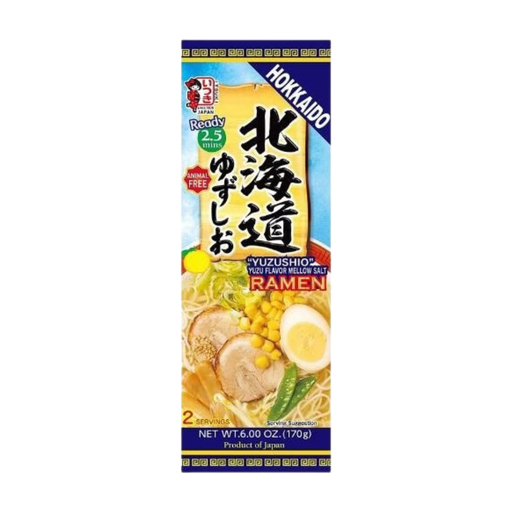
Why it suits this type of shopper: A great choice for fans of lighter ramen with a distinctive yuzu and salt broth from Japan.
The flavour profile and origin are clearly described. The product name says Animal-Free; always check the full, current ingredients list to make sure it suits your needs.
170 grams, with two servings; made in Japan according to the product information; contains wheat and soy.
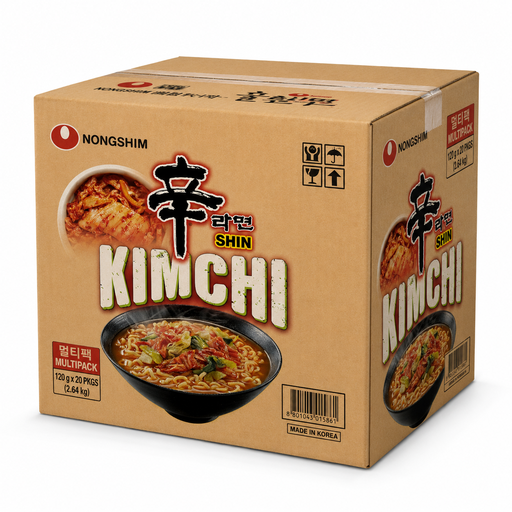
Why it suits this type of shopper: A large stock-up option for households, student houses or offices where spicy Korean ramen is a regular favourite.
The multipack contains 20 individual servings, making it easier to estimate how much you’ll be buying and how much storage space you’ll need.
20 servings of 120 grams; kimchi and vegetable flakes; preparation instructions specify 550 ml of water and 4 to 5 minutes of cooking.
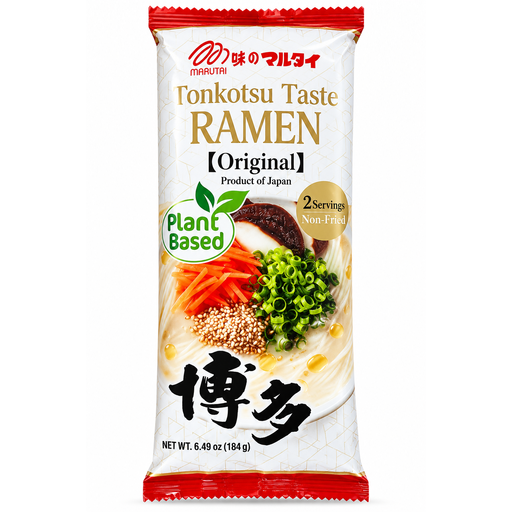
Why it suits this type of shopper: Ideal if you’re happy to use a pan and want a tonkotsu-style ramen with a separate soup base and seasoning oil.
The instructions specify 450 ml of water, 3 minutes of cooking and adding the flavourings after cooking.
184 grams, with two servings; country of origin: Japan; contains wheat, soy and sesame.
We’ve put together a complete, up-to-date list of products that meet these strict selection criteria and the applicable European safety requirements.
The best-before date is printed on the packaging. Store unopened instant noodles in a cool, dry place away from direct sunlight. After buying, check that the packaging is undamaged, too. If in doubt, follow the manufacturer’s guidance and always use the current packaging as your reference.
No. The label spicy indicates that chilli or other spices are included, but the heat level varies by recipe. Kimchi ramen, for example, often combines tangy flavours, vegetables and chilli, while spicy tonkotsu-style ramen may also contain garlic and sesame. If you’re unsure, start with some of the seasoning powder and adjust the flavour to suit you.
Instant ramen is mainly intended as a quick meal or snack. You can add ingredients such as egg, tofu, spring onion, pak choi or mushrooms. Just make sure to check the preparation instructions and allergens for both the noodles and any extra ingredients. This helps you tailor the portion, flavour and ingredients to suit your needs.
