
Vandaag of morgen in huis

Kwaliteit gegarandeerd

Welkomstaanbiedingen ontgrendelen: GRATIS bezorging | Tot 80% korting | Gratis 30 dagen JoyPlus-proefperiode
Download de app
A pack of instant noodles might seem like a simple purchase: just add hot water and you’re ready to eat. Yet Korean ramen, Chinese wok noodles, Thai noodle soup and spicy noodles differ greatly in preparation, portion size and ingredients. If you only look at the front of the packaging, you could end up with a product that’s too salty, far too spicy, or not suited to the way you want to prepare it.
Terms like “extra spicy”, “creamy” or “authentic taste” mainly describe the flavour profile. They don’t automatically tell you how much salt, fat or allergens are in a serving. So always check the nutritional information table and the ingredients list. Some products have a salt content of around 4 to 6 grams per 100 grams, while other varieties are noticeably lower.
With instant ramen, you usually add water and eat the noodles with the broth. With dry varieties, you need to drain the water before adding the sauce. Buldak Carbonara, Chapagetti, Chengdu cold noodles and Sichuan noodles are examples where the sauce and noodles are mixed together. Getting the preparation wrong affects the texture and makes the meal unnecessarily watery.
An instant noodles multipack or bulk pack is handy for students, families and keeping a well-stocked cupboard. But first check the best-before date, storage instructions and portion size. A box of twenty packets is less practical if you haven’t tried the flavour yet. For a first purchase, a pack of four, five or six is often a wiser choice.
Pay attention to the preparation method:
The stated time varies. Nongshim Shin Ramyun recommends around 4 to 5 minutes, while A’KUAN Broad Noodle Sesame Paste Flavor requires around 4 to 5 minutes of soaking. It’s best to follow the instructions on the packaging.
A 60-gram packet is suitable as a light snack, whereas packs of 120 to 140 grams generally make a larger meal. A box of 20 is practical for regular use, but takes up more space and commits you to one flavour.
So compare the price per 100 grams rather than just the price of the box. Also check whether a multipack contains individual packets, cups or larger portions.
Many Asian instant noodles contain wheat, gluten and soya. Depending on the flavour, milk, sesame, peanuts, fish, shellfish, egg, celery or mustard may also be present. For example, Buldak Carbonara lists gluten, soya, milk and celery. MAMA Shrimp Flavor mentions gluten, soya, milk and shellfish among its ingredients.
Always read the current label. Product packaging may contain more or different information than an online product page. Also look out for:
The terms “vegetarian” or “vegan” should also be checked on the packaging. The product information for NongShim Instant Vegetable Noodles states a vegan certification, whereas other products with vegetable flakes may still contain animal ingredients or allergens.
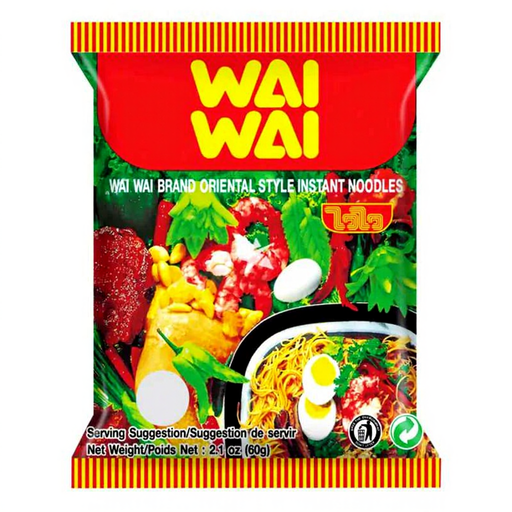
Why this fits the profile: The single 60-gram pack is a low-risk way to try Asian instant noodles without committing to a large multipack straight away.
The small portion limits the risk of buying a large stock of a flavour that doesn’t suit you. Preparation information and allergens are listed on the product page and packaging.
Compact size, quick preparation and a stated nutritional value of 483 kcal per 100 grams.
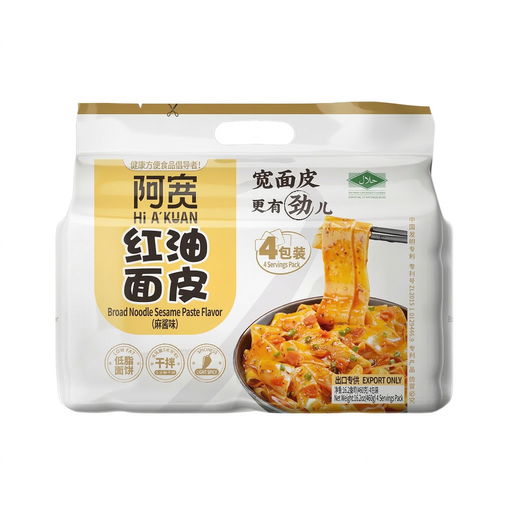
Why this fits the profile: The wide, non-fried noodle sheets and sesame paste offer a different texture and preparation method compared to standard noodle soup.
The instructions clearly state: soak in around 500 ml of boiling water, drain, then mix with the sauce, seasoning and chilli oil.
460 grams net weight, individually wrapped portions and a stated wide, firm noodle texture.
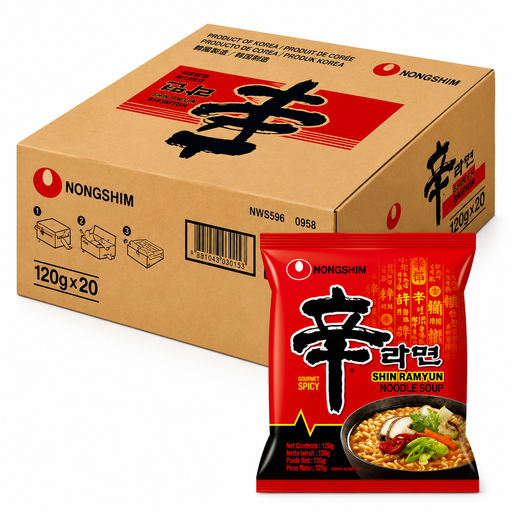
Why this fits the profile: This bulk pack is designed for households, shared kitchens and fans of a consistent Korean ramen flavour.
The box contains twenty servings, so you can compare the price per serving in advance. The product information states a preparation time of around 4 to 5 minutes.
20 packets of 120 grams, generous supply and clear instructions using around 500 ml of water.
We’ve put together a full, up-to-date list of products that fully meet these strict selection criteria and comply with current European safety regulations.
Follow the instructions on the packaging. For noodle soup, you usually cook the noodles for a few minutes in hot water with the seasoning powder. For dry noodles, you drain the water and then mix in the sauce. Where possible, use the stated amount of water, as this affects the flavour and the salt content per serving.
The best-before date is printed on the packaging. Store unopened instant noodles in a dry, cool place away from direct sunlight. Check the packaging for any damage and use an opened portion immediately after preparation.
This varies from product to product. Some varieties contain only plant-based ingredients, while other seasoning mixes may contain fish, shellfish, chicken flavouring, milk or other animal-derived components. So always check the full ingredients list and any certification on the packaging.
