
Vandaag of morgen in huis

Kwaliteit gegarandeerd

Welkomstaanbiedingen ontgrendelen: GRATIS bezorging | Tot 80% korting | Gratis 30 dagen JoyPlus-proefperiode
Download de app
Instant noodles are handy for a quick lunch, a late-night snack or a simple meal. But Asian instant noodles vary a lot in portion size, preparation, spiciness, salt content and allergens. A flashy pack or a claim like “authentic flavour” doesn’t automatically tell you whether the product suits your needs.
As a Joybuy Product Recommendation Officer, I therefore focus on the verifiable information on the product page and packaging. That way, you avoid buying a multipack where the flavour disappoints, the portion is too small or the ingredients don’t fit your diet.
With many instant noodles, the cooking time only starts once the water is boiling. Some varieties are prepared in the bowl, while others need to be drained first and then mixed with sauce. For example, Paldo Jjajangmen requires an extra step: after boiling for 3 to 4 minutes, the noodles are rinsed and mixed with sauce.
So check whether you’re buying a soup variety, dry stir-fry noodles or cup noodles. That makes a difference in washing up, water usage and texture.
An instant noodle multipack is practical for students, families and fans of a fixed flavour. But always compare the total weight and number of portions. A pack of five sachets weighing 70 or 75 grams each isn’t directly comparable to five portions of 130 grams.
Also pay attention to the best-before date. With a large pack, it’s a shame if you don’t yet know a flavour and several portions end up sitting unused.
Korean ramen, such as Samyang Buldak ramen, are known for their distinctly spicy flavour. The exact experience varies from person to person, but the ingredients list includes chilli and red pepper. If you’re less used to heat, you can use part of the sauce and add more later.
Also compare the nutritional values per 100 grams and per portion. For example, Indomie Mi Goreng states 500 kcal and 2.3 grams of salt per 100 grams in the supplied product information. The values for Nissin Soba Cup Classic are 440 kcal and 4.1 grams of salt per 100 grams. So don’t choose noodles based solely on the front of the pack if you’re watching your salt or energy intake.
First, look at these three points:
For a quick noodle meal at the office, a cup like Nissin Soba is practical: add water, wait three minutes and stir in the sauce. At home, sachets are easier to combine with egg, tofu, pak choi or other vegetables.
The term “Asian instant noodles” covers a wide range of styles:
If you’re expecting a soup, you could be disappointed with Mi Goreng or Soba Classic. These varieties are drained after steeping and mixed with sauce.
Always read the current label. The product information for the selected varieties includes wheat/gluten, soya, milk, celery, sesame, peanuts, crustaceans and fish. Products may also be made in a factory that handles other allergens.
“Vegetarian instant noodles” are also not automatically suitable for every vegetarian. Some products use chicken flavouring or other flavourings. So check the ingredients and any certification marks on the packaging. The information on the website may differ from the packaging; the label on the product you receive is the definitive guide.
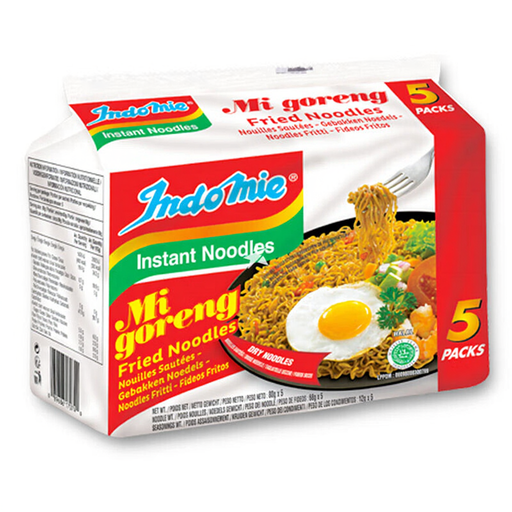
Why this fits the profile: A multipack with five portions of 80 grams for anyone who wants to buy instant noodles without committing to a large box straight away.
The number of portions and total weight are clearly stated. The preparation method is draining and mixing, so no unexpected soup base.
Dry Indonesian style with spices, sweet soy sauce and chilli; five individual sachets.
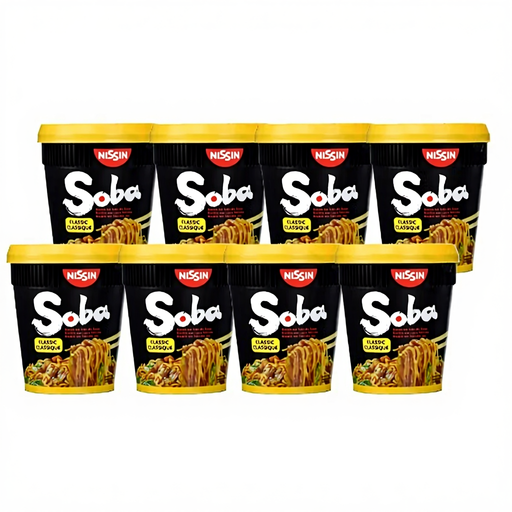
Why this fits the profile: A cup format for those who value consistent preparation, portion packaging and Japanese yakisoba style.
The instructions state three minutes and a marked water line, so you don’t need to measure the portion yourself.
Eight cups of 90 grams; soy-based flavour and separate seasoning sachet.

Why this fits the profile: A large pack for fans of spicy ramen who regularly want to prepare a bold Korean flavour.
The packaging states ten portions of 130 grams. The spiciness is clearly linked to chilli and red pepper; adjust the sauce amount to your own taste.
Thick noodles at 130 grams per sachet; combination of spicy sauce and carbonara seasoning.
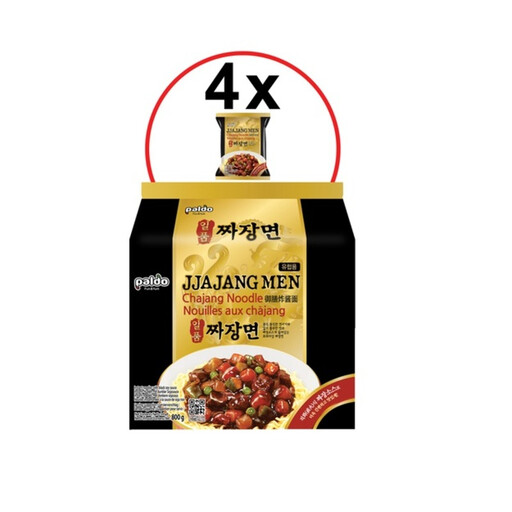
Why this fits the profile: For anyone wanting a larger portion and a less common Korean sauce style to try.
The product information states four portions of 200 grams and explains the extra rinsing step. So you know in advance this isn’t a standard cup preparation.
Generous portion; sweet-savoury black bean sauce with instructions for boiling, rinsing and mixing.
We’ve put together a full, up-to-date list of products that fully meet these strict selection criteria and current European safety regulations.
Instant noodles are often a base product. Add fresh or frozen vegetables, an egg, tofu or leftover chicken as you like. For fish, chicken or prawn flavours, first check the allergen information. With a strong sauce, you might use less of the seasoning sachet and add more later.
Store unopened sachets in a cool, dry place, away from moisture and direct sunlight. Don’t use any packaging that is damaged. Always check the date before eating and prepare the product according to the label.
The best-before date is on the packaging and can vary by product. Store the sachets in a dry, cool place. Once opened, it’s best to use the contents straight away, especially if the seasoning or sauce sachets have already been opened.
That depends on the variety and what you serve with them. Many products mainly contain noodles and flavourings. Add vegetables and a source of protein if you want to make it a more filling meal. Check the nutritional value per portion and the salt content.
Korean ramen such as Samyang Buldak Carbonara contain chilli and are designed for a distinctly spicy flavour. The intensity varies from person to person. Start with a smaller amount of sauce if you like, and always check the ingredients list and allergen information.
