
Vandaag of morgen in huis

Kwaliteit gegarandeerd

Welkomstaanbiedingen ontgrendelen: GRATIS bezorging | Tot 80% korting | Gratis 30 dagen JoyPlus-proefperiode
Download de app
Instant noodles are handy for a quick meal, lunch at the office or a hearty snack after a long day of studying. Yet Asian instant noodles vary greatly in flavour, preparation, portion size and ingredients. If you only go by an attractive packet or a well-known brand name, you could end up with a product that’s too spicy, doesn’t fit your diet or isn’t as good value as you thought.
As a Joybuy Product Recommendation Officer, I filter the key product information so you can compare more easily without relying on marketing claims.
“Beef”, “chicken” or “shrimp” doesn’t automatically mean there’s a lot of that ingredient in the packet. With some products, the flavour comes mainly from spices, extracts or flavourings. For example, Indomie Instant Noodle Shrimp contains 0.3% artificial shrimp flavouring according to the product information. That’s quite different from a generous amount of prawns.
If you want real ingredients, check the ingredients list and any quantitative declarations. For instance, Bai Xiang Classic Spicy Beef states 5% beef. With a noodle soup that has a beef flavour, the broth can still be largely made up of spices, soy sauce and flavour enhancers.
Korean ramen such as Nongshim Shin Ramyun, Ottogi Yeul Ramen and Samyang Buldak Carbonara are known for their spicy or fiery flavour. However, the perceived heat depends on how much of the seasoning mix you use, the preparation method and any additions like egg, vegetables or dairy.
A spicy noodle soup isn’t automatically suitable for everyone. You might start with part of the chilli powder and add more later. With Samyang Buldak Carbonara, the sauce is mixed through the noodles after cooking, which gives the product a different taste to a classic soup version.
An instant noodle multipack often lowers the price per portion, but only if you actually eat that flavour. Pay attention to the gram weight per bag or pot. A box of 20 portions at 120g each isn’t directly comparable to five bags of 70g each.
Also check the best-before date on the packaging. Store instant noodles according to the label in a cool, dry place, away from moisture and direct sunlight.
Most instant noodles contain wheat and gluten. In addition, soya, milk, egg, celery, fish, shellfish, peanuts and sesame are common. Always read the allergen information on the packaging, especially if you’re cooking for someone else.
If you’re looking for halal instant noodles, look for explicit certification. The Bai Xiang Halal Spicy Beef Noodle Soup is described in the product information as halal-certified. The pack contains five portions of 96g according to the product name; check the actual net weight on the label before purchase.
Vegetarian and vegan are separate categories. The product information for NongShim Instant Vegetable Noodles mentions vegan certification. With other products, a flavour name like “chicken” may refer to flavouring, but that doesn’t automatically make the product vegetarian. Always check the full ingredients list.
Bags are practical when you’re using a pan or bowl of boiling water. Pots are more convenient for the office or on the go, but take up more storage space. The preparation time for many products is between three and five minutes.
Examples:
Also look at the difference between soup noodles and dry noodles. Indomie noodles, for example, can be boiled or stir-fried. Chapagetti is also prepared without a large amount of broth.
Compare nutritional values on the same basis: per 100g and not just per serving. Many instant noodles are relatively high in energy, fat and salt. The values vary by flavour and brand. On the product pages, for example, values range from around 418 to 473 kcal per 100g for different varieties.
Use the full seasoning sachet if you want a strong flavour, but be aware that this affects the amount of salt per portion. You can add vegetables, egg or another source of protein to the meal. This changes the nutritional value and makes the meal more filling, but it doesn’t remove the original composition.
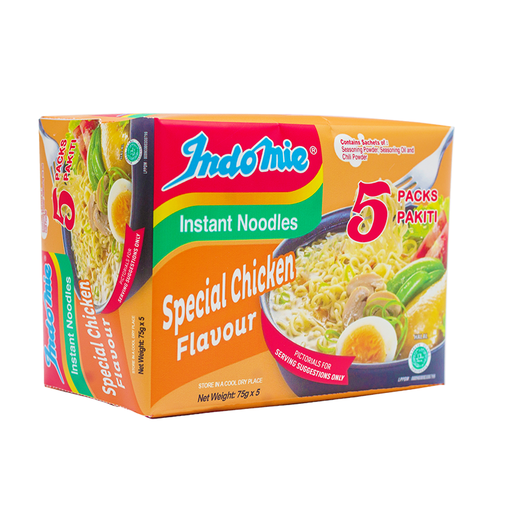
Why this fits the profile: A straightforward five-pack with chicken flavour for anyone trying Asian instant noodles for the first time who doesn’t need a large stock.
The number of portions and weight are clearly specified: five bags of 75g. The ingredients list wheat and celery as allergens.
Five individual portions, 75g per pack and suitable as a quick meal or snack.
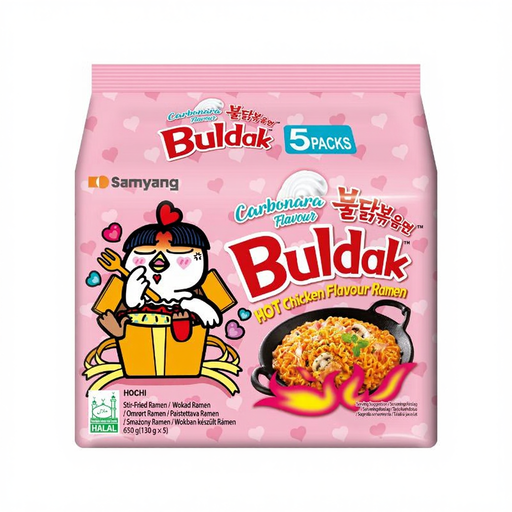
Why this fits the profile: For fans of Korean ramen who want a combination of spicy sauce and a creamy carbonara flavour.
The pack contains five portions of 130g. The presence of wheat, soya and milk is stated; check the actual packaging if you have allergies.
Thick, pre-cooked noodles, a separate sauce and powder mix, and 130g per portion.

Why this fits the profile: A large stock for student houses, families, offices or households where ramen is eaten regularly.
The box contents are immediately clear: 20 bags of 120g. This makes it easier to calculate the price per portion than with a vaguely mixed box.
20 portions, 120g per bag and a preparation time of around four to five minutes.
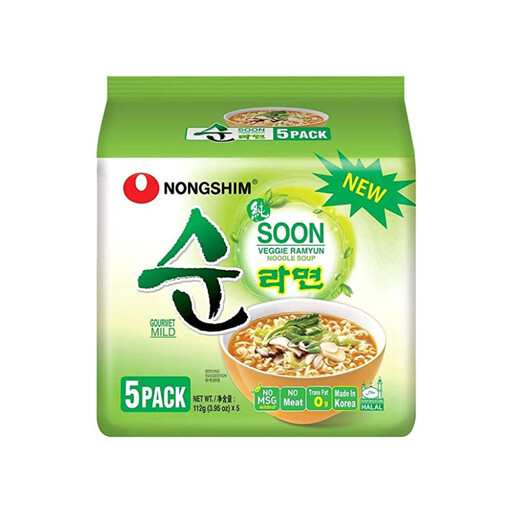
Why this fits the profile: A Korean option for anyone looking for a noodle soup without meat products who prefers a vegan-certified choice according to the product information.
The product information explicitly mentions vegan certification and lists wheat and soya as allergens. Check the current label for any cross-contamination.
Five bags of 112g and a vegetable flavour with dried cabbage and carrot.
We’ve put together a full, up-to-date list of products that fully meet these strict selection criteria and comply with current European safety regulations.
Follow the preparation instructions on the packet. Usually you boil the noodles for a few minutes in water or let them steep for three to five minutes with boiling water. Add the seasoning, oil or sauce as directed. Be careful with hot water and don’t eat the product raw when cooking or heating is required.
The best-before date is on the packaging. Unopened instant noodles should generally be stored in a cool, dry place, away from sunlight and moisture. Don’t use a packet if a sachet is damaged or leaking. Once prepared, it’s best to eat the noodles straight away.
That depends on your portion and any additions. A bag mainly contains noodles and seasoning mix. Add vegetables, egg or a suitable source of protein, for example, if you want a more substantial meal. If you have allergies, halal or vegetarian requirements, always check the label first.
