
Vandaag of morgen in huis

Kwaliteit gegarandeerd

Welkomstaanbiedingen ontgrendelen: GRATIS bezorging | Tot 80% korting | Gratis 30 dagen JoyPlus-proefperiode
Download de app
Instant noodles are ideal for a quick lunch, the pantry, a student room or the office. However, instant ramen, Asian noodles and noodle soup can vary considerably in flavour, preparation and portion size. A low price per pack does not necessarily mean good value if you choose a flavour you do not like or buy a large pack that you cannot use in time.
As a Joybuy Product Recommendation Officer, I filter the most important product information down to practical points. This allows you to compare Chinese instant noodles, Japanese ramen and Korean ramen using verifiable details rather than relying solely on eye-catching marketing claims.
A 30-pack of instant noodles may seem like good value, but first check the weight per portion. A box with 30 portions of 79 grams is not the same as a box with 30 portions of 100 grams. Compare the total contents as well as the price per 100 grams.
A 5-pack of instant noodles is often more practical for a first purchase or a smaller household. For families, canteens, offices and high-volume users, a large pack of instant noodles may make more sense.
A flavour name does not always describe the full composition. Check the ingredients, allergens and any animal-derived ingredients on the product page and packaging. For halal instant noodles, an explicit halal statement or certification is important; a beef flavour alone is not proof of this.
The intensity of spicy instant noodles can also vary. Chilli, pepper, chilli oil and seasoning blends are often listed separately in the ingredients. If you are not used to spicy food, it is best to start with a mild flavour or use only part of the seasoning mix.
Words such as “authentic”, “rich”, “traditional” and “healthy” are not automatically objective product characteristics. A manufacturer may describe a flavour or preparation method in this way based on its own research or the product description, but it is better to look at concrete information: net weight, preparation time, ingredients, allergens and nutritional values.
Pay attention to these three points:
A cup pack, such as a 12-pack, is practical when you do not want to use a pan or bowl. For home use, bagged noodles are often more flexible, as you can also cook them and add vegetables, egg or tofu.
Check whether the noodles need to be boiled or simply covered with boiling water. Many products require approximately 400 to 500 ml of water and have a preparation time of 3 to 5 minutes. Always follow the instructions on the packaging.
With some Japanese ramen and Chinese instant noodles, the seasoning oil, soup base and vegetables are added separately. This gives you more control over the flavour, but it also means you need to use all the sachets and mix everything thoroughly.
Many instant noodles contain wheat and gluten. Soya, sesame, fish, shellfish, egg, milk, peanuts and celery are also common ingredients. Check the allergens highlighted in bold on the label, particularly with seafood ramen, tonkotsu ramen and flavours containing soy sauce.
Also pay attention to the salt content. The nutritional values in the product information may vary by brand, recipe and preparation method. Use the packaging from the batch you receive as your guide. Keeping the soup base separate or not adding all of it changes the flavour and amount of salt, but does not automatically make a product suitable for a particular diet.
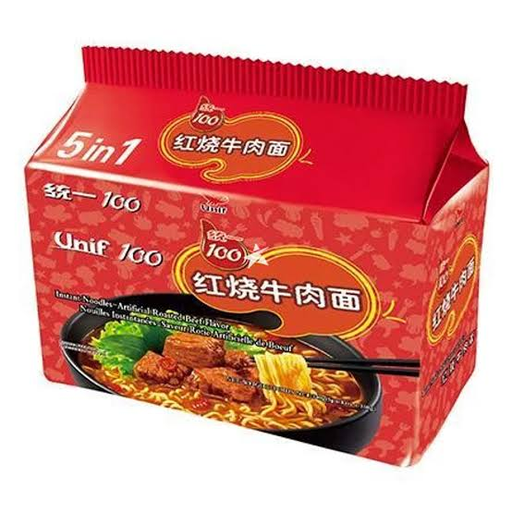
Why it suits this profile: A manageable 5-pack for trying a classic beef flavour without immediately buying a large stock.
The quantity of five bags and the weight of 100 grams per bag are clearly stated.
Five individual portions, beef flavour and preparation instructions provided on the packaging.
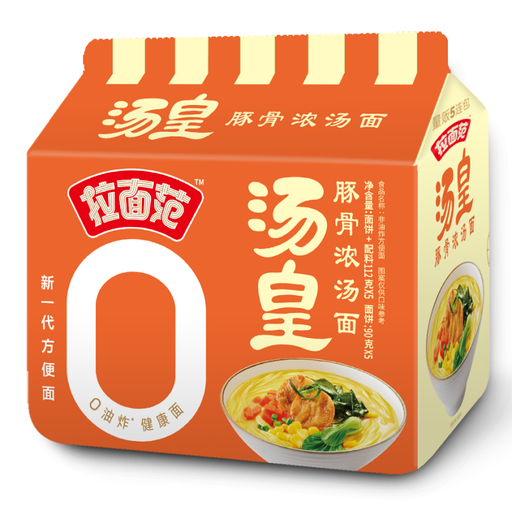
Why it suits this profile: Ideal for anyone looking for a more elaborate ramen experience with multiple sachets, vegetables and a tonkotsu soup base.
The product composition lists separate soup, oil, vegetable and topping sachets rather than relying only on a general flavour claim.
112 grams per portion, five packs and non-fried noodles according to the product description.
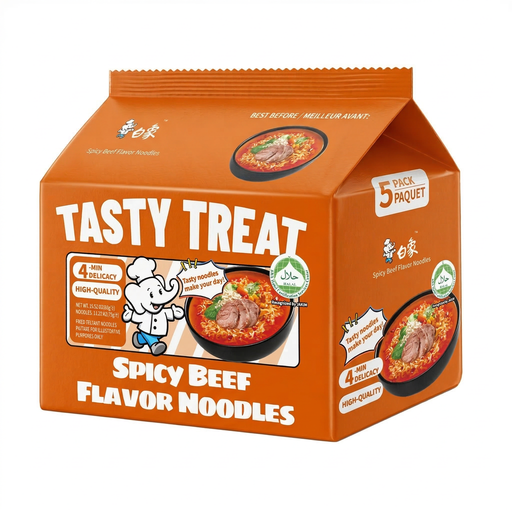
Why it suits this profile: Designed for shoppers looking for a halal statement and wanting to buy spicy beef soup in individual portions.
The product name states halal, while the allergen list includes wheat, soya, sesame and celery, among others.
Five 88-gram bags, preparation with approximately 500 ml of boiling water and a stated spicy beef soup.
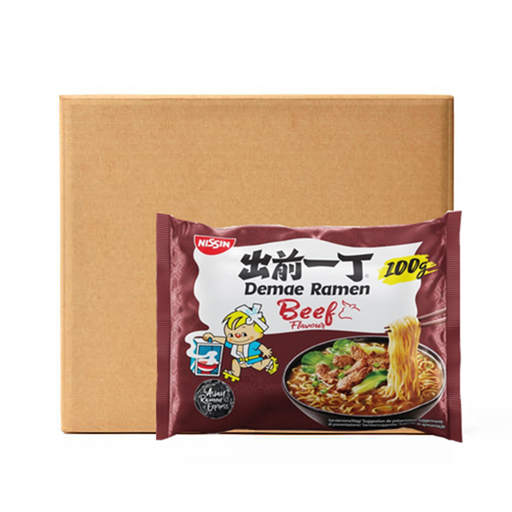
Why it suits this profile: A generous supply of classic instant ramen for several people, an office cupboard or regular use.
The box size and contents per bag are clearly specified: 30 individual portions of 100 grams.
Large pack, individual bags and preparation in just a few minutes according to the product information.
We have compiled a complete, up-to-date list of products that fully meet these strict selection criteria and the applicable European safety regulations.
Instant noodles are not just meant to be eaten straight from the pack. You can customise your meal with:
With Japanese ramen, Korean ramen and Chinese instant noodles, pay attention to the preparation instructions. A bag of dry noodles may need to be cooked in a pan, while a cup only requires boiling water.
Check the best-before date on the packaging. Store the products in a dry, cool place away from direct sunlight. It is best not to use damaged or damp packs. If you keep a large stock, check the dates regularly so that the oldest packs are used first.
That depends on the portion and what you add. Many products consist mainly of noodles and broth. Add vegetables and a source of protein if you want to create a more substantial meal. Also check the nutritional values, particularly the salt content per portion.
A 30-pack may offer a lower price per portion, but only if you eat the flavour regularly and have enough storage space. A 5-pack is more convenient for trying a flavour first. Always compare the price per 100 grams, the number of portions and the net weight before ordering.
