
Vandaag of morgen in huis

Kwaliteit gegarandeerd

Welkomstaanbiedingen ontgrendelen: GRATIS bezorging | Tot 80% korting | Gratis 30 dagen JoyPlus-proefperiode
Download de app
Instant noodles are a handy option for students, busy professionals and families who want something warm to eat in a hurry. Yet many packs look very similar. The difference often lies in the flavour base, preparation method, portion size and allergen information. This guide helps you compare Asian instant noodles on the practical points, so you can avoid buying something that doesn't suit your needs.
A product with chilli on the packaging can range from mildly spiced to intensely hot. With Korean ramen such as Nongshim Shin Ramyun, Ottogi Yeul Ramen and Samyang Buldak ramen, the flavour is generally described as distinctly spicy in the product description. When it comes to spicy noodles, it’s wise to check the ingredients first – things like chilli powder, chilli extract or chilli oil.
Want to play it safe? Don’t use the whole sachet of oil or seasoning on your first go. With some products, you can adjust the amount yourself.
An instant noodle multipack can work out cheaper per portion, but do check the best-before date and how often you’ll eat them. A box of 30 sachets, such as Nissin Demae Ramen Beef 30x100 g, is better suited to families, shared kitchens or a well-stocked cupboard than to someone who only has noodles occasionally.
Also pay attention to the difference between a 100 g sachet, a 120 g or 130 g portion, and a bowl. A larger pack doesn’t automatically mean the preparation method stays the same.
“Beef”, “chicken” or “beef flavour” can refer to a flavour mix, extract, aroma or stock powder. So always check the ingredients list. Some beef noodles list beef powder or beef extract; others rely mainly on herbs, soya and flavour enhancers.
If you eat vegetarian or vegan, you need to pay extra attention to the full ingredients. The Shizu Energy Vegan Beef Noodles are made with plant-based ingredients according to the product information, but they do contain wheat, soya and sesame.
Most noodles are ready in around three to five minutes. But that doesn’t mean every product uses the same method:
A bowl is practical for the office or a student room, while sachets give you more flexibility for pan cooking and adding extra ingredients.
Compare the net weight per pack. Many products contain 100 g, but Samyang Hot Chicken Ramen Carbonara contains 130 g per sachet and Nongshim Shin Ramyun 120 g. Also look at the nutritional values per 100 g and per portion. The stated values can vary between brands and preparation methods.
Pay particular attention to salt, fat and saturated fat when you’re comparing products. This information is on the label and can differ significantly between flavour variants. Always use the actual packaging as your guide.
Many instant noodles contain wheat or gluten and soya. Depending on the flavour, milk, egg, celery, fish, shellfish, mustard or sesame may also be present. This applies, for example, to various Japanese ramen and Korean ramen.
Store unopened instant noodles in a dry, cool place away from direct sunlight. When you order online, check the best-before information on the packaging as soon as it arrives. If the packaging is damaged, it’s best not to use the product.
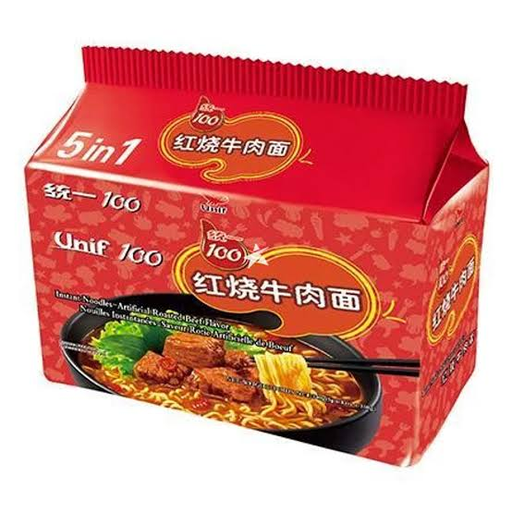
Why this fits: A neat 5-pack for anyone who wants to try beef noodles without committing to a large stock.
The packaging states five sachets of 100 g and a preparation time of around five minutes. That makes the portion and stock levels clear.
Contains dried vegetables and, according to the product information, has a classic braised beef flavour.
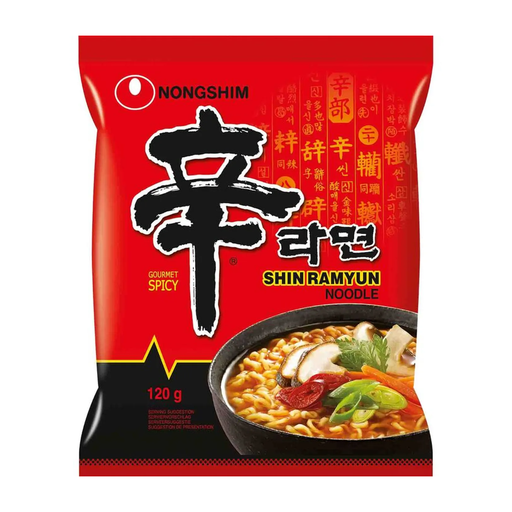
Why this fits: For fans of a spicy broth with mushroom, carrot, red chilli and onion.
The product information explicitly states a preparation time of 4.5 minutes. Check the allergens, including gluten, soya and several possible traces.
The sachet packaging allows for pan cooking and a 120 g portion.
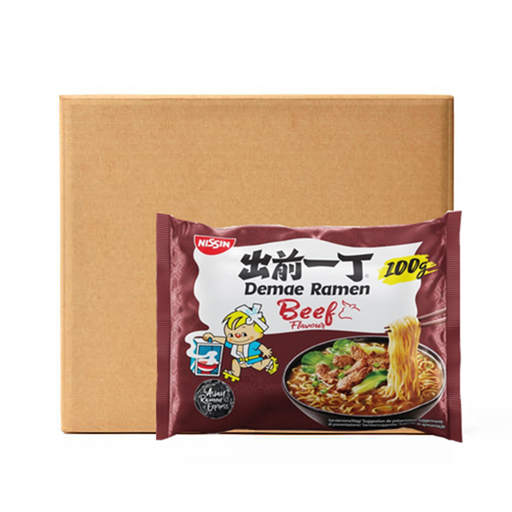
Why this fits: Suitable for families, shared kitchens and customers who buy noodles online regularly.
The box contains 30 individual portions. That makes it easier to plan your usage than with loose, mixed flavours.
According to the product information, each sachet is 100 g and has a beef flavour with herbs and spices.
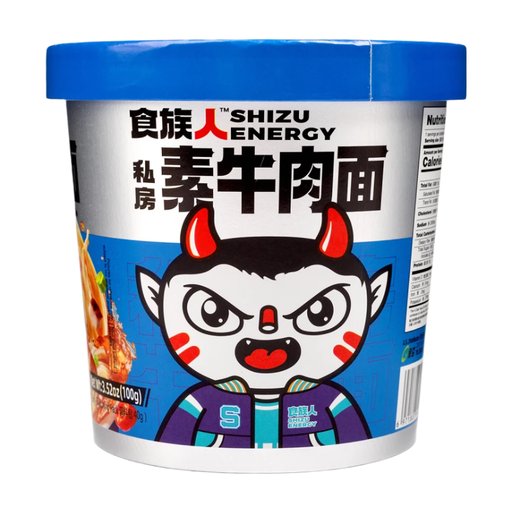
Why this fits: A practical choice for anyone looking for a plant-based beef flavour in a single-serving portion.
The product information describes the noodles as vegan, but does mention wheat, soya and sesame. Check the label if you have allergies.
Contains 12 g of protein according to the product specifications, and is prepared with around 400 ml of boiling water in four to five minutes.
Browse a current selection of instant noodles in different flavours, portion sizes and pack types.
Always check the date on the packaging. Store unopened noodles in a dry, cool place away from heat and direct sunlight. Don’t use a pack if it’s damaged. With multipacks, it’s a good idea to use the older sachets first.
That depends on your portion and what you add. Most varieties are ready in three to five minutes. You can add things like egg, tofu, mushrooms or vegetables, but check the preparation instructions and allergens first. The nutritional values and salt content vary by flavour.
A milder beef or chicken option, such as Nissin Chicken Ramen or Uni-President Braised Beef, is a good starting point. If you’re after Korean ramen or spicy noodles, look at Nongshim Shin Ramyun, Ottogi Yeul Ramen or Samyang Buldak Carbonara. Check the ingredients on each product and adjust the amount of seasoning or oil to your taste.
