
Vandaag of morgen in huis

Kwaliteit gegarandeerd

Welkomstaanbiedingen ontgrendelen: GRATIS bezorging | Tot 80% korting | Gratis 30 dagen JoyPlus-proefperiode
Download de app
Instant noodles are a handy option for a quick lunch, a student dinner or a warm snack at the office. However, cup noodles, sachets and electric cooking pots vary widely in size, flavour, preparation method and running costs. What’s more, an eye-catching packet doesn’t always tell you what you’re actually getting.
The points below will help you assess marketing claims and choose a product that suits your household, kitchen and mealtime.
A multi-pack of eight cups often looks attractively priced, but compare the price per serving and the weight per cup. A 64g or 67g cup is best suited as a snack or light meal. Sachets of around 100g can offer more room for toppings, but usually require a bowl and sometimes a longer cooking time.
Also check the nutritional information. For example, the product description for NISSIN Instant Noodles Cup 5 spices Beef 64g states 3.0g of salt per 100g. For Nissin Soba Classic, it states 4.1g of salt per 100g. Always check the label on the packet, as values and recipes can change.
Terms like Japanese, Sichuan, curry or Tom Yum mainly describe the chosen flavour direction. They don’t guarantee that the product will taste exactly like a restaurant dish. According to YuanXian’s own product description, the hotpot flavour comes from Pixian bean paste, chilli oil and Sichuan pepper, among other ingredients. This gives a clear indication of the flavour profile, but personal taste is still the deciding factor.
If you’re looking for spicy noodles, check the ingredients list for chilli, pepper and spices. If you prefer a milder option, you could look at Japanese curry noodles instead. Also check for allergens such as wheat, soya, milk, sesame, buckwheat or shellfish.
An electric ramen cooker or mini electric cooking pot takes up little space, but there’s more to consider than just the wattage. A compact 1.0 or 1.6 litre pot is designed for one to two people. A 2.4 litre model offers more room for soup, pasta or a small hotpot. A 7 litre capacity, on the other hand, is intended for multiple diners and requires considerably more storage space.
Also check whether the inner pot is suitable for your cooking method, whether the plug is designed for Dutch sockets, and which parts can be cleaned with water. A non-stick coating must not be scratched with metal utensils. The instruction manual is always the final authority.
Choose based on how you’ll use it:
With Asian noodles, pay attention to the preparation method. Some cup noodles only need to be steeped in boiling water for three to five minutes. Other instant noodles actually need to be boiled. According to the product description, the YuanXian Hot Pot Rice Noodle 253g requires boiling water and a resting time of five to six minutes. The noodles must not be eaten raw.
The range extends from beef-flavoured noodles to curry noodles, soba noodles, rice noodles and Tom Yum noodles. Don’t just look at the name – also check:
With Nissin Soba Classic, the noodle contains wheat and buckwheat flour, among other ingredients. The product description lists soya and wheat as allergens, with possible traces of egg, milk, celery, fish and sesame, among others. If you have a food allergy, the packet is always the most up-to-date source.
For a mini electric cooking pot, the following details are practically relevant:
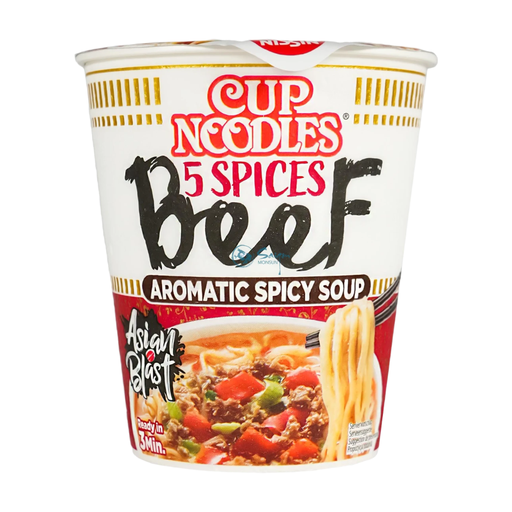
Why this fits the profile: The individual cup only needs boiling water and is ideal for a quick meal at home, at school or in the office.
The compact size makes the portion and preparation clear. Do check the stated 3.0g of salt per 100g and the allergens: wheat, soya, milk and barley.
64g per cup; preparation with boiling water; no extra pan needed.
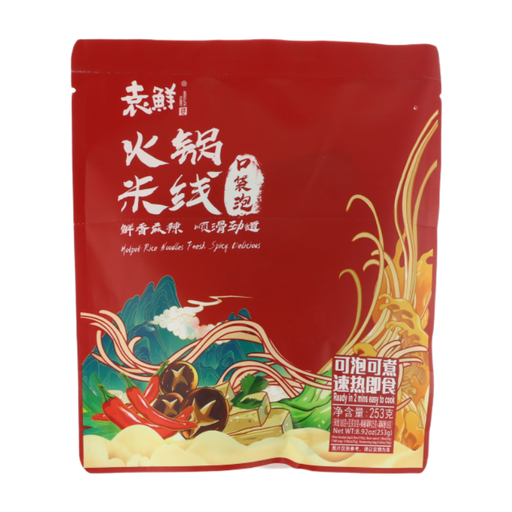
Why this fits the profile: For those seeking a distinctive Sichuan profile and rice noodles rather than a standard cup.
The product description specifically mentions chilli oil, Sichuan pepper and Pixian bean paste rather than just a general flavour claim.
253g; rice noodles; bean sprouts and crispy bean topping; five to six minutes preparation.
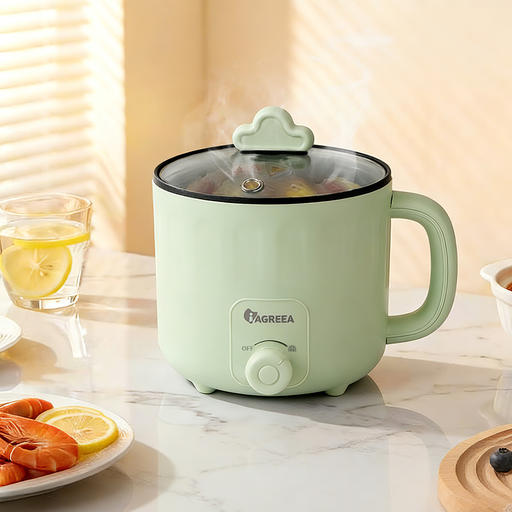
Why this fits the profile: A practical choice for students, small households and anyone who wants to prepare ramen, shabu-shabu, soup or pasta in one pot.
The 1.6 litre capacity stops you buying a large pot for small portions. According to the product description, automatic shut-off and dry-boil protection are included.
600W; non-stick coating; 1.6 litres; suitable for ramen and multiple cooking functions.
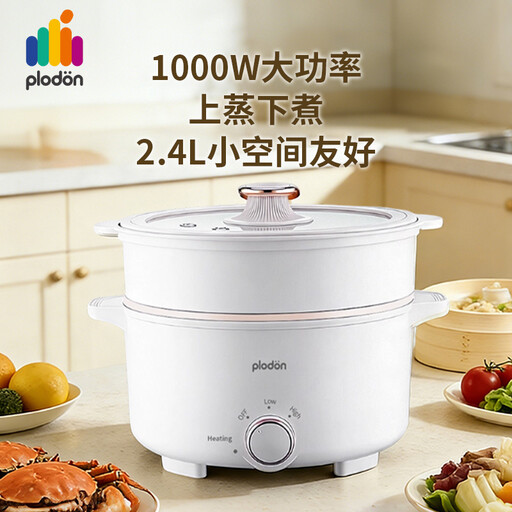
Why this fits the profile: The 2.4 litre capacity offers more room for ramen, soup, pasta and a small hotpot with multiple ingredients.
The capacity is larger than a mini cooking pot, but according to the description it remains compact at 27 × 22 cm.
1000W; two heat settings; 2.4 litres; removable steamer according to the product description.
We’ve put together a full, up-to-date list of products that fully meet these strict selection criteria and comply with current European safety regulations.
For cup noodles, fill the cup to the indicated line with boiling water. Close the lid and wait the recommended time, often three to five minutes. For sachets, check whether steeping is sufficient or whether boiling in a pan is required. With rice noodles and thicker ramen, always follow the instructions on the packet.
Store unopened instant noodles in a cool, dry place away from direct sunlight. The best-before date is on the packet. Once prepared, it’s best to eat the noodles straight away; several product descriptions advise against storing leftovers. Do not use any packet that is damaged or feels damp.
The consumption depends on the power rating and the duration of use. A 600W pot running for twenty minutes theoretically uses about 0.2 kWh. A 1000W model uses roughly 0.33 kWh in the same time. In practice, an appliance may switch off earlier or not heat continuously. So look at the wattage, cooking time and your current electricity price.
