
Vandaag of morgen in huis

Kwaliteit gegarandeerd

Welkomstaanbiedingen ontgrendelen: GRATIS bezorging | Tot 80% korting | Gratis 30 dagen JoyPlus-proefperiode
Download de app
A pack of instant noodles might seem like a simple choice. Yet Korean ramen, spicy noodles and Asian noodle soup differ greatly in flavour, preparation method, portion size and allergens. What’s more, eye-catching packaging doesn’t always tell you about the amount of seasoning, the heat level or the price per serving.
For students, families and anyone who loves a quick meal, these three pitfalls are particularly relevant:
First, decide between a soup variety and a noodle dish with sauce. An Asian noodle soup such as Shin Ramyun or kimchi noodles is made with broth. Buldak noodles and some carbonara-style varieties are usually mixed with a concentrated sauce after cooking.
Pay attention to the flavour description:
The exact intensity still depends on your personal taste. With very spicy products, start by using only part of the sauce and add more later.
An individual serving in the range is usually around 80 to 130 grams, while semi-dry or thicker noodles can be heavier. A 5-pack of noodles is handy if you want to keep a quick meal on hand every now and then. For a family, office stash or shared household, a bulk pack of noodles can be more practical.
Check before you buy:
Cups are convenient for work, study or on the go. Sachets generally take up less space and give you more freedom in how you prepare them.
Always read the label, especially if you have an allergy or dietary requirement. Many instant noodles contain wheat and soya. Other products also contain milk, egg, fish, shellfish, peanuts, sesame, celery or mustard.
Also compare the nutritional values per 100 grams. The products mentioned vary in energy, fat and salt. For example, Nongshim Kimchi is listed in the product information as having 11.3 grams of salt per 100 grams, while Samyang Buldak Carbonara states 2.6 grams of salt per 100 grams. These values are only properly comparable when you use the same reference and check whether it refers to the dry product or the prepared meal.
Claims such as “non-fried” or “lighter” shouldn’t automatically be taken as a health benefit. Look at the full ingredients list and nutritional information table.
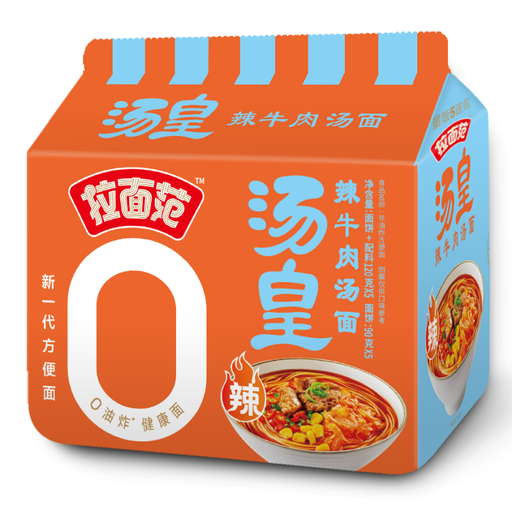
Why this fits the profile: This pack contains five servings of 120 grams, making it straightforward for students, small households or anyone wanting to build a small stash. The instructions say to cook for three minutes in 550 ml of water.
The number of servings, weight and preparation are clearly stated. So you know exactly what you’re buying and how much water you need.
Five individual servings, beef flavour, dried vegetables and non-fried noodles according to the product description.
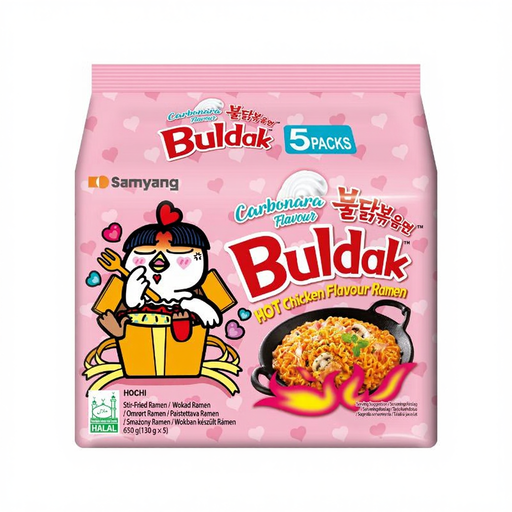
Why this fits the profile: Ideal for anyone seeking a distinctive Korean ramen experience with thick noodles, spicy chicken flavour and a carbonara-style powder mix.
The product information clearly states it’s a spicy sauce variety and lists milk, soya and gluten as allergens.
Five servings of 130 grams, creamy carbonara flavour and sturdy noodles that are described as suitable for stir-frying.
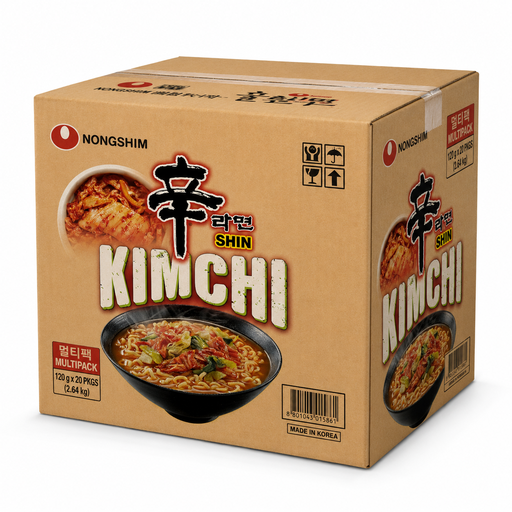
Why this fits the profile: This box of twenty servings suits families, shared houses, offices and frequent users who want to keep a stock of instant ramen.
This is a clearly specified bulk pack. Just check the price per serving and the best-before date before you order.
Twenty packs of 120 grams, kimchi flavour, dried vegetables and preparation with hot water.
We’ve put together a full, up-to-date list of products that fully meet these strict selection criteria and comply with current European safety regulations.
Always check the packaging first. With a sachet, several methods are possible:
A cup variety is usually simpler: open the lid, add the seasoning, pour boiling water up to the fill line and wait for the time stated. Don’t use damaged packaging.
They are designed for fast preparation and can be handy as a meal or snack. The nutritional value and portion size vary from product to product. So check the label and, if you like, add fresh vegetables, an egg or another permitted addition according to your own eating pattern.
Follow the best-before date and storage instructions on the packaging. Store dry noodles in a cool, dry place, away from direct sunlight and moisture. Once opened, it’s best to keep seasoning sachets or noodles tightly sealed and follow the product instructions.
No. Korean ramen is available in a range of flavour profiles, including milder broths, kimchi, beef, vegetables and very spicy Buldak varieties. Read the product description and, with a sauce variety, start with a smaller amount of seasoning if you prefer.
