
Vandaag of morgen in huis

Kwaliteit gegarandeerd

Welkomstaanbiedingen ontgrendelen: GRATIS bezorging | Tot 80% korting | Gratis 30 dagen JoyPlus-proefperiode
Download de app
Instant noodles are a handy option for a quick meal at home, in the office or on the go. However, Asian instant noodles vary greatly in noodle type, preparation method, flavour intensity and nutritional information. An attractive packet tells you very little about what is actually inside the sachet or pot.
This guide compares instant rice noodles, wheat noodles and spicy noodle soup based on verifiable product data. That way, you can make a more informed choice between Vietnamese pho, Bún Bò Huế noodles, Korean rice noodles, Thai noodles and noodles with a beef flavour.
The term beef flavour can refer to beef extract, flavouring or a plant-based ingredient made with soy protein. For example, the Huiji You Ni Yi Mian Roasted Pepper Sauce Mixed with Plant-based Ground Beef Dry Noodles explicitly states plant-based beef sauce on the label. The ingredients list mentions soy protein and soy sauce, not fresh beef.
If you are looking for real animal-derived ingredients, it is worth reading the full ingredients list. Also look out for terms such as beef extract powder, beef flavour, flavouring and plant-based.
Rice noodles are usually made mostly from rice, but the broth or seasoning sachets may contain wheat. With VIFON Inst Rice Vermicelli Beef Hue Style, rice noodles are mentioned, yet the allergen information also lists wheat, fish and prawns.
Always check both the noodles and the soup base. For anyone with an allergy or intolerance, the allergen declaration on the actual packaging is what you should rely on.
A low spice rating can be useful, but it remains an indication from the manufacturer. For instance, the VIFON Beef Pho Bo is described in the product information as having a low spice level of 1. The Bún Bò Huế variant and Baekje Spicy Beef Soup Flavour, on the other hand, contain chilli and are described as spicy.
Alongside the flavour name, look for chilli, pepper, Sichuan pepper, lemongrass and spices in the ingredients list. This will help you avoid a product that turns out too mild or, conversely, too hot.
For a quick meal, the method of preparation is important. According to the product information, VIFON Beef Hue Style requires approximately 400–500 ml of boiling water and 3–4 minutes covered. The Acecook Oh! Ricey Instant Rice Noodles Beef Bowl is designed for preparation in the pot: add water to the fill line, wait about three minutes and stir.
Dry noodles with sauce, such as the Huiji variant, require boiling in a pan for around 3–5 minutes, after which you drain the cooking water. This gives you more control over the amount of sauce, but is less practical in an office without a kitchen.
Compare the nutritional values per 100 grams, but also take the total packet weight into account. The Huiji packet weighs 182 grams and states 4.0 grams of salt per 100 grams. Acecook Oh Ricey states 5.64 grams of salt per 100 grams. The values are not directly comparable when a packet contains multiple portions.
Also pay attention to:
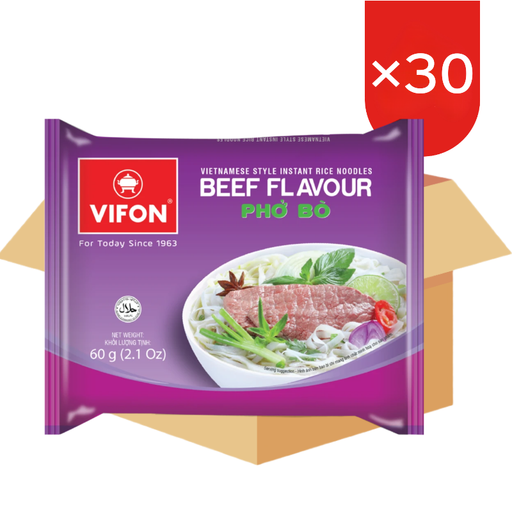
Why this fits the profile: The multipack contains individual 60g portions and is practical for stocking up in the cupboard, student room or office.
The product information lists the ingredients, allergens, preparation method and low spice rating, so you don’t have to rely solely on the flavour name.
60g per sachet, rice noodles and preparation in around 3–4 minutes with 400–500 ml of boiling water.
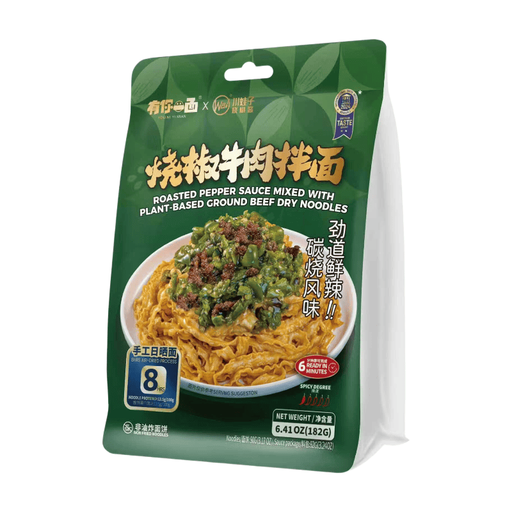
Why this fits the profile: This choice is aimed at fans of dry, spicy noodles with multiple layers of flavour rather than a classic soup.
The packet contains separate sachets for roasted chilli sauce, sauce and plant-based beef sauce. The ingredients make it clear that this is a plant-based beef variant.
182g, wheat noodles that hold sauce well and a preparation time of around 3–5 minutes. Contains wheat, soya and sesame.
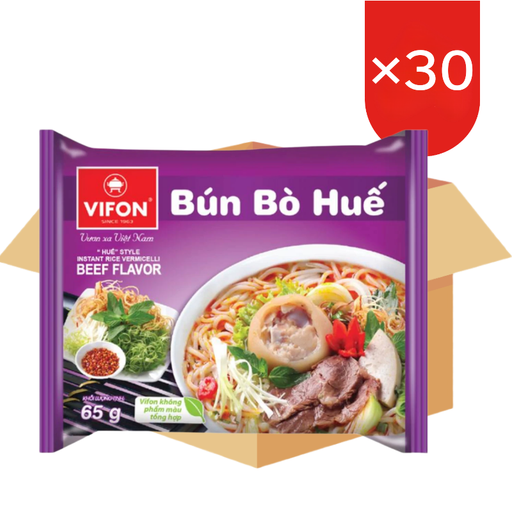
Why this fits the profile: The large pack suits households or offices where a quick bowl of Vietnamese rice vermicelli is prepared regularly.
The product information highlights the characteristic ingredients such as lemongrass, chilli, garlic and dried herbs. Wheat, fish and prawns are also listed as allergens.
30 sachets of 65g, 400–500 ml of water per portion and a waiting time of 3–4 minutes. This variant is described as a spicy beef broth in Hue style.
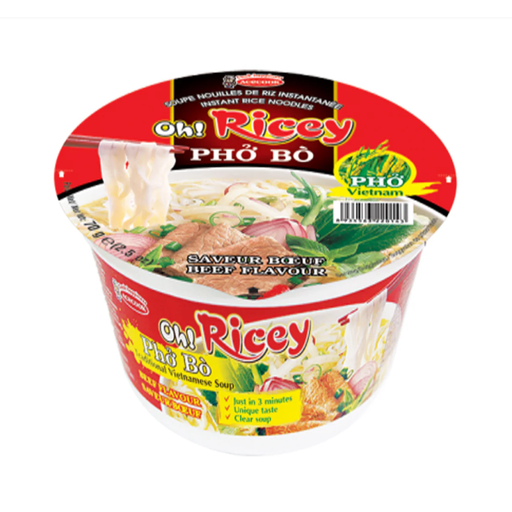
Why this fits the profile: The pot format requires no pan or extra bowl, making it ideal for a workplace with only a kettle.
The preparation instructions give a clear waiting time of around three minutes and a fill line for the water. Do check the allergen information on the packaging before buying.
71g per pot, rice noodles and a portable container. According to the product information, the meal is ready in around 3–4 minutes.
We have put together a full, up-to-date list of products that fully meet these strict selection criteria and comply with current European safety regulations.
You can easily adjust the flavour and substance without creating a completely new dish:
Store unopened instant noodles in a cool, dry place away from direct sunlight and moisture. Check the best-before date on the packaging. Once opened, it is best to use individual sachets straight away.
Not always. The noodles may be made from rice, but the seasonings can contain wheat. Always check the allergen declaration. For example, with VIFON Beef Hue Style, the product information lists wheat alongside fish and prawns.
Unopened packets can be stored until the stated best-before date, provided they are kept dry and cool. The date and any additional instructions on the actual packaging are what you should follow. Use opened sachets promptly to prevent moisture and flavour loss.
That depends on the packet size, the number of portions and the format. A multipack can be practical for regular use, while a single pot mainly pays for the portion and convenience. Compare the price per sachet or per pot, not just the price of the whole packet.
