
Vandaag of morgen in huis

Kwaliteit gegarandeerd

Welkomstaanbiedingen ontgrendelen: GRATIS bezorging | Tot 80% korting | Gratis 30 dagen JoyPlus-proefperiode
Download de app
Instant noodles are handy for a quick lunch, simple evening meal or snack. However, cup noodles, bowls and multipacks can differ considerably in portion size, preparation, flavour and ingredients. Eye-catching packaging also says little about how much you actually get or how spicy a product is.
Use these checkpoints to compare Asian instant noodles based on practical features. This makes it easier to find Japanese noodles, Korean noodles, Chinese instant noodles or a noodle soup to suit the way you plan to use them.
A 110-gram bowl and a 62- or 67-gram cup can look similar in a product photo. In practice, the difference is clear. Always check:
An instant noodle multipack is practical for a family, office or student house, but a box of small cups is not always suitable for a full meal.
Spicy noodles range from mildly aromatic to intensely focused on chilli and pepper. The description on the front is not a standardised scale. Check the ingredients: chilli, chilli powder, Sichuan pepper, kimchi or chilli oil provide an initial indication of the flavour profile.
If you are not used to much heat, it is best to start with a mild curry, teriyaki or classic soy sauce flavour. Those who enjoy a more pronounced taste can choose Korean or Sichuan varieties.
Vegetables, meat, prawns or toppings shown on the packaging may be displayed as a serving suggestion. Check the ingredients list and any quantitative declarations. In some products, these are dried vegetables or flavourings; this is not the same as a generous quantity of fresh ingredients.
Also pay attention to allergens. Many instant ramen products contain wheat, gluten and soya. Other varieties may also contain milk, egg, fish, crustaceans, sesame, mustard or peanuts. The information on the label of the packaging you receive takes precedence.
A ramen cup is suitable when you want to eat quickly without using a pan. You usually add boiling water up to the indicated line and wait a few minutes. A bowl often offers a little more content and space for toppings. A packet usually requires a pan, but can be useful when you want to add your own vegetables, egg or tofu.
Pay attention to the difference between soup and stir-fried noodles. For example, Nissin Soba Classic Cup is intended to be mixed with sauce, rather than eaten as noodle soup. This affects how much water you use and what the finished dish is like.
Check whether you only need a kettle or whether a microwave or saucepan is also required. Many cup noodles are ready after around three to five minutes. Always follow the instructions on the packaging, as the amount of water and waiting time vary from product to product.
For work, school or travel, a sturdy cup with a clearly marked fill line is practical. At home, a bowl or packet may offer greater flexibility. Only add toppings once the noodles are soft enough, unless the packaging instructs otherwise.
Instant noodles are primarily a convenience food. It is therefore worth comparing energy, fat, carbohydrates, protein and salt per portion. The nutritional value per 100 grams can be confusing when portion sizes vary.
For example, Nongshim Korean Hot & Spicy Bowl Noodle lists 5.7 grams of salt per 100 grams. Oyakata Japanese Curry Cup lists 1.6 grams of salt per 100 grams. These figures cannot be compared directly without taking the weight of the full portion into account.
If you have an allergy, always check the current packaging. Product information can change, and some products state that they may contain traces of other allergens.
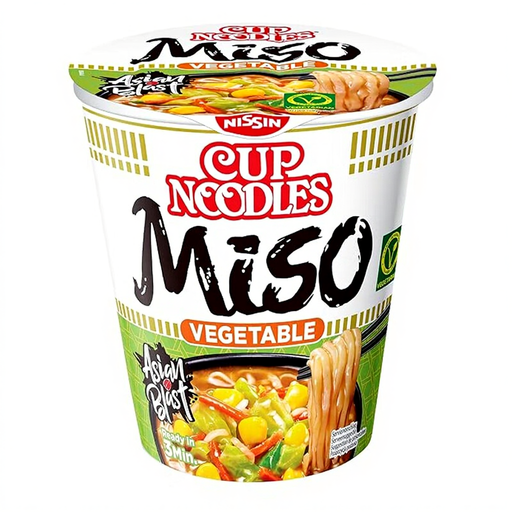
Why it suits this profile: The eight individual cups are easy to store and, according to the product description, can be prepared with boiling water in around three minutes. The teriyaki flavour is an approachable starting point for anyone wanting to try different types of instant ramen.
The number of portions and the weight of 67 grams per cup are clearly stated. This makes it easier to assess the price per portion than with packaging that does not clearly provide unit information.
Eight individual cups, preparation with boiling water and a Japanese-style flavour with teriyaki sauce, chicken and vegetables according to the product description.
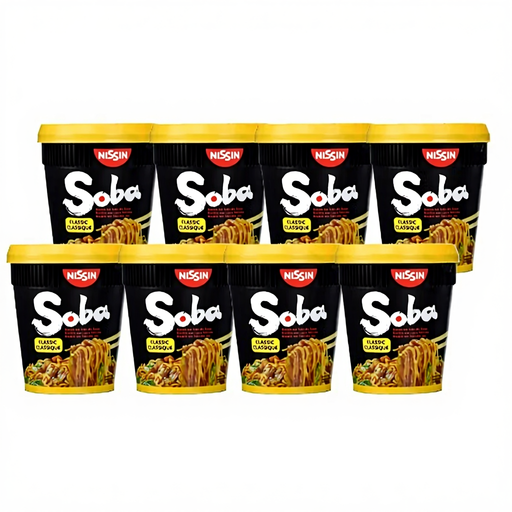
Why it suits this profile: According to the product information, this multipack contains eight 90-gram cups made with wheat and buckwheat flour and a soya-based stock. The separate seasoning sachet gives you some control over the final flavour.
The product information makes it clear that this is soba in a sauce style, rather than traditional noodle soup. This helps prevent incorrect expectations about the preparation method.
90 grams per cup, eight cups per box and a preparation time of around three minutes according to the product description.
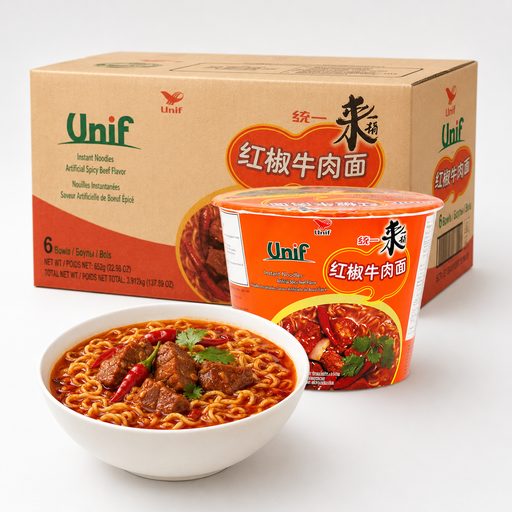
Why it suits this profile: The box contains twelve 110-gram bowls, making it suitable for families, offices or business customers buying in bulk. According to the product description, this variety has a Sichuan pepper and chilli flavour with a beef taste.
The total weight and number of bowls are clear in advance: 1,320 grams divided into twelve portions. The chilli flavour is explicitly stated in the product information, so you do not have to rely on the packaging alone.
110 grams per bowl, twelve per box, plus dried carrot and spring onion according to the ingredients list.
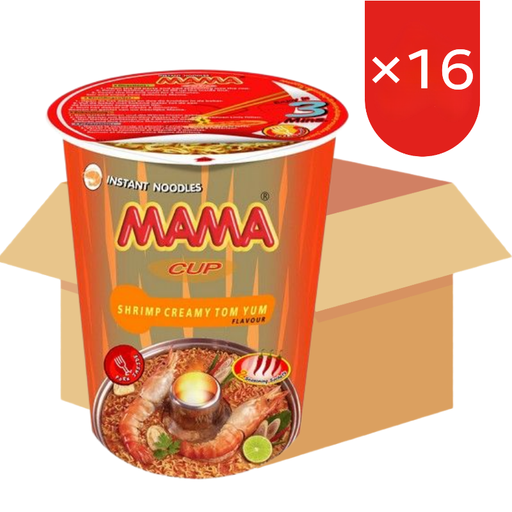
Why it suits this profile: A box of sixteen 70-gram cups is convenient when several people regularly want a quick snack or lunch. According to the product description, this Thai variety combines prawn flavour, lime-like sourness and chilli.
The portion size and number of cups are visible in the product name. Because of the prawn flavour, always check the allergen information before buying this value pack.
Sixteen individual cups, quick preparation and a clearly defined Thai tom yum-inspired flavour profile according to the product description.
We have put together a complete, up-to-date list of products that fully meet these strict selection criteria and the applicable European safety regulations.
Store unopened cups and bowls in a cool, dry place, away from direct sunlight, heat and moisture. Check the best-before date on the packaging. Do not use damaged packaging.
Prepare the noodles according to the instructions. Do not automatically add extra water: this can make the stock milder and changes the final quantity. Eat prepared noodles immediately and do not store leftovers at room temperature.
You can top up a cup with spring onion, sweetcorn, pak choi, an egg or tofu. Bear in mind that extra ingredients change the overall nutritional value and allergen content.
That depends on the portion size and what you add. For many people, a 62- to 70-gram cup is more of a snack or light lunch. A bowl of around 100 to 110 grams can be more filling. Vegetables, egg, tofu or other toppings make the meal more substantial, but always check the ingredients and nutritional values.
The exact shelf life varies by product and is stated on the packaging. Unopened instant noodles generally remain suitable until the stated date when stored in a dry, cool place. Do not use the product if the cup, packet or film is damaged.
Cup noodles are usually prepared directly in the packaging with boiling water. Instant ramen is a broader term for quick noodle products and can also include packets or bowls. Some varieties are noodle soups, while soba or yakisoba products are mixed with sauce. Always check the preparation method before buying instant noodles online.
