
Vandaag of morgen in huis

Kwaliteit gegarandeerd

Welkomstaanbiedingen ontgrendelen: GRATIS bezorging | Tot 80% korting | Gratis 30 dagen JoyPlus-proefperiode
Download de app
Instant noodles are convenient for a quick lunch, late-night snack or simple meal after a long day at work. However, instant ramen, Korean noodles and Japanese ramen can differ significantly in preparation time, flavour, allergens, heat level and pack size. A cheap pack is not automatically good value if you dislike the taste or end up leaving much of it unused.
As a Joybuy Product Recommendation Officer, I filter the most important product information so you can distinguish marketing language from verifiable specifications. Here is what to check before ordering instant noodles.
A box containing 20 or 30 sachets may seem appealing for students, families or office stockrooms. Always check the number of servings, weight per sachet and total price. For example, a 30-pack of 100 g sachets contains 3 kg of product, but it also takes up considerable storage space.
Buy in bulk when you already know you like the flavour, have enough dry storage space and have checked the best-before date on the packaging. For a first taste, a 5- or 6-pack is often more practical.
Spicy instant noodles may come with a chilli-and-garlic broth, but they can also feature a dry sauce, Sichuan pepper, Tom Yum seasoning or a seafood flavour. The term “spicy” therefore does not always describe the intensity or flavour profile.
Pay attention to the preparation method. With soup noodles, the cooking water becomes part of the meal. With stir-fry noodles, you drain the water and add oil, sauce or vinegar. The result is very different from an instant noodle soup.
Packaging featuring vegetables or a “beef flavour” without any obvious meat pieces is not automatically vegan. Check the ingredients and allergen information. Some products contain fish powder, beef extract, milk ingredients, egg or shellfish. Even products containing plant-based protein may include soy, wheat or sesame.
Preparation times vary. According to the product information, Nissin Demae Ramen is prepared with boiling water and takes approximately 3 minutes. According to its description, Nongshim Shin Ramyun requires 550 ml of water and 4.5 minutes of cooking. Other sachets call for 400 or 500 ml of water.
Use the instructions on the packaging as your starting point. Less water creates a more concentrated broth, but it also increases the amount of salt per bowl if you use the entire seasoning sachet. For cup noodles, fill to the indicated line and usually leave them to stand for 4 to 5 minutes.
Start by deciding what kind of meal you want:
The included vegetables are generally dehydrated. Add your own ingredients, such as pak choi, spring onion, egg, tofu or mushrooms, if you want more texture.
Wheat and soy are found in many instant noodle products. Seafood ramen may additionally contain fish, prawns, crustaceans and molluscs. If you have an allergy, always read the current label, as product packaging can change.
Compare the nutritional values per 100 g for salt, fat, saturated fat and energy. Nutritional values per serving may differ when a product weighs 100 g, 112 g or 120 g. There is usually no need to store the seasoning sachets separately, but keep unopened noodles in a cool, dry place away from direct sunlight. Do not use damaged packaging.
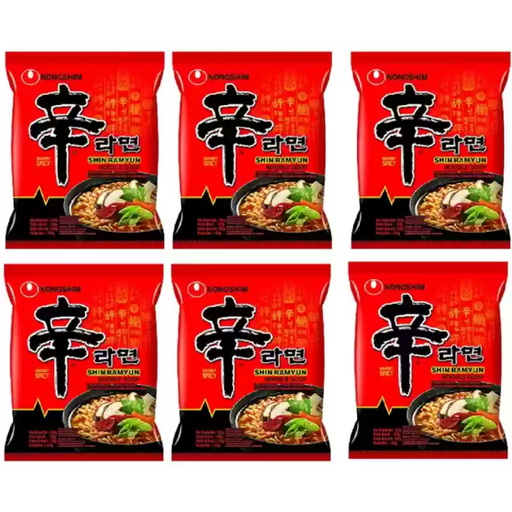
Why This Fits Their Persona: A six-sachet pack is a practical way to try Korean instant noodles without committing to a large stockpile. According to the product information, the noodles are ready in approximately 4.5 minutes.
The pack size, weight per sachet and required 550 ml of water are specified, allowing you to compare serving size and preparation requirements in advance.
Six 120 g servings; Korean chilli, garlic and savoury flavour profile; ready in approximately 4.5 minutes.
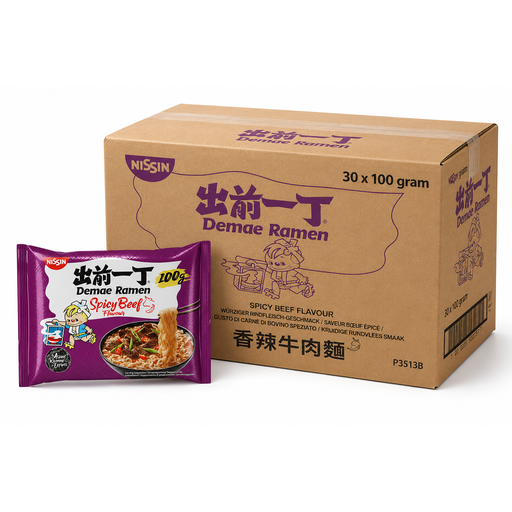
Why This Fits Their Persona: These noodles are a good fit for anyone who regularly wants to prepare a quick Japanese-style ramen meal at home, in the office or from a shared stockpile.
The box specifies 30 sachets of 100 g each and a preparation time of 3 minutes. This makes it easier to compare bulk buying with smaller multipacks.
30 individual servings; seasoning powder and flavour oil included; instructions call for standing for 3 minutes.
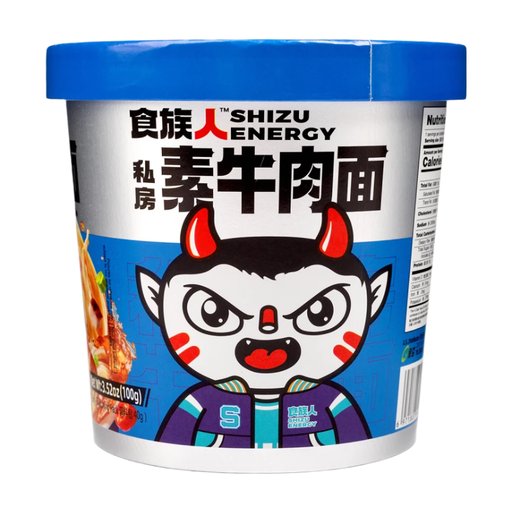
Why This Fits Their Persona: A practical choice for anyone looking for plant-based instant noodles and keen to check the ingredients list carefully. The product information lists soy protein, vegetables and sesame oil.
The product information explicitly identifies wheat, soy, gluten and sesame. If you follow a vegan diet, always check the current packaging.
100 g per pack; vegetable sachet included; instructions call for 400 ml of boiling water and 4 to 5 minutes of standing time.
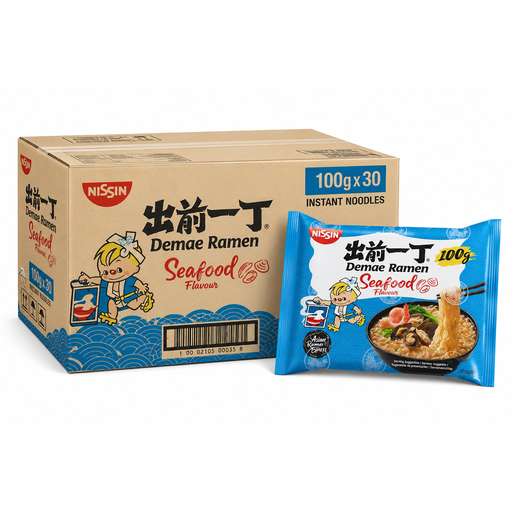
Why This Fits Their Persona: This bulk pack suits households, offices and business buyers who regularly want to serve seafood ramen and have sufficient dry storage space.
The box specifies 30 sachets, a total weight of 3 kg and allergens including fish, crustaceans, molluscs, soy, wheat and sesame.
30 servings of 100 g; seafood flavour with sesame aroma according to the product description; ready in approximately 3 minutes.
Explore a current selection of instant noodles in different flavours, serving sizes, brands and pack formats. Check the latest product information and label before ordering.
Instant noodles are usually just the starting point. You can enhance the meal with ingredients you already have at home:
Unopened instant noodles are dry products and can often be stored for an extended period. The exact date is printed on the packaging. Store them in a cool, dry place away from direct sunlight. After purchasing, also check for any differences between the online product information and the current label.
This varies by product. Nongshim Soon Veggie Ramyun and Shizu Energy Vegan Beef Noodles are positioned as vegetarian or plant-based, but always check the ingredients, allergens and any cross-contamination warning. A beef flavour or image of vegetables is not, by itself, sufficient proof.
Calculate the price by dividing the total product price by the number of sachets or cups. Then compare the weight per serving as well. A 30-pack may offer a lower price per sachet, while a smaller pack may be more suitable if you want to try different flavours or have limited storage space.
