
Vandaag of morgen in huis

Kwaliteit gegarandeerd

Welkomstaanbiedingen ontgrendelen: GRATIS bezorging | Tot 80% korting | Gratis 30 dagen JoyPlus-proefperiode
Download de app
Instant noodles are handy for a quick meal, an office cupboard or a commercial kitchen that needs to prepare several portions quickly. However, Japanese noodles, Asian noodles, instant ramen and udon noodles can vary significantly in preparation, flavour, size and shelf life. A low price per pack therefore does not always tell the whole story.
Pay particular attention to these three common pitfalls:
Cups and sachets are convenient for individual use. For example, the Oyakata Instant Noodles Jap. Chicken Teriyaki Cup 96g is a ready-to-eat cup with chicken teriyaki flavour. For families, offices and catering businesses, noodles in bulk packaging are more practical. A box containing 30 sachets can reduce the price per portion, but it does require enough dry storage space.
As well as the number of packs, pay attention to the net weight per portion. A box containing 30 sachets of 79 grams contains a different amount per portion from a box containing 30 sachets of 100 grams. Always compare the total weight and the price per 100 grams.
Not every quick meal is prepared in the same way. Many instant ramen products take around three minutes once boiling water has been added. Other products need to be boiled or heated in the microwave.
So check:
With fresh udon, such as SUKI Udon Noodle, a slightly sour smell or taste may be normal because of acidity regulators. According to the product description, rinsing the noodles before cooking may help to reduce this taste. Always follow the instructions on the packaging, as the recipe and preparation method may change.
Wheat and gluten are found in many ramen noodles and udon products. Soy, sesame, fish, crustaceans, milk, egg or celery may also be present. Extra care is important with spicy noodles featuring a seafood flavour. ACECOOK Siu Kay Seafood Spicy, for example, lists ingredients such as prawn, fish and squid extracts.
Also check the salt content. This varies considerably between products. Hikari Miso Restaurant Style Ramen, for example, lists 10.9 grams of salt per 100 grams in the nutritional information provided, while other udon products show much lower values. Use the product page and packaging as reference points, and do not base your choice on the flavour name alone.
If a brand makes claims about “authentic flavour”, “premium texture” or a particular effect, treat these as brand claims. According to the brand’s own research, such claims may be supported differently from the objectively stated ingredients, nutritional values and preparation method. For allergen information, always refer to the most recent packaging.
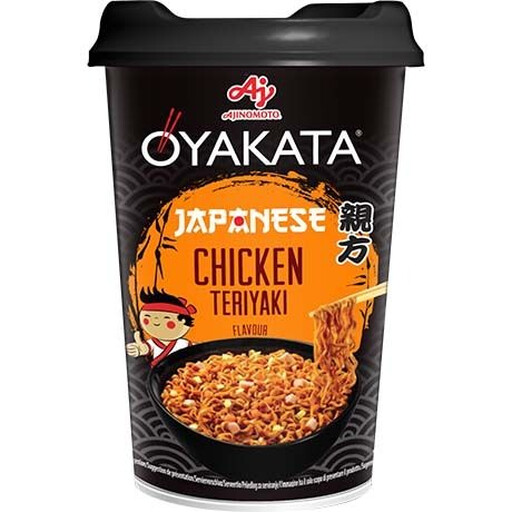
Why it suits this profile: The cup format is practical for students, offices and occasional use. There is no need to buy a large box.
The portion size and preparation format are immediately clear. This makes it less likely that you will buy more than you need.
96 grams per cup, chicken teriyaki flavour and a cup format for easy preparation.
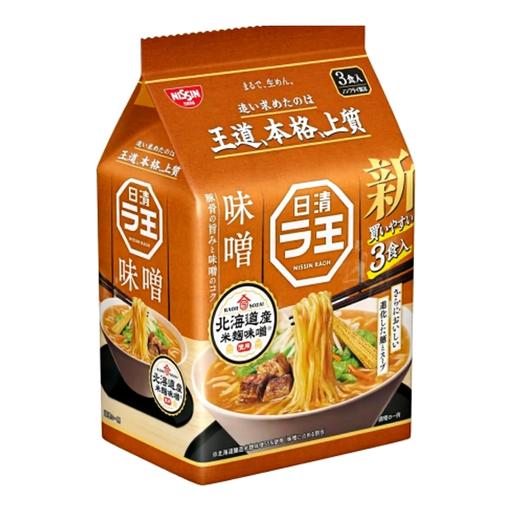
Why it suits this profile: This pack contains three portions and is ideal for those who pay more attention to the broth, noodle texture and an enjoyable meal at home.
The portion size is easy to understand, and the product information lists the ingredients in the miso broth and the wholegrain noodles.
297 grams per pack, three portions and miso flavour with ingredients including soy, sesame, chicken and pork.
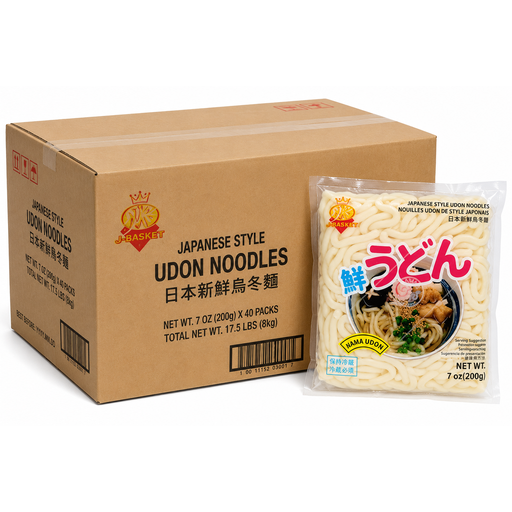
Why it suits this profile: The box of 30 individual portions is designed for catering, food service, large families and regular preparation.
The portions are individually packed. This makes stock management easier than with one large, opened pack.
30 portions of 200 grams, suitable for soups, stir-fries and cold noodle dishes.
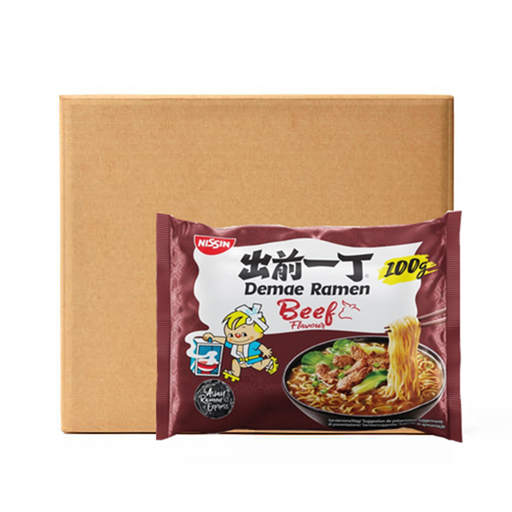
Why it suits this profile: The 30 individual sachets are suitable for families, sharing and keeping in stock for quick lunches.
The number of portions and the weight per sachet are clearly stated. This allows you to estimate the total stock and cost per portion in advance.
30 sachets of 100 grams, beef flavour and preparation in just a few minutes according to the product information.
We have compiled a complete, up-to-date list of products that fully meet these strict selection criteria and the applicable European safety regulations.
First, read the instructions on the packaging. With many ramen noodles, you add boiling water and then wait for around three minutes. Some varieties, such as cups, require a different amount of water. Add the seasoned oil, powder or sauce at the specified time.
The best-before date is printed on the packaging. Store dry products in a cool, dry place away from direct sunlight. Fresh udon should be stored according to the storage instructions. Do not use a product if its packaging is damaged, and check the additional instructions after opening.
That depends on the portion and ingredients. Many products consist mainly of noodles and seasonings. You can add ingredients such as vegetables, egg or a source of protein to a bowl, provided this fits your diet and allergies. Always check the ingredients and nutritional values first, especially with spicy noodles, miso ramen and varieties containing fish or shellfish.
