
Vandaag of morgen in huis

Kwaliteit gegarandeerd

Welkomstaanbiedingen ontgrendelen: GRATIS bezorging | Tot 80% korting | Gratis 30 dagen JoyPlus-proefperiode
Download de app
A quick meal needn’t be complicated. With instant noodles, you can have a bowl of soup, ramen or a spicy snack on the table in just a few minutes. Yet there’s plenty of choice, from Asian instant noodles and Korean ramen to Thai noodles, cup noodles and large packs for the office or catering.
The front of a pack doesn’t always tell the whole story. Pay particular attention to these common pitfalls:
For a mild, simple snack, chicken-flavour noodles or classic oriental noodles are often a better choice. If you’re looking for a spicy broth, consider Korean ramen such as Shin Ramyun or kimchi noodles. Thai noodles often have a sour and spicy profile with lime, chilli or prawn flavour.
Pay attention to the difference between:
The stated flavour is a useful indication, not a guarantee of a particular amount of animal-derived ingredients. According to product information from various brands, flavourings, soy sauce, fish extract or aromas may be part of the recipe. Always check the latest ingredients list.
Portions in this range are often around 60 to 140 grams, depending on the brand and product type. A smaller pack is suitable as a snack or light meal. A 120- or 130-gram pack may be a better fit if you want to prepare one bowl without adding extra ingredients.
For different situations:
Don’t just compare the number of packs; also check the weight per portion. A box with 30 sachets of 60 grams isn’t directly comparable with a box containing 20 sachets of 120 grams.
Instant noodles often contain wheat and gluten. Depending on the flavour, they may also contain soya, milk, fish, crustaceans, celery, mustard or sesame. Vegetarian instant noodles aren’t automatically vegan: check the pack for milk, fish extracts and other animal-derived ingredients.
The nutritional values also deserve attention. In the product information provided, salt levels vary from one product to another. Some Korean ramen products list around 4.8 to 5.6 grams of salt per 100 grams, while other varieties contain less. Use the nutrition table as a comparison point, and don’t automatically add the entire seasoning sachet if you prefer a milder broth.
Always follow the label for the amount of water and preparation method. Products can differ: some are boiled for four to five minutes, while others are covered with boiling water for three to four minutes. Also check the best-before date, storage instructions and packaging before using the product.
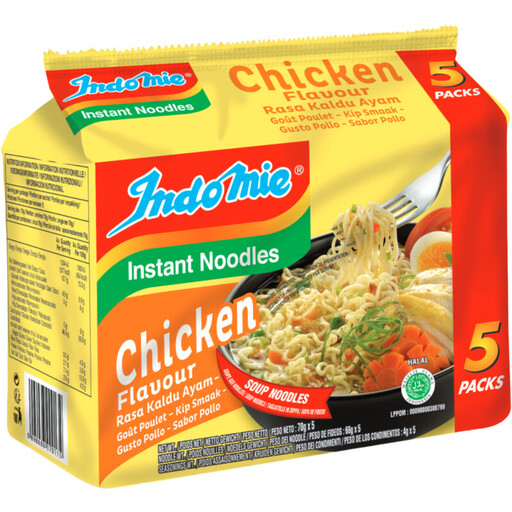
Why it suits this profile: This pack contains five 70-gram portions, making it a manageable choice for anyone who wants to try instant noodles without immediately buying a large box.
The smaller multipack reduces the risk of ending up with too much of a flavour that doesn’t suit you. However, always check the latest allergen information on the pack.
Five individual portions, chicken flavour and preparation that, according to the product information, is quick and simple.

Why it suits this profile: Ideal for fans of a hearty Korean broth with chilli, garlic and dried vegetables.
The pack states the portion size, preparation method and allergens. The flavour is clearly described as spicy, so you don’t have to rely solely on a generic ramen image.
20 portions of 120 grams, ready in around four to five minutes and suitable for adding egg, vegetables or meat.

Why it suits this profile: A great choice for fans of spicy instant noodles who are looking for a creamy carbonara flavour and firm noodles.
The product information clearly states the combination of chilli and carbonara. If you prefer less heat, you can adjust the amount of sauce; always check the ingredients and allergens.
Ten 130-gram portions, thick noodles and a separate powder mix containing milk and cheese ingredients.
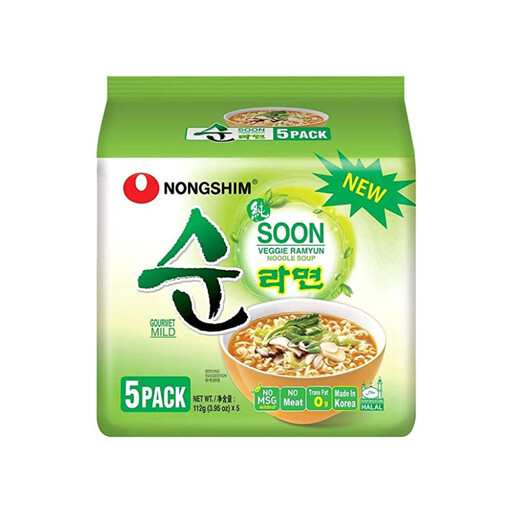
Why it suits this profile: This Korean variety is intended for anyone looking for a noodle soup without meat products and who enjoys adding dried vegetables.
The product description states that it has vegan certification, but you should still check the latest packaging and allergen information before buying.
Five 112-gram portions with vegetable powder, dried Chinese cabbage and carrot, according to the product information.
We’ve put together a complete, up-to-date list of products that fully meet these strict selection criteria and the applicable European safety regulations.
It depends on the pack. For soup noodles, you usually cook the noodles for a few minutes in water with the seasoning powder. Other varieties are covered with boiling water in a bowl and left covered for a few minutes. With dry ramen, you often drain the water before adding the sauce. Always follow the preparation instructions on the label.
The best-before date is shown on the pack. Store unopened instant noodles in a cool, dry place away from direct sunlight. Don’t use any pack that is damaged. Once prepared, noodles are best eaten straight away; don’t keep a prepared portion at room temperature for an extended period.
They’re designed as a quick meal or snack and can be prepared in just a few minutes. For more variety, add vegetables, egg, tofu or another permitted topping. If you have allergies, follow a vegetarian diet or have specific dietary requirements, always check the ingredients list and the latest information on the pack.
