
Livraison le jour même et le lendemain

Qualité garantie

Débloquez vos offres de bienvenue: Livraison GRATUITE | Jusqu'à -80 % | 30 jours d'essai gratuits à JoyPlus
Téléchargez l'application
A pack of instant noodles seems like a simple purchase. Yet Korean ramen, Chinese instant noodles and Thai noodles can differ considerably in preparation, portion size, texture and heat level. An eye-catching package also does not always tell you how much seasoning it contains, which allergens are present or how practical it is to store.
For students, fans of spicy food and households looking to stock up, three pitfalls are particularly important:
Do not just look for “bulk pack”; note the number of servings and the weight per serving. For example, a box of 20 × 120 grams contains 2.4 kilograms of product. This is relevant when filling your cupboard, buying for a student house or using noodles in food service.
A bulk pack of instant noodles is particularly practical when you already know you like the flavour. For a first purchase, a pack of five sachets may be a wiser choice. This prevents you from being left with a large supply that turns out to be too spicy or too salty.
Wheat noodles are common in Korean ramen and many Chinese instant noodles. Rice noodles, such as those used in some Thai noodles, generally have a different texture. Also pay attention to the preparation method:
The preparation time stated in the product information varies from approximately three to six minutes. Always follow the instructions on the packaging, as the amount of water and the order in which the seasonings are added vary from one product to another.
Check the ingredients list before buying. The products mentioned below include gluten, wheat, soya, sesame, peanuts, milk, celery, egg, fish and shellfish, among other ingredients. Anyone with an allergy or intolerance should check the current packaging, as product information on a website may change.
Also note the difference between broth and sauce. A sauce variety often contains oil and concentrated flavourings, while a soup variety uses more water. The nutritional values on the packaging are therefore not directly comparable. Use the information per 100 grams and per serving when comparing several options.
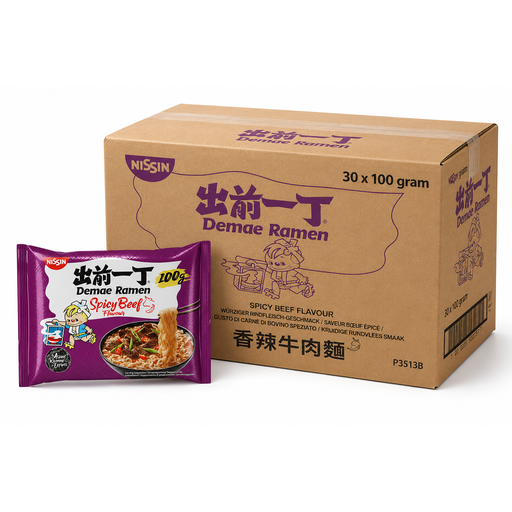
Why it suits this profile: The box contains 30 100-gram servings, making it suitable for anyone who regularly needs a quick meal.
The number of sachets and the weight of each sachet are clearly stated. According to the product description, preparation takes approximately three minutes.
Contains a seasoning powder and separate flavour oil; the noodles have a firm texture. Contains wheat and soya.
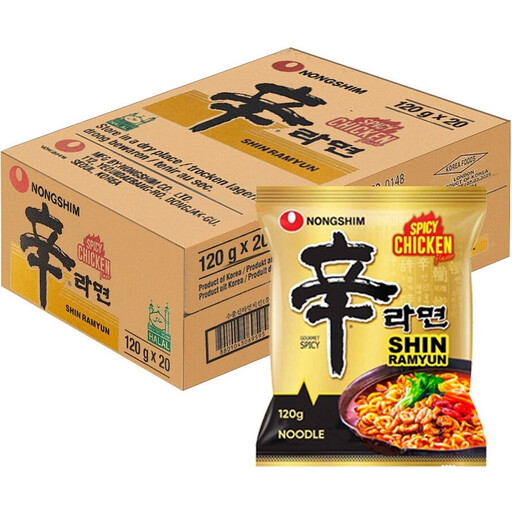
Why it suits this profile: This Korean ramen combines wheat noodles with a spicy broth and dried vegetables, making it ideal for anyone who prefers a fuller soup.
The box contains 20 individual 120-gram packs. The product information clearly states that the flavour is spicy and that gluten and soya are present.
20 servings; preparation in approximately four to five minutes; contains dried spring onion, carrot, mushroom and red chilli, according to the product description.
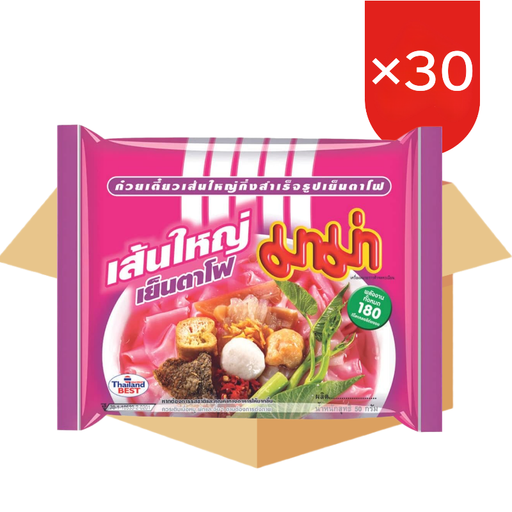
Why it suits this profile: The 30-serving pack is suitable for people stocking up and food service users who want to offer a distinctive flavour profile alongside standard ramen.
The weight is stated per sachet and for the pack as a whole. Preparation requires a fixed amount of hot water and a short cooking time of approximately two to three minutes.
Flat rice noodles; Yentafo-style flavour with sweet, sour and savoury notes according to the product description; 30 sachets of 50 grams.
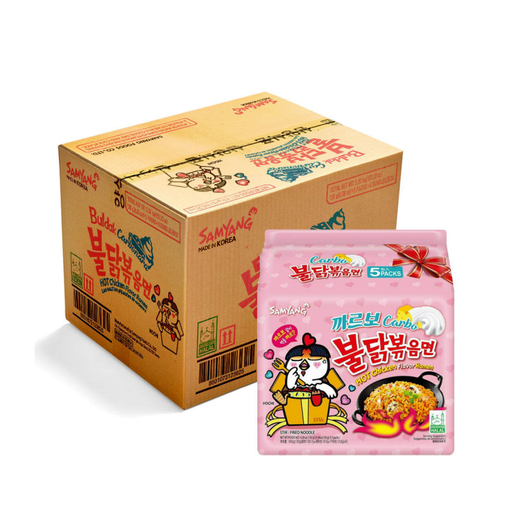
Why it suits this profile: The box of 40 packs is aimed at frequent users looking for a thick, creamy sauce and a distinctly spicy ramen profile.
The preparation instructions state that most of the cooking water should be drained, leaving approximately 120 ml. This keeps the sauce concentrated, although the heat level does require a considered choice.
130 grams per pack; combination of hot chicken flavour and carbonara-style sauce; 40 individual packs.
We have compiled a complete, up-to-date list of products that fully meet these strict selection criteria and the applicable European safety regulations.
It depends on the type. Soup noodles are usually cooked together with the seasoning powder. With dry noodles, cook the noodles first and drain the water before adding the sauce and oil. Always check the packaging for the correct amount of water and cooking time.
The best-before date is printed on the individual pack or the outer packaging. Store the products in a cool, dry place away from direct sunlight. Do not use a pack if it is damaged. When buying a bulk pack, it is sensible to use the older packs first.
Not automatically. The intensity of the chilli, oil and seasoning varies from one product to another. Choose a milder variety for children and do not let them handle hot broth or freshly boiled water unsupervised. Also always check the allergen information.
