
Vandaag of morgen in huis

Kwaliteit gegarandeerd

Welkomstaanbiedingen ontgrendelen: GRATIS bezorging | Tot 80% korting | Gratis 30 dagen JoyPlus-proefperiode
Download de app
Instant noodles are handy for a quick meal, a late-night snack or a well-stocked cupboard. But Asian instant noodles vary widely in flavour, preparation, heat, portion size and salt content. Eye-catching packaging doesn’t always tell you what you’re getting. If you only look at the brand or the discount, you could end up with a portion that’s too small, a flavour that’s much hotter than expected or a large pack that sits untouched at home.
Use this practical guide to compare ramen, wok noodles and stir-fried instant noodles on the points that really matter in a Dutch kitchen.
Flavour names give you an idea, but not a fixed level of intensity. A teriyaki variety may taste mainly sweet and savoury, while Korean ramen often contains more chilli. “Hot chicken” and “volcano” usually indicate a distinctly spicy flavour, but how hot it tastes depends on how much sauce you add.
So check the ingredients and preparation instructions. Some stir-fried instant noodles need to be boiled, drained and then mixed with the sauce. Others are meant to be eaten as soup.
A large pack can be handy for students, offices, food-service businesses or households that like to stock up. But check the net quantity per portion. An 80 g packet and a 140 g bowl aren’t directly comparable. Work out the price per portion and check how many individual packs you’ll actually receive.
Many instant noodles contain wheat, gluten, soya and sesame. Depending on the flavour, they may also contain milk, egg, fish, shellfish, celery or mustard. Always check the current packaging, especially if you have an allergy or intolerance. Online product information can change, so the packaging takes priority.
Also check the salt content per 100 g and per full portion. The products used as examples show how much this can vary: Nissin Soba Teriyaki lists 1.6 g of salt per 100 g, while some spicy varieties contain well over 3 g per 100 g. That’s why comparing products is more useful than looking at calories alone.
First, decide what kind of dish you want to make:
Check the cooking time, too. Many products are ready in around three to four minutes, but the exact amount of water and cooking time varies by pack.
For a snack, 80 to 100 g may be enough. If you’re making a meal with vegetables, egg or tofu, consider a larger portion or using several packs. A 110 g bowl is practical at the office, while individual packets take up less space in a small student room.
For stocking up, bulk packs of noodles can be a good option. Look for boxes of 12, 20 or 30. When buying larger quantities, check:
Choose according to when you’ll be eating and how well you handle chilli:
With sauce sachets, you can sometimes start by adding just some of the contents. This makes the dish easier to adjust, but check the instructions on the pack first.
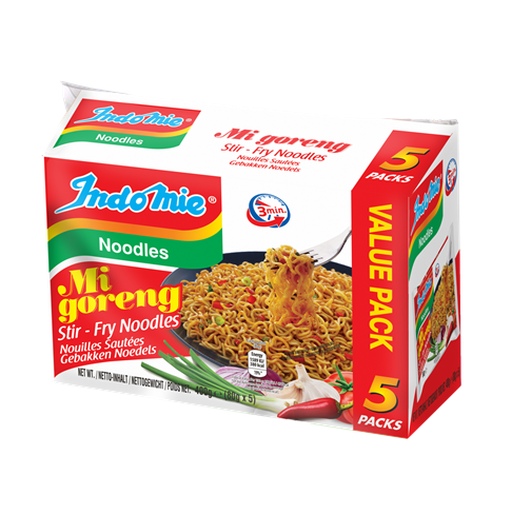
Why it suits this profile: A pack of five gives you several portions without committing to a large stock-up. The combination of oil, seasoning, sweet soya sauce and chilli powder is a good fit if you want to try stir-fried noodles.
The pack size is clear: five 80 g packets. That makes it easy to keep track of how much you have and work out the price per portion.
A dry preparation with no broth, five individual portions, and toppings such as egg, spring onion or vegetables are easy to add.
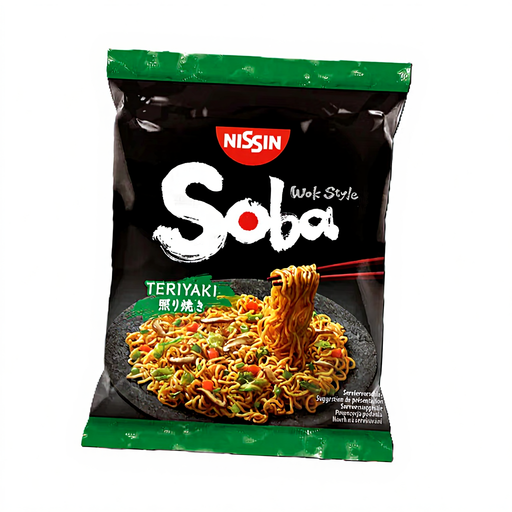
Why it suits this profile: This option combines a 110 g portion with a wok-style preparation and teriyaki sauce. It’s a good choice if you’re after a quick meal with a familiar Japanese flavour.
The product information clearly states that the soba is made from wheat. This avoids confusion with traditional buckwheat soba.
110 g per pack, teriyaki sauce and a stated salt content of 1.6 g per 100 g.
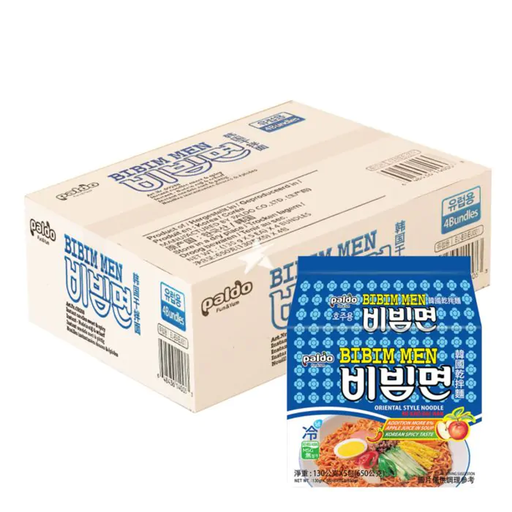
Why it suits this profile: The bulk pack of 20 portions is practical for an office, food-service business, retailer or household that regularly eats Korean ramen.
The instructions clearly explain that the noodles are boiled, rinsed in cold water and mixed with sauce, without soup.
130 g per portion, 20 packs and a preparation method suited to a cold, sweet-and-spicy noodle dish.
We’ve put together a complete, up-to-date list of products that meet these strict selection criteria and the applicable European safety regulations.
Use the pack as your starting point, then make it your own:
Bear in mind that some products, such as Nongshim noodles, Paldo noodles and Japanese ramen, may have different preparation methods within the same brand. So check the specific product, not just the brand name.
The exact date is printed on the pack. Store unopened products according to the instructions, usually in a cool, dry place away from direct sunlight. Don’t use a pack if it’s damaged. If you’ve bought a large pack, it’s a good idea to use the oldest portions first.
That depends on the portion size and what you add. Many varieties mainly contain noodles and flavourings. Add vegetables, egg, tofu or another source of protein to make a more filling dish. When comparing products, check the nutritional information per 100 g and per pack.
Ramen noodles are often eaten in broth, while wok noodles are usually boiled or heated, then mixed with sauce and other ingredients. The product name doesn’t always tell the whole story; the preparation instructions on the pack are the best guide.
