
Vandaag of morgen in huis

Kwaliteit gegarandeerd

Welkomstaanbiedingen ontgrendelen: GRATIS bezorging | Tot 80% korting | Gratis 30 dagen JoyPlus-proefperiode
Download de app
A pack of instant noodles might seem like a simple choice. Yet products vary widely in flavour, preparation, portion size, allergens and salt content. An attractive packet tells you very little about what’s actually inside. If you only look at the brand name or the price, you could end up with a portion that’s too small, a flavour that doesn’t suit you, or a bulk pack that goes unused before its time.
This buying guide will help you compare with confidence. Whether you’re looking for Indomie instant noodles, Mi Goreng noodles, Thai noodles or rice vermicelli, start by checking the specifications and matching the size to how you’ll use them.
A box of 30 sachets might look appealing for a household, office or shop. But always work out the price per portion and check the net weight. For example, a pack of 30 x 79 g contains 2.37 kg, whereas individual sachets often weigh 55, 70, 75 or 80 g. So don’t just compare the number of sachets.
Also, take note of the best-before date on the packaging. Stocking up only makes sense if you eat noodles regularly.
“Chicken”, “shrimp”, “beef” or “Tom Yum” describes the flavour profile, but not necessarily how much meat, fish or shellfish is actually in there. Check the ingredients list and allergen information. Some products contain wheat, soya, fish, milk, sesame, celery or shellfish, for example.
With shrimp noodles, it’s especially important to check whether the product contains shrimp powder, flavouring, or both. The exact recipe varies by brand and import version.
Mi Goreng noodles are usually drained after soaking and then mixed with oil, spices, sweet soy sauce and chilli. Ramen noodles and soup noodles, on the other hand, stay in the broth. Rice vermicelli may need a different soaking time and amount of water.
So always follow the instructions on the packet. Use boiling water carefully and check that all the sachets are intact before you start.
The base determines the texture and how you use them:
For a quick meal for one, sachets of around 55 to 80 g are standard. A 5-pack is handy for trying different flavours or building a small stash. Bulk-pack noodles make more sense for families, offices, catering businesses and Asian supermarkets.
Look out for these details:
Instant noodles are designed as a convenient meal or snack. Nutritional values vary by flavour and brand. In the product information provided, values range from around 365 to 500 kcal per 100 g and from roughly 2 to 7 g of salt per 100 g. Always use the current packaging as your guide, because labels can differ by market or import version.
If you’re looking for a product to use regularly, you can add vegetables, egg or a source of protein to the noodles. That doesn’t change the nutritional values on the label, but it does make the meal more varied for many people.
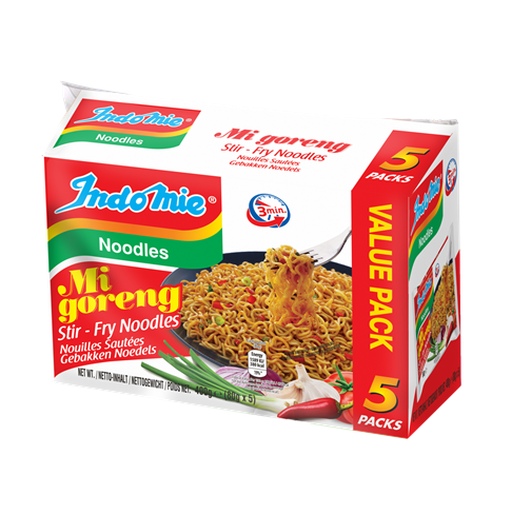
Why it fits this profile: A 5-pack of 80 g is a manageable way to try Mi Goreng noodles without committing to a whole box straight away.
The number of sachets and the weight are clearly stated. The preparation is different from soup noodles: after soaking, you drain the water.
5 x 80 g; seasoning powder, oil, sweet soy sauce and chilli included; made in Indonesia according to the product information.
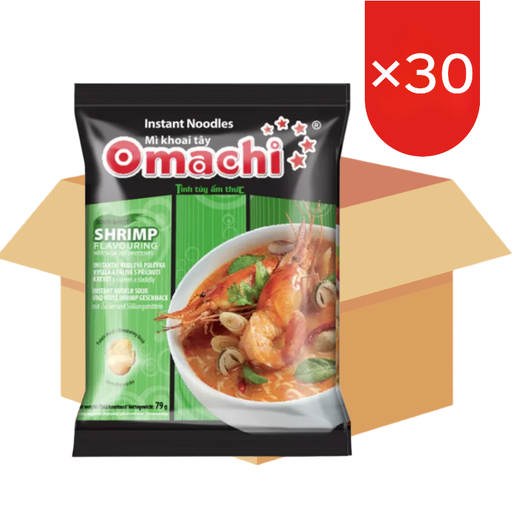
Why it fits this profile: The combination of potato starch in the noodle base, an individual portion and a box of 30 suits shoppers who care about texture and stocking up.
The box states 30 x 79 g, so there’s no confusion between the number of packs and the total weight. Allergens such as wheat, fish and soya are listed in the product information.
30 individual portions; 79 g per pack; preparation with around 400 ml of boiling water and roughly 3 minutes’ waiting time.
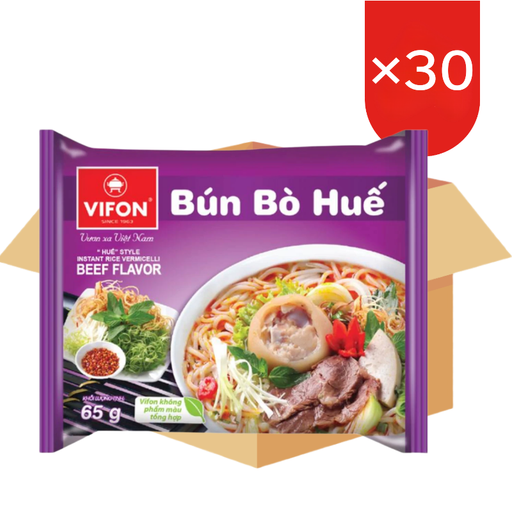
Why it fits this profile: This bulk pack is practical for offices, catering, families and shops that need a regular Vietnamese meal option.
It’s clearly a rice-based noodle product, not the same as wheat ramen. The product information also lists fish and prawns among the allergens.
30 x 65 g; Vietnamese Beef Hue style; guideline of 400–500 ml water and 3–4 minutes’ preparation time.
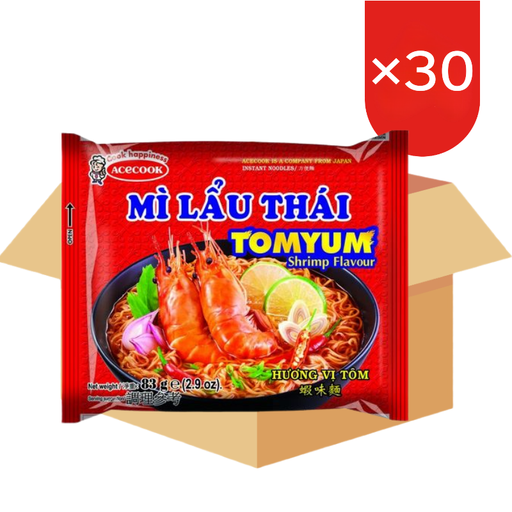
Why it fits this profile: A box of Tom Yum noodles is ideal for fans of a sour, aromatic and spicy Thai flavour, and for regular consumption.
The box size and preparation time of around 4 minutes are stated. The product information lists soya and prawns as allergens.
30 packs of 83 g; Tom Yum Shrimp flavour; chilli can be adjusted to taste according to the product description.
We’ve put together a full, up-to-date list of products that fully meet these strict selection criteria and comply with current European safety regulations.
A few simple additions can turn a quick meal into a more varied bowl:
Always check the label again with every purchase, especially if you choose a different import version. Product information, ingredients and allergens can vary from pack to pack.
The specific best-before date is printed on the packaging. Store the sachets according to the instructions in a cool, dry place, and don’t use any pack that is damaged or leaking. With bulk packs, it’s a good idea to use the oldest box first.
They are designed as a quick meal or snack. The composition varies by product. If you want a more substantial meal, you can add vegetables, egg, tofu or another topping. Always check the allergens and nutritional values on the label.
Mi Goreng noodles are typically mixed dry with sauce and spices. Ramen noodles are usually served in broth. Rice vermicelli uses rice as its main base and has a different texture from wheat noodles. The preparation instructions on the pack will tell you which method to follow.
