
Vandaag of morgen in huis

Kwaliteit gegarandeerd

Welkomstaanbiedingen ontgrendelen: GRATIS bezorging | Tot 80% korting | Gratis 30 dagen JoyPlus-proefperiode
Download de app
The instant noodle aisle can be overwhelming. Dozens of colourful packages promise a quick, tasty meal. But anyone who buys noodles often knows that reality can sometimes be disappointing. A purchase can easily lead to disappointment if you don't know what to look for.
Common pitfalls are easy to fall into. For instance, a package might promise an "authentic Asian flavour," while the contents are little more than a generic, salty broth powder. Another mistake is an unclear spice level indicator, leaving you with a meal that's either too mild or far too intense. Finally, there's the classic error: using soup noodles for a stir-fry, resulting in a mushy texture. This guide will help you avoid these mistakes and make the right choice.
To make a good choice, it's helpful to understand three core elements of instant noodles. These specifications determine the flavour, texture, and the final eating experience.
Not all noodles are created equal. Most instant noodles are made from wheat, but the production method varies.
The thickness and shape (round, flat) of the noodle affect how well the sauce or soup is absorbed. For a rich, thick sauce, a thicker noodle is often a good match.
The seasonings define the character of the meal. Pay attention to the form they come in: a sachet of powder, a liquid paste, or a flavoured oil. A paste or oil often delivers a deeper and more layered flavour than powder alone.
The country of origin provides a good indication of the expected flavour profile:
Always check the recommended preparation method on the packaging.
Based on clear product features and different use cases, we have highlighted a few popular choices.
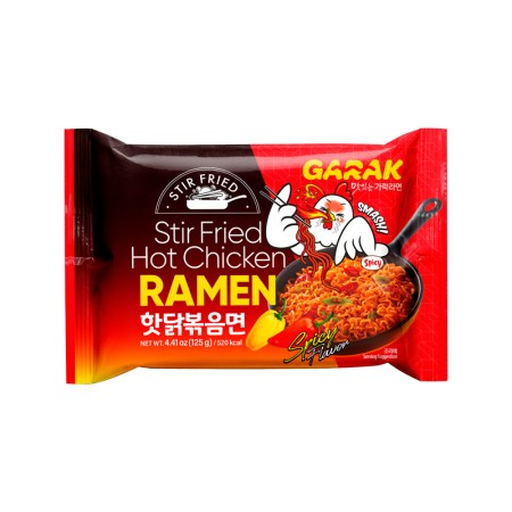
Why This Fits Their Persona: Perfect for those who want to take on the popular and intense 'hot chicken' challenge. These Korean noodles are specifically designed for lovers of serious heat.
The 'hot chicken' flavour is a specific, well-known standard of heat, not a vague 'spicy' claim. The packaging clearly indicates it's a stir-fry noodle, preventing any preparation confusion.
Firm, thick noodles that hold the sauce well. The sauce is a paste, which delivers a rich and layered flavour.
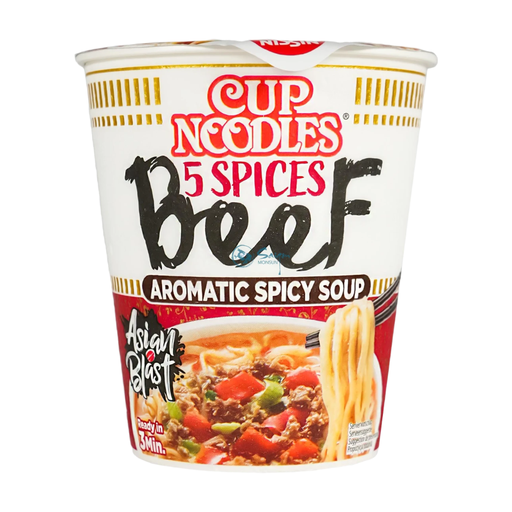
Why This Fits Their Persona: Ideal for students, a quick office lunch, or anyone wanting a hot meal without cookware or cleanup. Convenience is paramount here.
As cup noodles, the preparation method is unmistakable: just add hot water and wait. There's no risk of a mushy meal from improper draining. The flavour is a classic, recognisable 5-spices beef.
All-in-one packaging, including dried vegetables. Ready to eat in 3-5 minutes. Nissin noodles are an established brand known for consistent quality.
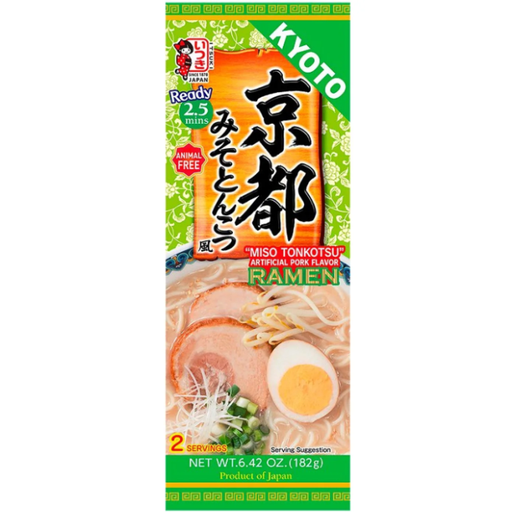
Why This Fits Their Persona: For the foodie seeking a more refined, restaurant-quality ramen experience at home. This product focuses on a specific, authentic Japanese flavour.
This product goes beyond a generic flavour by offering a specific regional style: Kyoto Miso Tonkotsu. The flavour base is a miso powder combined with oils, creating a deeper, more complex broth than powder alone.
Features non-fried, straight noodles for a more authentic texture and bite. The flavour is layered and umami-rich, characteristic of high-quality Japanese ramen.
Now that you know what to look for in noodles, you might want to perfect your meal even further. A quality broth or topping can make all the difference.
The easiest way to elevate your instant noodles is by adding fresh ingredients. A soft-boiled egg, some finely chopped spring onions, a sheet of nori (seaweed), strips of omelette, or some leftover vegetables can transform a simple meal. Also, be careful not to overcook the noodles; cooking them for a few seconds less than instructed can prevent a mushy texture.
While there are many variations, a general trend exists. Japanese ramen often emphasizes the complexity and depth of the broth, with flavours like miso, shoyu (soy sauce), and tonkotsu. The noodles are often thinner and can be either wavy or straight. Korean noodles, on the other hand, are more often known for their firm, thick, and chewy noodles and their bold, often spicy sauces and soups based on ingredients like kimchi or gochujang.
Not necessarily 'worse', but different. Cup noodles offer maximum convenience: you only need hot water and no extra bowls or pans. This is ideal for on-the-go or at the office. Packet noodles offer more flexibility. You can control the cooking time more precisely and have more room to add your own ingredients. Furthermore, packets sometimes contain non-fried noodles, which have a different texture. The choice depends on your priority: convenience or culinary freedom.
