
Vandaag of morgen in huis

Kwaliteit gegarandeerd

Welkomstaanbiedingen ontgrendelen: GRATIS bezorging | Tot 80% korting | Gratis 30 dagen JoyPlus-proefperiode
Download de app
Instant noodles are ideal for a quick meal, a late-night snack or keeping in the cupboard for busy days. However, Asian noodles can vary considerably in flavour, preparation, portion size and allergens. Eye-catching packaging or claims about an “authentic” taste do not always tell you enough about what you are actually buying.
Use these practical selection points to compare Korean instant noodles, ramen noodles and other varieties more effectively. This helps you avoid buying a multipack that is too spicy, unsuitable for your diet or inconveniently large for your household.
Spicy ramen is popular, but the intensity can vary considerably from one product to another. Samyang Buldak ramen, for example, combines a concentrated sauce with chilli, while a soup variety such as Shin Ramyun has a flavoursome broth. “Spicy” does not necessarily mean the same thing in every product.
If you have little experience with Korean ramen, it may be better to start with a mild variety such as Ottogi Jin Ramen Mild. Also check whether you need to use the entire sauce or seasoning sachet. With some products, you can adjust the amount to suit your taste.
A multipack of instant noodles may seem appealing, but always compare:
A box containing 20 portions is practical for a large household or frequent user, but less suitable if you want to try different flavours. For a first purchase, a pack of five is often easier to manage.
Noodles with a beef flavour do not automatically contain large amounts of beef. Check the ingredients list and the quantitative ingredients declaration. For example, Bai Xiang Classic Spicy Beef Flavor states a beef content of 5%.
Also look out for allergens such as wheat, gluten, soya, milk, eggs, fish, crustaceans, mustard and sesame. Recipes and packaging may change. Always check the label on the packaging you receive before use, particularly if you have an allergy or intolerance.
A packet weighing 100 to 130 grams is generally intended as one portion, but appetites and preparation methods vary from person to person. Check whether the product is prepared as a soup or as dry, stir-fried noodles.
For many varieties, the stated preparation time is around four to five minutes. Treat this as a guide and follow the instructions on the packaging.
The type of flavour base determines the eating experience:
According to the product description, Samyang Hot Chicken Carbonara combines a spicy chicken-style flavour with a creamy carbonara-style seasoning mix. The ingredients include milk and soya, among others. You should therefore always compare the term “suitable for vegetarians” in the product information with the current ingredients and allergen information.
Compare nutritional values on the same basis: per 100 grams. This prevents a small portion from appearing more favourable than a larger one. Pay particular attention to:
The values can differ considerably. Bai Xiang Classic Spicy Beef Flavor lists 418 kcal and 4 grams of salt per 100 grams, while Uni-President Braised Beef Flavor lists 500 kcal and 2.3 grams of salt. These are product details, not an assessment of whether a product is suitable for your diet. Check the label for the most up-to-date information.
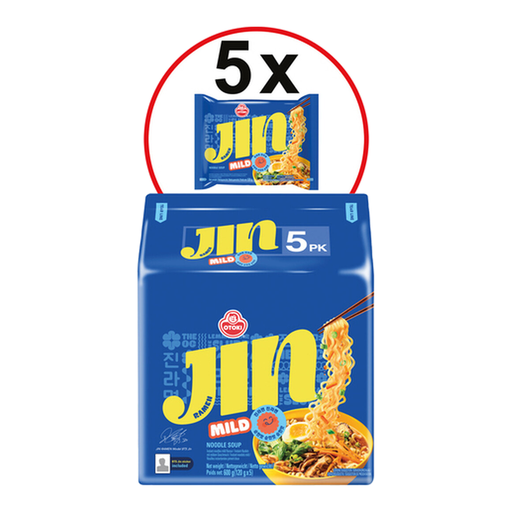
Why it suits this profile: The pack contains five 120-gram portions and has a mild flavour. This makes it an easy introduction to Korean instant noodles without committing to a large box.
The mild variety reduces the risk of buying something that is too hot. However, check the ingredients, as the product contains wheat and soya.
Five individual packets, 120 grams per portion and a quick meal preparation method.
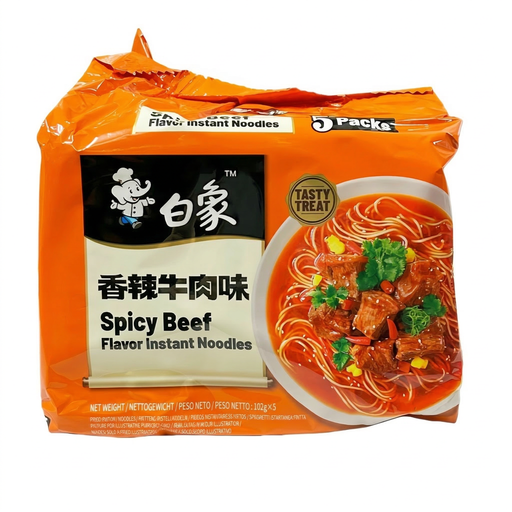
Why it suits this profile: The product description mentions a firm, smooth texture and a non-fried noodle block. The five 102-gram packets are suitable for anyone who deliberately compares portions and specifications.
The stated beef percentage and nutritional information provide more useful detail than simply relying on the flavour name on the front.
102 grams per packet, five portions, non-fried noodles according to the product description and a beef flavour.
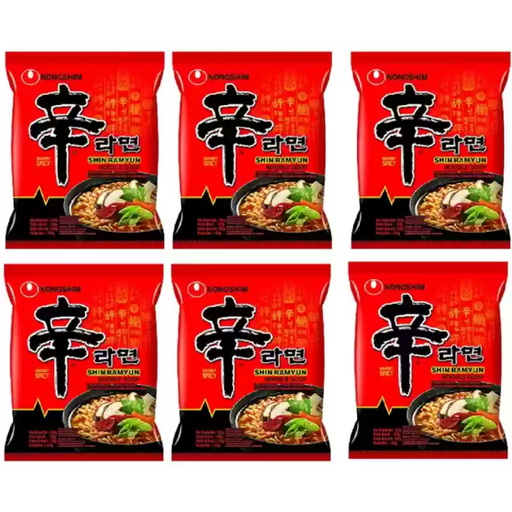
Why it suits this profile: This pack contains six 120-gram packets and requires approximately 550 ml of water and 4.5 minutes of preparation time. It is a good choice for regular ramen eaters who want to keep a reliable supply in the cupboard.
The preparation instructions and allergens are clearly stated. The packaging also warns that the contents are very hot, so take care when handling boiling water.
Six 120-gram portions, preparation in approximately 4.5 minutes and a spicy Korean ramen style.
We have put together a complete, up-to-date list of products that fully meet these strict selection criteria and the applicable European safety regulations.
A packet of instant noodles can easily be enhanced with ingredients from the supermarket. Try adding spring onions, pak choi, mushrooms, sweetcorn or a boiled egg. With dry noodles, a small amount of sesame oil or an extra portion of vegetables works well. If you are choosing vegetarian instant noodles, check that the broth does not contain fish, crustaceans or animal-derived flavourings.
Store unopened packets in a cool, dry place, away from direct sunlight and moisture. Do not use a product if its packaging is damaged. The best-before date is shown on the packaging; check on delivery that it is suitable for your expected rate of use.
Follow the instructions on the packaging. For many soup varieties, add the noodles and seasoning to approximately 500 to 550 ml of boiling water and cook for four to five minutes. Cup noodles are usually filled with boiling water and covered for a few minutes. Always check the specified amount of water and preparation time.
The shelf life is shown on the individual packet or outer box. Store the noodles unopened in a cool, dry place away from direct sunlight. Once prepared, they are best eaten straight away. If the packaging is damaged, it is advisable not to use the product.
It depends on the flavour. Some products are described as vegetarian or plant-based, while other varieties contain fish, crustaceans, chicken-style flavourings, milk or egg. Always read the current ingredients list and allergen information, rather than relying solely on the product name or image.
