
Vandaag of morgen in huis

Kwaliteit gegarandeerd

Welkomstaanbiedingen ontgrendelen: GRATIS bezorging | Tot 80% korting | Gratis 30 dagen JoyPlus-proefperiode
Download de app
A warm bowl of instant noodles is a handy option for students, busy working days and small households. However, cup noodles, ramen noodles and instant noodle soup can vary considerably in portion size, flavour, ingredients and preparation method. A low price doesn’t always mean they’re convenient to use, either.
So, look out for these three common pitfalls:
A cup weighing around 67 to 107 grams is usually intended as a single portion. Check whether the nutritional values are given per 100 grams or per whole pack. There can be a big difference. Some products, for example, contain around 430 to 449 kcal per 100 grams, while a pack may weigh more than 100 grams.
It’s also worth checking the salt content. For example, a NongShim cup lists 1,200 mg of sodium in its nutritional information. Depending on the variety, Bai Xiang products list, among other figures, 4.2 grams of salt per 100 grams or 1,900 mg of sodium per 100 grams. Always follow the information on the current packaging, as product details and recipes can change.
Also check the preparation instructions:
A cup noodles product is therefore most suitable if you have access to a kettle or hot water. You’ll often need a pan or electric ramen cooker to add raw ingredients, eggs or extra vegetables.
Chinese instant noodles, Korean instant noodles and other Asian instant noodles often contain wheat and soya. Some varieties also contain fish, crustaceans, egg, milk, mustard, peanuts or sesame.
According to the product information provided, Sunlee Tom Yum paste contains ingredients including lemongrass, chilli, kaffir lime, galangal, fish sauce and shrimp paste. This makes it suitable for Thai soup or as a flavour base for noodles, but less suitable for people who need to avoid fish, crustaceans or soya.
Always check the following before buying:
According to brands’ own product information, certain flavours or production batches may contain different ingredients. So don’t rely on an online description alone. The packaging takes precedence.
A capacity of around 1.6 litres is often practical for one person. A 2.0 to 2.6-litre model gives you more room for soup, vegetables, pasta or several portions. However, a larger pan also takes up more space on a desk or kitchen worktop.
Power mainly affects how quickly the appliance heats up:
Also look for low and high heat settings, boil-dry protection, overheat protection and a stable base. A non-stick coating can make cleaning easier, but it’s best to use wooden or silicone utensils. Also check that the model has an EU plug and that the instructions include clear safety guidance.
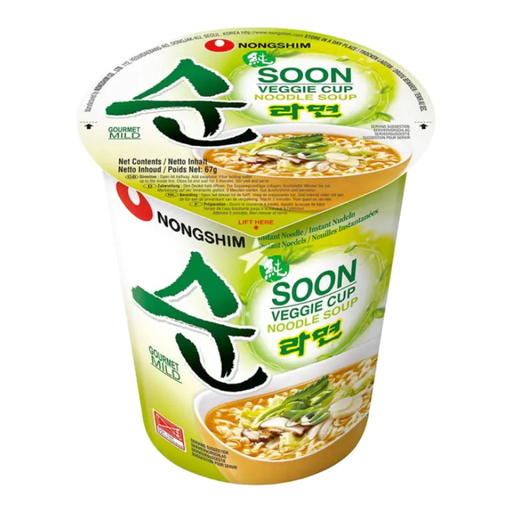
Why it suits this profile: A compact cup for anyone who wants to make a quick hot snack or light meal using only hot water.
The portion size, cup format and preparation method are clearly stated. Do check the current packaging for ingredients and allergens.
67 grams, Korean-style, prepared with hot water and suitable for home, the office or on the go.
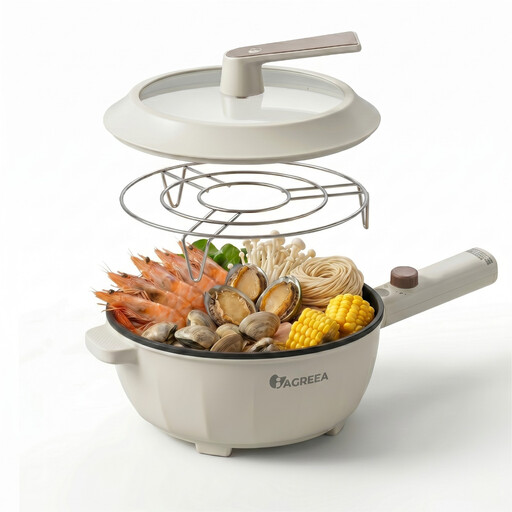
Why it suits this profile: Ideal if you want to use one appliance to cook, steam and stir-fry, as well as make soup and ramen.
The three settings of 600, 1,000 and 1,600 watts mean you don’t have to cook everything on the highest heat.
2.3-litre capacity, glass lid, non-stick coating and, according to the product description, boil-dry and overheat protection.
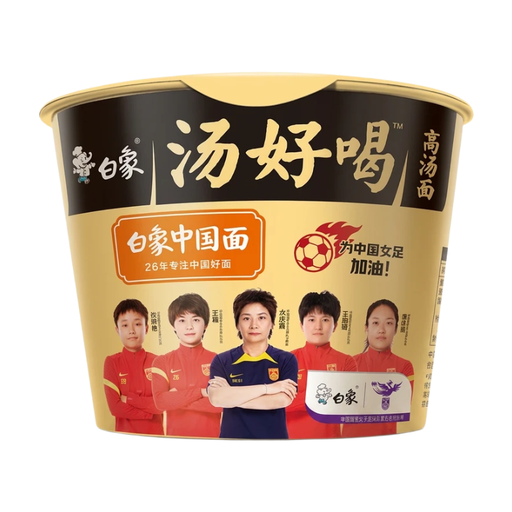
Why it suits this profile: A multipack for households, offices or fans of Chinese instant noodles.
The pack contains 12 cups, so you can compare the price per portion rather than looking only at the price of one pack.
12 portions of 107 grams, a spicy beef flavour and preparation with around 500 ml of boiling water, according to the product information.
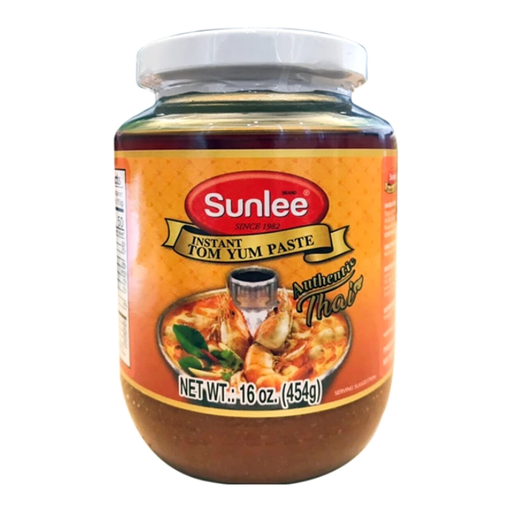
Why it suits this profile: For anyone who wants to give ordinary instant noodles a tangy, spicy Thai flavour base.
You choose how much paste to use and can mellow the flavour with water, stock, vegetables or noodles.
454 grams, suitable for Tom Yum soup, stir-fries, marinades and dips. Check for allergens such as fish, shrimp and soya.
We’ve put together a complete, up-to-date list of products that meet these strict selection criteria and the applicable European safety requirements.
Yes, they’re convenient when you’re short on time. However, a cup noodles product doesn’t always make a complete meal. You could add vegetables, egg, tofu or chicken, depending on your dietary preferences. Check the preparation time, too, and whether you’ll need an electric ramen cooker.
Unopened instant noodles can generally be kept until the date on the packaging, provided they’re stored somewhere cool and dry, away from direct sunlight. Always check the “best before” date, and don’t use packaging that’s damaged or damp.
Energy use depends on the appliance’s power and how long you use it. A 600-watt appliance uses around 0.3 kWh in theory when heating for thirty minutes; a 1,600-watt model uses around 0.8 kWh over the same period. In practice, the pan may switch to a lower setting or turn off, so actual energy use can vary. Follow the instructions and don’t use more power than you need.
