
Vandaag of morgen in huis

Kwaliteit gegarandeerd

Welkomstaanbiedingen ontgrendelen: GRATIS bezorging | Tot 80% korting | Gratis 30 dagen JoyPlus-proefperiode
Download de app
Instant noodles are handy for a quick meal, a snack at the office, or a store-cupboard staple for busy days. Yet instant ramen, Asian noodles and noodle soups vary greatly in flavour, portion size, preparation method and allergens. A striking packet or well-known brand name doesn’t always tell you what you’re actually buying.
With this practical buying guide, you can compare Korean ramen, Chinese instant noodles, Indonesian noodles and Thai instant noodles on verifiable features.
A large pack can lower the price per portion, but only if you actually enjoy the flavour. A box of 20 portions of Shin Ramyun, for example, is handy for a household with several ramen fans. For someone who likes variety, a 5-pack or single portions may be more practical.
So pay attention to:
Terms like spicy noodles, hot chicken or carbonara describe a flavour direction, but don’t indicate a standardised level of intensity. According to the product information, Samyang Buldak Carbonara combines a spicy chicken-like flavour with milk and cheese ingredients. That tells you something about the ingredients, but not exactly how spicy each person will find the noodles.
If you’re less used to strong flavours, start with a smaller pack or a variant with a milder flavour description. Don’t automatically add the whole sachet of seasoning to a noodle soup; this way you can adjust the taste gradually.
Instant ramen doesn’t always mean: just add boiling water. With Mi Goreng, you boil, drain and then toss the noodles with oil, sweet soy sauce and seasonings. Buldak ramen is typically prepared as a stir-fried noodle dish. Cup noodles have their own water level and waiting time.
Check before you buy whether you:
Korean ramen, such as Shin Ramyun and Buldak, are often described in product descriptions as having a spicy, piquant broth or sauce. Chinese instant noodles, like Uni-President and Bai Xiang, are available in flavours including braised beef and spicy beef. Indonesian noodles such as Mi Goreng are served without broth. MAMA from Thailand focuses on a sour and spicy Tom Yum style, among others.
So first choose between:
Always compare the nutritional information table per 100 grams and per pack. The values can vary between variants. In the available product information, energy values range from around 380 to 500 kcal per 100 grams, for example. The salt content also varies considerably.
That makes the packaging more important than general assumptions about a brand. Also look at:
Information on a website may differ from a later pack. So always read the label, warnings and preparation instructions before consuming.
Store instant noodles in a dry, cool place away from direct sunlight. Check on receipt that the packaging isn’t damaged. A sealed sachet protects the noodles and seasonings from moisture. Cup noodles are compact to use, while sachets often stack more efficiently in a store cupboard.
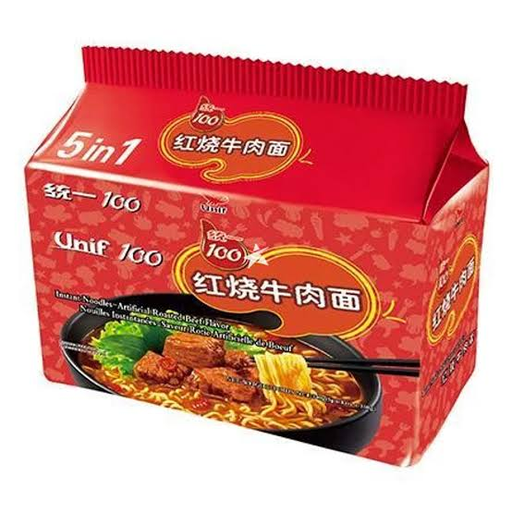
Why this suits the profile: A straightforward 5-pack with 100-gram portions is ideal for trying Chinese instant noodles without committing to a large box straight away.
The number of sachets, weight per portion and cooking time of around 5 minutes are clearly stated in the product information.
5 × 100 g, braised beef flavour and dried vegetables according to the product description.
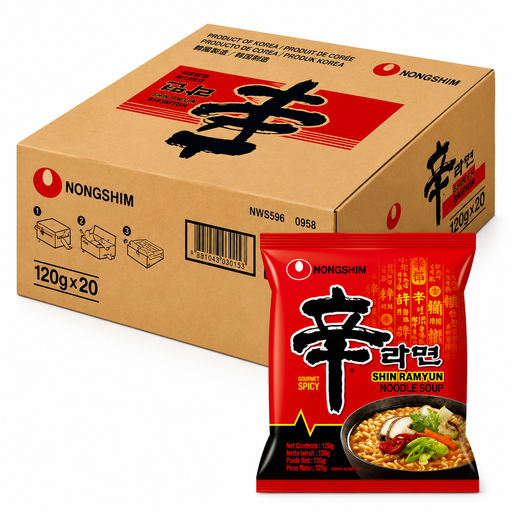
Why this suits the profile: This bulk buy is aimed at households that regularly eat Korean ramen and want a consistent, spicy flavour.
The packaging states 20 portions of 120 g and a cooking time of around 4 to 5 minutes, so you know exactly what you’re buying.
20 × 120 g, spicy broth with chilli, garlic and dried vegetables according to the product information.
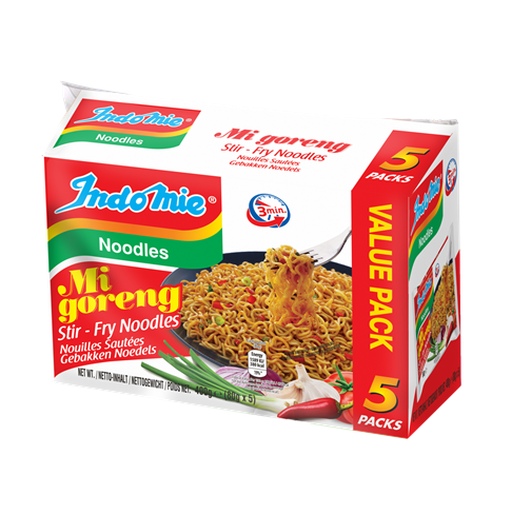
Why this suits the profile: Ideal for those who prefer dry, sweet-savoury Indonesian noodles over a bowl of broth.
The product information clearly explains that you boil the noodles, drain them, and then toss them with the included seasoning mix.
5 portions, sweet soy sauce, seasoning oil and chilli powder according to the ingredients list.
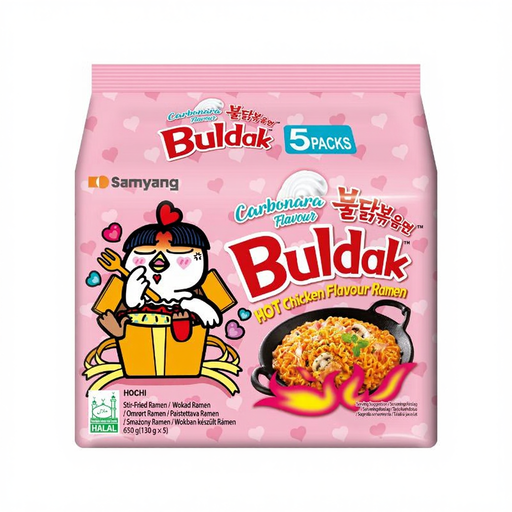
Why this suits the profile: The combination of spicy chicken-like flavour and carbonara is designed for shoppers who want a distinctive sauce and thicker noodles.
It’s clearly a stir-fry variant; the preparation method and presence of milk, soya and gluten are stated.
5 × 130 g, carbonara powder and a product description showing 423 kcal and 2.6 g salt per 100 g.
We’ve put together a full, up-to-date list of products that fully meet these strict selection criteria and comply with current European safety regulations.
Use the instructions on the packaging as your starting point. For soup noodles, add the stated amount of boiling water and respect the waiting time. For stir-fry noodles, you usually drain the cooking water before adding the sauce. An egg, spring onion, pak choi or mushrooms can add extra texture, but will also change the nutritional value and total preparation time.
Pay attention to the warnings on cup noodles. A cup isn’t automatically suitable for the microwave. Only use a microwave-safe dish for heating if the packaging specifies it.
Not quite. “Ramen” is often used for Japanese or Korean noodle dishes, while instant noodles are a broad product category. This includes Chinese instant noodles, Indonesian Mi Goreng and Thai variants. The sauce, broth, noodle shape and preparation method make the difference.
Check the best-before date on the packaging and store the product in a cool, dry place. Unopened sachets and cups generally remain suitable until the stated date as long as the packaging is intact. Don’t use any product with damaged packaging. Once prepared, it’s best to eat instant noodles straight away.
That depends on the portion size and what you add. The product information for many variants mainly lists carbohydrates and fats; the protein content varies from product to product. Feel free to add vegetables, egg, tofu or another source of protein. If you have allergies, always check the full ingredients and allergens list on the current packaging.
