
Vandaag of morgen in huis

Kwaliteit gegarandeerd

Welkomstaanbiedingen ontgrendelen: GRATIS bezorging | Tot 80% korting | Gratis 30 dagen JoyPlus-proefperiode
Download de app
Instant noodles are handy for a quick meal, a late-night snack, or keeping a stash in your kitchen cupboard. Yet cup noodles, bowls and multipacks vary widely in flavour, portion size and preparation. A packet with a striking picture of spicy broth, for example, tells you very little about the actual ingredients or nutritional values.
With this practical buying guide, you can compare instant ramen based on verifiable information. That way, you’ll avoid a disappointing purchase and make a more informed choice between Korean ramen, Japanese noodles, noodle soup and Asian noodles with chicken, kimchi or beef flavour.
A cup weighing 62 to 75 grams is usually intended as a single snack or light meal. A bowl of 100 to 112 grams typically contains more noodles, but also more seasoning mix and salt per packet. A box with multiple cups is practical for stocking up, but always check whether these are individual portions and what the net weight per portion is.
Spicy noodles can range from mildly seasoned to extremely hot. Terms like kimchi, teriyaki or roasted beef also indicate a flavour direction, not a freshly prepared dish. So always check the ingredients list. There you’ll see, among other things, whether dried vegetables, sesame, fish, chicken, beef, pork or flavour enhancers have been added.
With most instant noodles, you need to use boiling water and stick to the stated waiting time. A cup that needs three minutes won’t turn out the same if you use lukewarm water. Also pay attention to the difference between noodle soup and stir-fry noodles: some varieties are drained after soaking and mixed with sauce, such as certain soba products.
Choose a cup if you’re mainly after convenience at the office, on the go or in a student room. A bowl often offers more content and is better suited as a lunch or quick meal. For households and offices, a multipack can be appealing, but compare the price per 100 grams rather than just the price per box.
Examples from the range vary from an Oyakata cup of 62 grams to a Cung Dình box with 12 bowls of 105 grams. These are different usage scenarios and not a direct one-to-one comparison.
Pay attention to the form of the seasoning:
With products carrying a label such as “authentic” or “traditional”, it’s wise to regard this as the brand’s positioning. According to the product description from the manufacturer or seller, it concerns, for example, a Japanese or Korean flavour style; the exact composition is on the label.
Many instant noodles contain wheat and soya. Depending on the flavour, fish, shellfish, milk, egg, mustard, celery, sesame or peanuts may also be present. If you have allergies, you must always check the packaging. The online information may differ from the current label.
The stated nutritional values also show that the varieties differ. In the product information, for example, several Nongshim variants list around 430 kcal per 100 grams, while a MAMA Pho Ga variant states 7.7 grams of salt per 100 grams. Use such data as a comparison point and check the packaging before consumption.
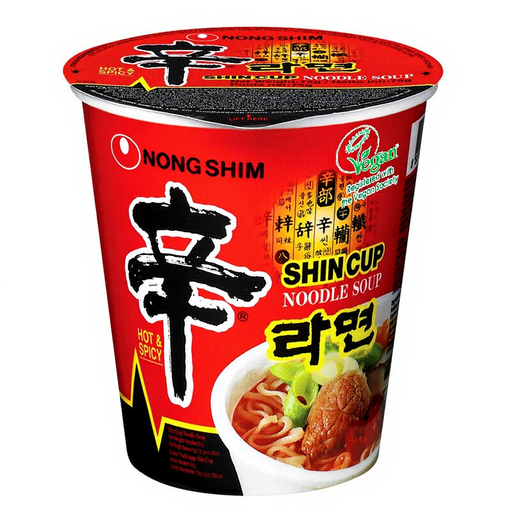
Why this suits the profile: This compact cup is simple to prepare with boiling water and works well as a first introduction to Korean ramen or as a quick snack.
The weight of 68 g and the preparation time of around 3 to 5 minutes are clearly stated. So you know in advance that it’s a smaller portion.
Cup format, preparation with hot water and product information about wheat and soya.
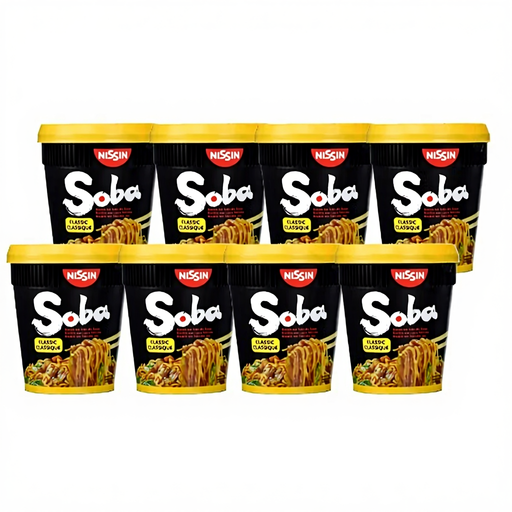
Why this suits the profile: A multipack of Japanese soba noodles is ideal for anyone who wants a regular, reliable stock and is looking for a soy-based flavour with a separate seasoning sachet.
The pack contains 8 portions of 90 g and states a preparation time of 3 minutes. The portion size and stock quantity are therefore easy to plan.
8 x 90 g, separate seasoning sachet and buckwheat alongside wheat in the noodles.
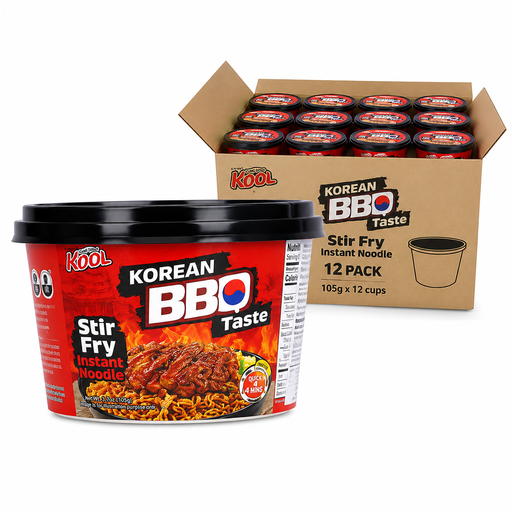
Why this suits the profile: This box of 12 bowls is ideal for offices, larger households and enthusiasts who often want a quick lunch or meal on hand.
The box states 12 individual bowls of 105 g and a preparation using around 300 ml of hot water. This makes the stock and portions easy to manage.
105 g per bowl, stir-fry preparation in 2 to 3 minutes and a multipack of 12 units.
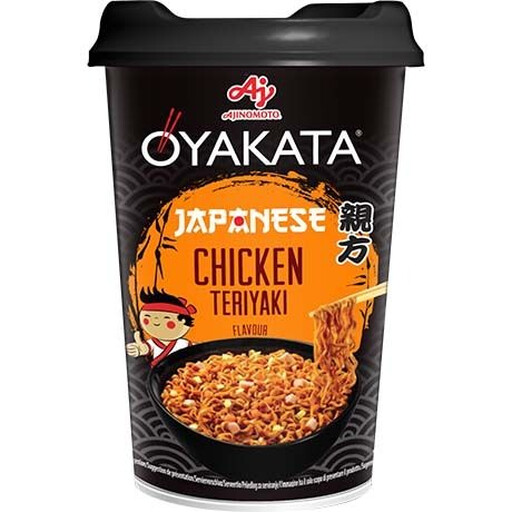
Why this suits the profile: The cup combines chicken, teriyaki and dried vegetables in a 96 g portion for a quick meal without needing a separate pan.
The product states a clear flavour direction, portion weight and allergens such as wheat, soya and several possible traces. Do check the current label.
96 g cup, chicken teriyaki flavour and dried chicken, carrot, cabbage and chives according to the product information.
We’ve put together a full, up-to-date list of products that fully meet these strict selection criteria and comply with current European safety regulations.
Partially open the lid, add the seasoning or sauce according to the packet and pour boiling water up to the indicated line. Close the cup and wait, usually 3 to 5 minutes. Then stir thoroughly. Be careful with hot water and a warm container.
Store unopened instant noodles in a cool, dry place away from sunlight and moisture. Always check the best before date on the packaging. Do not use a product if the packaging is damaged. With a multipack, it’s a good idea to place older cups at the front of your stock.
That depends on the portion size and your eating habits. A cup of around 62 to 75 grams can be a snack or light meal for some people, while a bowl of 100 grams or more offers more substance. You can add fresh vegetables, an egg or another topping if you like, but first check the allergens and preparation instructions.
