
Vandaag of morgen in huis

Kwaliteit gegarandeerd

Welkomstaanbiedingen ontgrendelen: GRATIS bezorging | Tot 80% korting | Gratis 30 dagen JoyPlus-proefperiode
Download de app
The shelves, both in-store and online, are overflowing with instant noodles. From Korean ramen to Thai cup noodles, the selection is vast. But how do you find the noodles that truly match your taste without falling for the usual marketing traps? As a Product Recommendation Officer at Joybuy, I'm here to help you make the right choices based on facts, not fluff.
Many consumers face the same issues. First, the packaging. It often depicts a lavishly filled bowl with fresh vegetables and meat, while the actual contents are just a block of noodles and a few sachets of powder. Second, there's the claim of 'authenticity'. Many Asian noodles sold in Western markets have an adjusted, milder flavor profile that bears little resemblance to the original tastes. Finally, there's the cost trap: individual packs seem cheap, but for regular consumers, a bulk pack of noodles or a noodle box is often far more economical per serving.
To avoid disappointment, it's helpful to look at a few concrete product features instead of just the packaging.
Not all instant noodles are created equal. The texture and cooking time depend heavily on the type.
The origin of the noodles says a lot about the expected flavor profile.
By paying attention to the origin and the flavor description (e.g., 'kimchi', 'tom yum', or 'black bean sauce'), you can more effectively buy ramen that matches your preferences.
Below is a selection of popular choices, matched to different preferences and use cases.
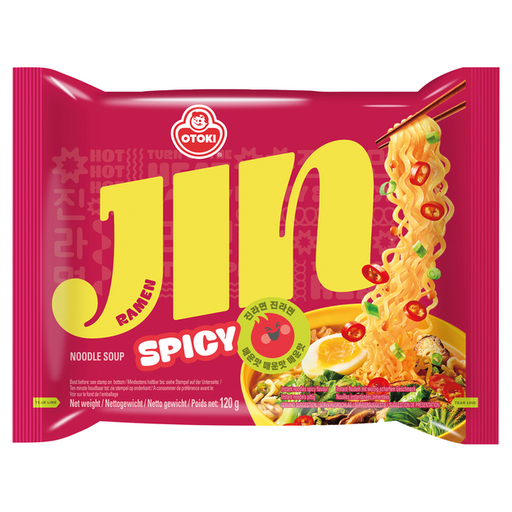
Why This Fits Their Persona: For those seeking the authentic, spicy kick of Korean ramen. These noodles offer a deep, savory flavor that hasn't been toned down for the Western market. Ideal for anyone who loves a robust, spicy meal.
This product delivers an authentic Korean taste experience, not a vague 'spicy' flavor. Furthermore, the bulk pack of noodles avoids the higher cost of individual purchases.
Rich broth based on beef extract with a distinct spiciness. Comes in an economical noodle box of 20 packs.
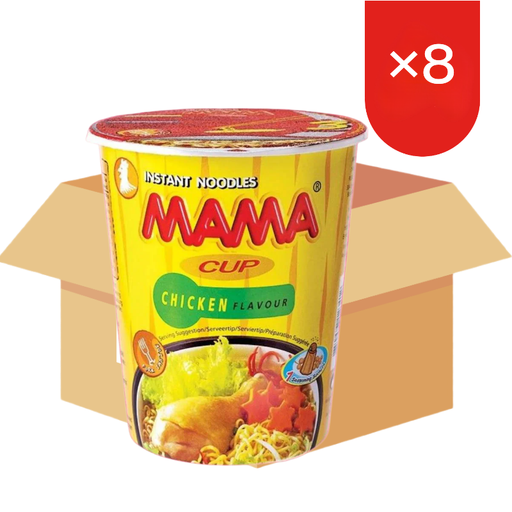
Why This Fits Their Persona: For when time is scarce. Ideal for a quick lunch at the office, a late-night meal after studying, or when you simply don't feel like cooking. All you need is hot water and a few minutes of patience.
These cup noodles are designed for maximum convenience. What you see is what you get: a quick, hot meal with no extra dishes or complicated steps.
Ready in minutes; the packaging doubles as a bowl, ensuring minimal cleanup. The classic chicken flavor is approachable and mild.
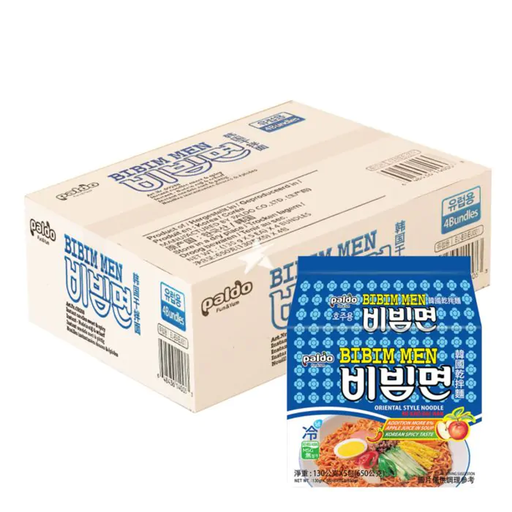
Why This Fits Their Persona: Perfect for those who want something different from the standard noodle soup. This is a refreshing, sweet-and-spicy cold noodle dish that is especially popular during the Korean summer. A unique taste experience.
This isn't a soup trying to be a meal. Paldo Bibim Men is a specific dish: Korean cold mixed noodles. The focus is entirely on the sauce and the texture of the noodles.
Unique sweet-and-spicy gochujang-based sauce. It's eaten cold, making it surprisingly refreshing, especially in warmer weather.
We have compiled a complete, up-to-date list of products that fully meet these strict selection criteria and local regulations.
The easiest way to elevate your instant noodles is by adding fresh ingredients. Think of a soft-boiled egg, some finely chopped spring onions, bok choy, bean sprouts, or leftover chicken or meat. A dash of soy sauce, sesame oil, or a spoonful of chili paste can also significantly deepen the flavor.
Although the terms are often used interchangeably, 'ramen' typically refers to the Japanese version, known for its slow-simmered, complex broths and fresh toppings. 'Ramyun' is the Korean term and almost always refers to instant noodles. Korean ramyun is generally spicier and has a stronger, more pronounced flavor.
Yes, instant noodles are dried products and have a very long shelf life, often more than a year after the production date. This makes a noodle box or a bulk pack of noodles an excellent choice for stocking your pantry. Store the box in a cool, dry place to maintain optimal quality, and always be sure to check the 'best before' date on the packaging.
