
Vandaag of morgen in huis

Kwaliteit gegarandeerd

Welkomstaanbiedingen ontgrendelen: GRATIS bezorging | Tot 80% korting | Gratis 30 dagen JoyPlus-proefperiode
Download de app
Looking to buy instant noodles for a quick lunch, easy meal or stocked cupboard? There’s much more choice than just chicken, beef or spicy. You’ll find everything from instant noodles in a cup and Korean noodles to Chinese instant noodles, Japanese soba and Vietnamese pho noodles.
However, attractive packaging can still lead to a disappointing purchase. A large cup does not automatically mean a large portion, a description such as “extra spicy” does not always tell you exactly what is inside, and a multipack can be inconvenient if the flavour does not suit your household. Use the points below to compare products based on information you can verify.
“Beef”, “chicken” or “pho” mainly describes the flavour profile. Check the ingredients list as well. Some products use meat extract, while others list artificial flavourings or dried pieces. For example, VIFON Pho Bo lists an artificial beef flavouring alongside spices such as cinnamon, cloves and aniseed.
A box of 12 instant noodle cups may look like good value, but the contents per cup vary. The range includes cups weighing 60, 68, 70, 71, 80, 90, 96, 98 and over 100 grams. Compare the net contents per item as well as the total weight of the pack.
Spicy instant noodles often contain several flavour sachets, such as oil, chilli sauce and seasoning powder. This means the flavour can vary considerably depending on how much you add. Also check the salt content on the label. The product information for VIFON Pho Bo, for example, states 8.0 grams of salt per 100 grams, while Acecook Chicken Bowl lists approximately 4.0 grams of salt per 71-gram cup. Always check the current packaging, as labels may change.
Choose a single cup if you want to try different flavours or have limited storage space. A multipack is more convenient for a regular lunch routine, a shared student house, office supplies or a family. Pay attention to the difference between a box containing 8, 12, 16 or 24 items. Large packs of instant noodles are particularly practical when you already know you like the flavour.
The packaging also affects preparation. Many cup noodles only require boiling water, but the amount of water and the waiting time vary. Products in this selection, for example, require around 3 to 5 minutes to prepare and sometimes 400 to 500 millilitres of water.
Asian instant noodles are not one uniform product category. Wheat noodles are common in Korean noodles, Chinese instant noodles and Japanese noodles. Vietnamese pho noodles are generally made from rice noodles. Check the ingredients if you want to avoid gluten: several products in this selection contain wheat, soya or both.
Nissin Soba lists buckwheat alongside wheat flour. This makes it different from a standard wheat cup, but it still contains cereals with gluten. If you have allergies, the allergens shown in bold on the physical packaging take precedence.
A product with one seasoning sachet is quick and straightforward. Several sachets can give you more control over the flavour, but they also require a few extra steps. With spicy varieties, add only part of the sauce or oil first if you want to adjust the intensity. Use the stated amount of water to achieve the intended concentration of the broth.
The nutritional values shown are usually per 100 grams. Where possible, also compare the values per cup, so you do not draw the wrong conclusions about energy, fat or salt.
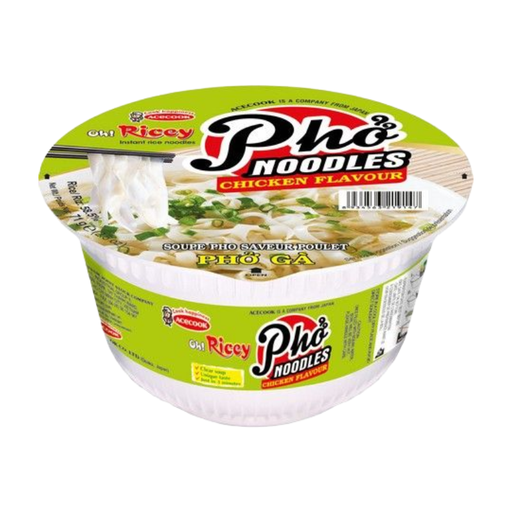
Why it suits this profile: The box contains 12 71-gram cups with rice noodles and chicken broth. It is a straightforward starting point for students, offices or households looking to build up a supply without committing to several different flavours straight away.
The portion size and number of cups are clearly stated. According to the product information, it is designed for quick preparation with hot water.
12 individual cups; 275 kcal per cup according to the stated table; rice noodles with chicken broth.
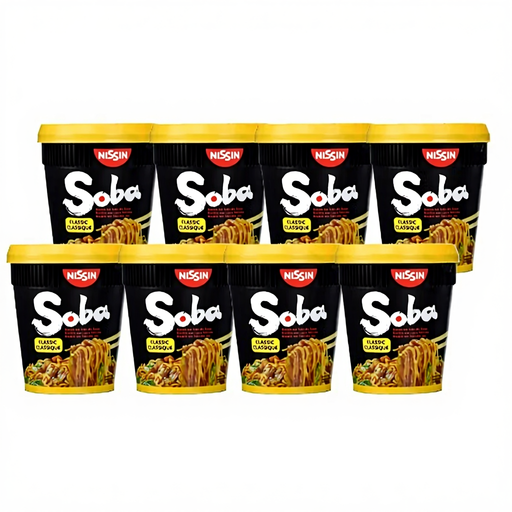
Why it suits this profile: Ideal if you are looking for a Japanese noodle variety with soba and a soya-based broth. The box contains 8 90-gram cups and the stated preparation time is 3 minutes.
The ingredients explicitly list wheat, buckwheat and soya. This allows you to check in advance whether this variety suits your diet and allergies.
8 90-gram cups; soba with buckwheat; ready in around 3 minutes.
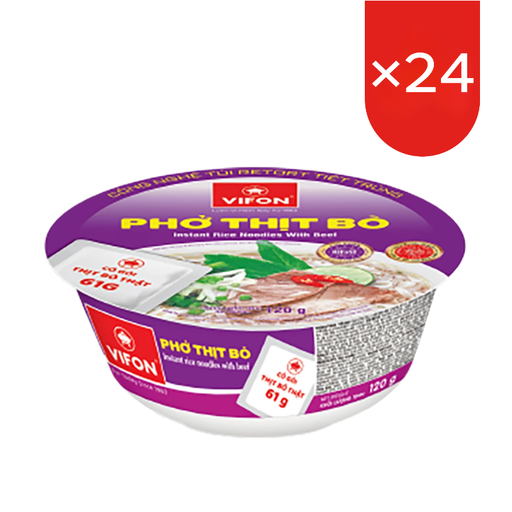
Why it suits this profile: This large pack is practical for businesses, events or households where a quick bowl needs to be available regularly. The flavour is based on Vietnamese pho with rice noodles and spices.
The pack contains 24 portions of 60 grams. The preparation instructions specify 400 millilitres of boiling water and a waiting time of around 3 minutes.
24 individual cups; rice noodles; pho spices and, according to the product description, pieces of beef.
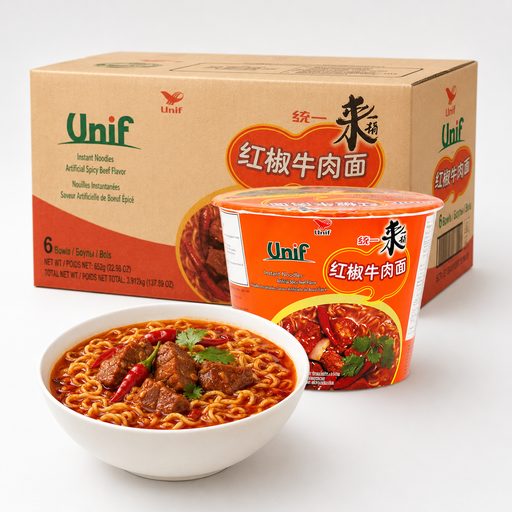
Why it suits this profile: The product description mentions a spicy mala flavour with Sichuan pepper and chilli, combined with beef flavouring. The box of 12 bowls is ideal for fans who want to enjoy this flavour regularly.
The ingredients specifically list chilli and Sichuan pepper. Wheat, soya and egg are also identified as allergens.
110 grams per bowl; 12 bowls per box; dehydrated vegetables such as carrot and spring onion.
We have put together a complete, up-to-date list of products that fully meet these strict selection criteria and the applicable European safety regulations.
Partially open the lid, add the flavour sachets as instructed and pour in boiling water up to the indicated line. Close the cup and wait for the stated time, usually around 3 to 5 minutes. Stir well before eating. Always follow the preparation instructions on your packaging.
The best-before date is shown on the packaging. Store unopened cups in a cool, dry place and avoid heat, moisture and direct sunlight. Once opened or prepared, it is best to consume the product immediately.
That depends on the price per portion, the number of cups and the weight per cup. Divide the total price by the number of portions and also compare the net contents. A box of 24 small cups is not automatically better value than a box of 12 larger bowls.
