
Vandaag of morgen in huis

Kwaliteit gegarandeerd

Welkomstaanbiedingen ontgrendelen: GRATIS bezorging | Tot 80% korting | Gratis 30 dagen JoyPlus-proefperiode
Download de app
Instant noodles are a convenient option for a quick meal, whether you’re stocking the cupboard, the office or a professional kitchen. However, Asian instant noodles vary widely in size, preparation, flavour and ingredients. A large box may seem like good value, but it’s less practical if you don’t like the taste or the best-before date is approaching.
This buying guide will help you make an informed choice between Korean ramen, Thai noodles, Indomie noodles and other popular varieties.
A bulk pack of instant noodles often contains 20 to 40 servings. That’s practical for families, student houses, offices and shops – but only if you’ll use that flavour regularly. So compare:
A box of 20 servings at 120 g each isn’t directly comparable to a box of 30 servings at 60 g or 79 g each.
Spicy instant noodles can contain a dry seasoning mix, chilli powder, chilli oil or several sachets. Samyang Buldak, for example, is known for an intense flavour experience, whereas a Korean noodle soup like Nongshim Shin Ramyun is all about a savoury, spicy broth.
Also pay attention to the preparation method. With some products you can hold back part of the chilli sauce. With others, the entire seasoning packet is added to the soup.
Always check the ingredients, allergens, net weight and preparation instructions on the product page and packaging. Product information can vary by market or pack. Some varieties may say “shrimp flavour” on the front, while the ingredients list may also include fish, shellfish, soya or milk.
According to the product information, the Acecook Tom Yum Shrimp variety, for example, contains prawns, soya and wheat. The exact packaging remains the final authority.
For personal use, multipacks of 5 or 6 servings are easy to manage. For a family, office, catering business or Asian supermarket, an instant noodles multipack of 20 to 40 servings may make more sense.
Examples from the range:
Don’t just look at the number of sachets – focus on the weight per serving and how you plan to serve the noodles.
There are three practical categories:
The cooking time for the products mentioned is usually around 3 to 5 minutes. Always follow the instructions on the pack, especially regarding the amount of water and whether or not to drain.
Most instant noodles are made from wheat flour and therefore contain gluten. Many varieties also contain soya. Other possible allergens include:
Check the full ingredients list if you’re cooking for several people. The packaging may contain more up-to-date information than an online product description.
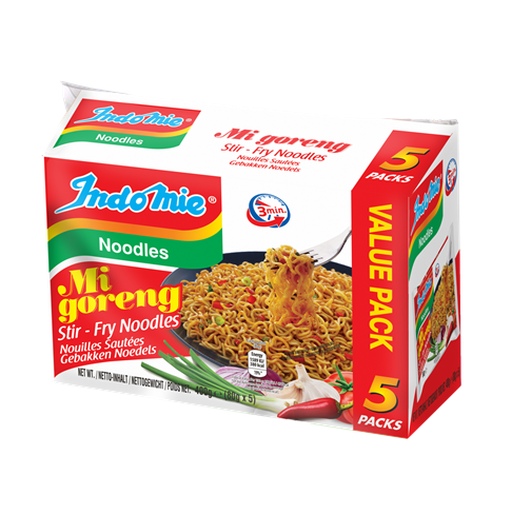
Why this fits the profile: A small multipack is ideal for trying the Indonesian stir-fry style first, without committing to a large number of servings.
The pack contains five servings, reducing the risk of an unused bulk pack.
Dry preparation with seasoning oil, spices, sweet soya sauce and chilli powder; preparation method as per the product description.
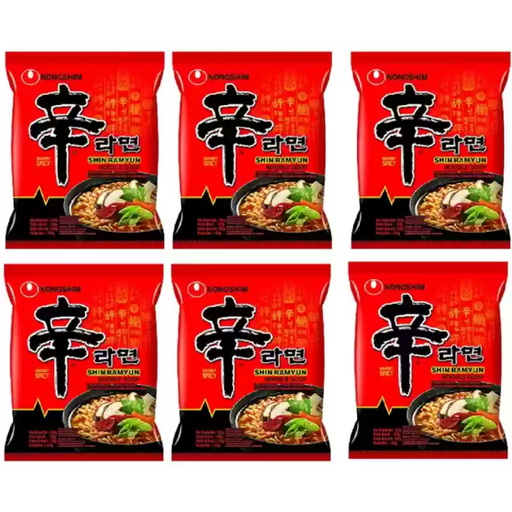
Why this fits the profile: These Korean ramen offer a familiar combination of spicy broth, noodles and dried vegetables in a neat multipack.
The product information states a clear cooking time of around 4.5 minutes and 550 ml of water, so you can prepare the serving accurately.
120 g per serving, soup preparation and a seasoning mix including garlic, chilli and dried vegetables according to the product information.
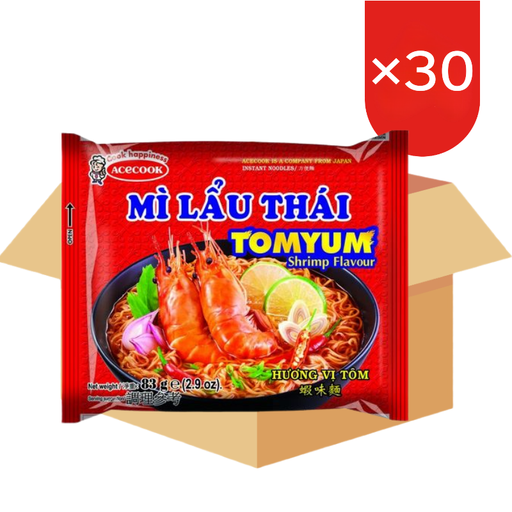
Why this fits the profile: A box of 30 individual servings suits offices, catering, families and shops that regularly offer prawn-flavour noodles.
According to the product information, the chilli is added separately, so you can adjust the amount to your preferred level of heat.
30 servings of 83 g, Tom Yum profile, prawns as an ingredient and preparation with hot water in around 4 minutes.
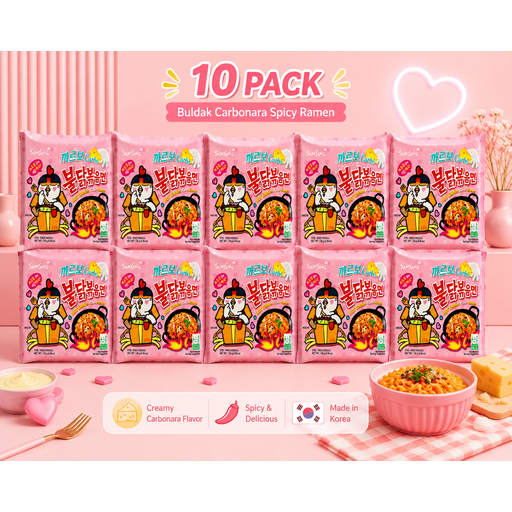
Why this fits the profile: The combination of chilli sauce and carbonara powder is designed for those seeking Korean ramen with a bold, creamy flavour.
The packaging and product information list separate sauce and powder components, so the preparation is clearly different from a standard noodle soup.
130 g per serving, carbonara flavour, wheat noodles and milk and soya allergens clearly stated in the product information.
We’ve put together a full, up-to-date list of products that fully meet these strict selection criteria and comply with current European safety regulations.
It varies by product. For soup noodles, you usually boil the noodles for 4 to 5 minutes in water with the seasonings. For cup noodles, you add hot water and wait around 3 to 4 minutes. Indomie Mi Goreng is drained after boiling and then mixed with the sachets. Always follow the instructions on the pack.
Check the date on the packaging and store the products in a cool, dry place away from direct sunlight. Keep an opened pack tightly sealed. Do not use any product with damaged packaging. With bulk packs, it’s wise to use the oldest boxes first.
Not automatically. Some varieties contain chicken flavouring, fish, anchovy, prawns or shellfish. Milk, soya and other allergens may also be present. So always check the full ingredients list and allergen information for each product.
