
Vandaag of morgen in huis

Kwaliteit gegarandeerd

Welkomstaanbiedingen ontgrendelen: GRATIS bezorging | Tot 80% korting | Gratis 30 dagen JoyPlus-proefperiode
Download de app
Instant noodles are more than just a quick snack for students. They represent a world of flavours, from spicy Korean challenges to heartwarming Chinese noodle soups. But whether you're browsing online or in the supermarket, the selection can be overwhelming. The packaging screams for attention, promising "authentic" flavours. How can you know what you're really getting?
As a Joybuy Product Recommendation Officer, I'm here to help you make the right choices. We'll look past the marketing and focus on what really matters. In this guide, we'll discuss the most common pitfalls and provide practical tips so you can buy the right instant noodles with confidence.
Before you stock your pantry full of noodles, it's wise to be aware of a few common missteps.
To avoid a bad purchase, there are a few objective features you can look for. These specifications determine the final taste and eating experience.
The foundation of your meal is determined by the type of noodle and its preparation method.
The complexity of the flavour is determined by the seasonings.
The origin of the noodles often gives a good indication of the flavour profile.
To help you get started, we've highlighted a few popular choices that suit different preferences and situations.

Why This Fits Their Persona: Perfect for those who seek the famous Samyang Buldak heat but with a creamy twist. The carbonara cheese powder mellows the spice and adds a rich, savoury flavour, making it a unique experience for lovers of spicy noodles.
This is not a generic "spicy" flavour. The combination of the fiery chicken paste sauce and the creamy cheese powder delivers a specific and layered taste that lives up to the promise on the packaging.
A unique combination of creamy and very spicy. The thick, firm noodles are an excellent match for the rich sauce.

Why This Fits Their Persona: For families, student houses, or anyone who likes to keep a well-stocked pantry. By buying noodles in bulk from a globally popular brand like Nongshim Shin Ramyun, you always have a reliable and flavourful meal on hand.
You're buying a well-known and beloved flavour in a large quantity. The chance of this value pack of noodles sitting unused in the cupboard is slim. It's a safe and economical choice for the long term.
A globally appreciated savoury and spicy flavour. The bulk pack offers an excellent price per serving.
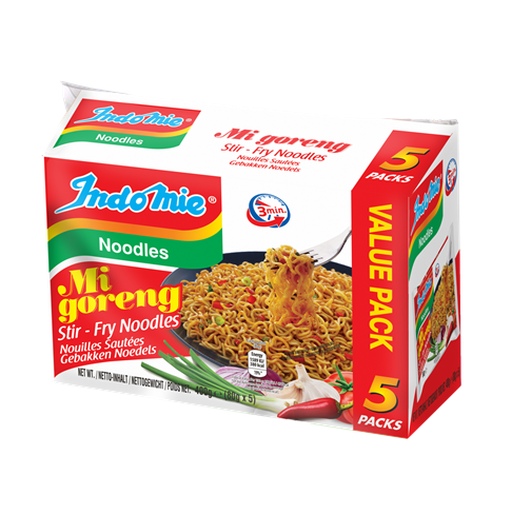
Why This Fits Their Persona: For those who want a change from soup. Indomie Mi Goreng is an iconic Indonesian stir-fry noodle that offers a sweet, savoury, and slightly spicy flavour experience. It's a quick meal that still tastes complex and satisfying.
This product is honest about what it is: a 'dry' noodle meal. The five separate sachets of oil, sweet soy sauce, chilli sauce, seasoning powder, and fried onions create an authentic flavour that far surpasses a simple powder sachet.
A complete and layered flavour experience in minutes. The combination of different seasonings ensures an authentic Indonesian taste.
We have compiled a complete, up-to-date list of products that meet these selection criteria and current regulations.
The easiest way to elevate your instant noodles is by adding fresh ingredients. Think of a soft-boiled or fried egg, some finely chopped spring onions, a handful of bean sprouts, or some leftover vegetables or chicken. A dash of soy sauce or sesame oil can also work wonders.
Although the terms are often used interchangeably, there is a slight difference. Japanese ramen usually refers to the fresh noodle soup from restaurants, known for its slow-cooked, complex broth. Korean ramyun is the term for the instant version, which is often much spicier. The Asian noodles you find in the supermarket are almost always the ramyun type.
Usually, yes. Buying a value pack of noodles or noodles in bulk lowers the price per serving. However, pay attention to the price per 100 grams to make a fair comparison. Also, consider whether you truly enjoy the flavour before buying a large box. A good deal is only a good deal if you actually eat it.
