
Vandaag of morgen in huis

Kwaliteit gegarandeerd

Welkomstaanbiedingen ontgrendelen: GRATIS bezorging | Tot 80% korting | Gratis 30 dagen JoyPlus-proefperiode
Download de app
By Joybuy Product Recommendation Officer, July 28, 2026
The instant noodle aisle can be overwhelming. The packaging promises a feast, but the reality is sometimes a disappointing bowl of soggy noodles with a bland flavor. Many people fall into the same traps: they buy a noodle value pack of an unknown flavor and are then stuck with it for months, or they choose a "spicy" packet that either tastes like nothing or numbs your taste buds for an hour.
This guide will help you avoid that buyer's remorse. We're not looking at marketing claims, but at the facts: the type of noodle, the packet's contents, and the flavor profile. This way, you can confidently choose the right Asian noodles that suit your taste and lifestyle.
Before you randomly grab a pack from the shelf, there are a few key points that make the difference between a quick, tasty meal and a disappointment.
Not all instant noodles are meant to swim in a soup. The first choice you need to make is between a soup noodle and a 'dry' variety.
The image on the packaging is a serving suggestion, not a promise. Look at what's actually inside. A basic packet often contains only a noodle block and a sachet of powder. More complete packages offer extras that significantly enhance the flavor and texture:
A package with multiple flavor components typically delivers a richer experience.
The origin of the noodles says a lot about the expected flavor profile. If you're looking for a specific taste, this will help you make the right choice.
Here are a few popular choices, matched to different preferences and situations. These recommendations are based on their product specifications and flavor profiles.
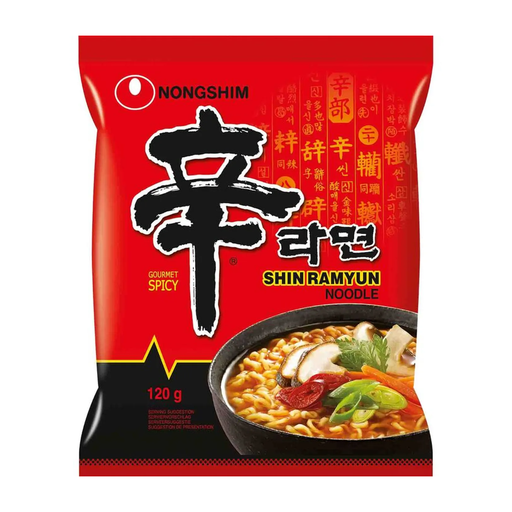
Why This Fits Their Persona: This is the gold standard for anyone seeking authentic Korean noodles with a serious kick. Perfect for a cold evening or when you crave a meal that awakens your senses.
No vague promises here. "Shin" means "spicy" in Korean. The product description is clear: "a fiery, deeply flavored broth." You know exactly what to expect.
A rich, savory broth with notes of mushroom and garlic alongside the chili. The noodles are thick and chewy, providing a satisfying texture.
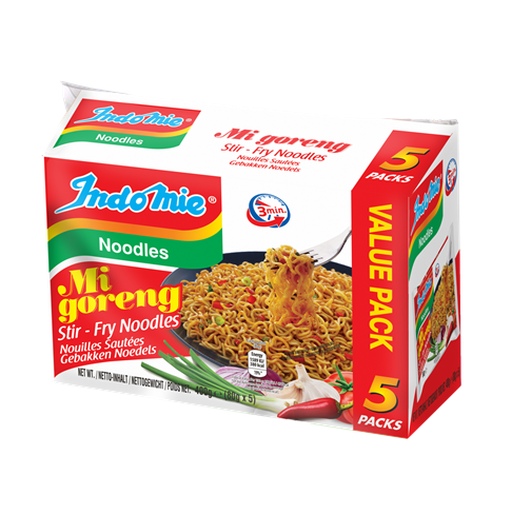
Why This Fits Their Persona: For those who don't want soup but still crave a quick, flavorful meal. This is the iconic Indonesian 'dry' noodle, perfect for lunch or as a base for a more elaborate dish.
This product completely avoids the "bland soup" trap. The description specifies the contents: seasoning oil, powder, sweet soy sauce, and chili powder. You know you're getting a complete flavor package.
The combination of sweet soy sauce (ketjap), savory seasonings, and a hint of spice is unique and widely loved. Ready in 3 minutes and easy to upgrade with a fried egg or vegetables.
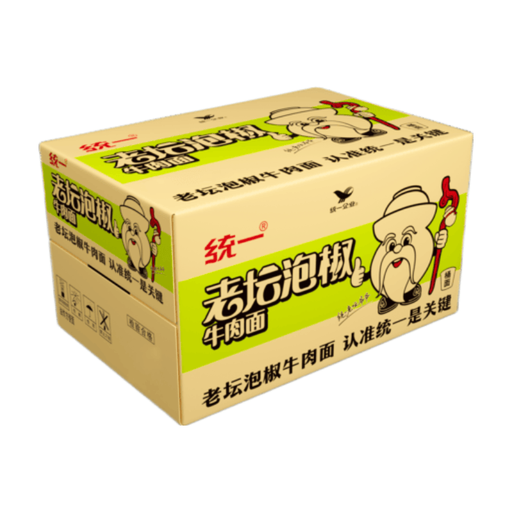
Why This Fits Their Persona: When time is short and you don't want to do dishes, cup noodles are the solution. This version offers a complex, spicy-sour flavor you wouldn't expect from a cup meal.
Many cup noodles are one-dimensional. Not this one. The description "spicy-sour pickled chili with beef flavor" sets a clear and accurate expectation for a more layered taste.
Extremely convenient: add boiling water, wait 3-5 minutes, and it's ready. The 12-pack value size is ideal for stocking up.
We have compiled a complete, up-to-date list of products that meet these objective selection criteria and current regulations.
The easiest way to upgrade your instant noodles is by adding fresh ingredients. A soft-boiled or fried egg always works well. Finely chopped spring onions, a handful of bean sprouts, or some fresh cilantro add freshness and texture. Leftover chicken, pork, or a few slices of steak can turn it into a complete meal.
Although the terms are often used interchangeably, there are differences. Japanese instant ramen is often inspired by traditional broths like miso, shoyu (soy sauce), or tonkotsu (pork bone), with a focus on umami and depth. Korean ramyun typically has a spicier and more powerful flavor, often with ingredients like kimchi and gochujang. The noodles in Korean ramyun are also usually a bit thicker and firmer.
Yes, absolutely. Most instant noodles are deep-fried to allow for quick cooking and to extend their shelf life. However, some brands specialize in air-dried or non-fried noodles. These often contain less fat and have a different texture, which enthusiasts say is closer to that of fresh noodles. An example is Wu Gu Dao Chang Classic Tomato & Egg Noodles, which is known for its non-fried wheat noodles.
