
当日/次日达

品质保障

开启新人专享福利: 全场免邮 | 低至 2 折 | 免费试用 30 天 JoyPlus 会员
下载 Joybuy
You know the drill: it's been a busy day, you're short on time, and you're craving a quick, warm meal. You reach for a packet or cup of instant noodles. The packaging promises a gourmet meal with tender pieces of meat and crisp vegetables. But after adding hot water, you're left with a bowl of noodles in a watery broth and a few stray, dehydrated vegetable flakes.
This is one of the common pitfalls of buying instant noodles. Manufacturers often use appealing photos that don't match the actual contents. Another frequent disappointment is the vague flavour description. "Spicy" can range from a mild tingle to a flavour that sets your mouth on fire. Without a clear indicator, it's a gamble. Let's explore how to avoid these disappointments and make a choice that fits your taste and lifestyle.
To avoid wasting money on a disappointing quick meal, it's helpful to pay attention to a few key details. The information on the packaging often tells you more than the marketing slogans.
Not all instant noodles are created equal. The texture and flavour are heavily influenced by the type of noodle:
Preparation time can vary from 3 minutes for thin cup noodles to as long as 8 minutes for thicker noodle varieties. Check this if speed is a priority.
The complexity of the flavour depends on the included sachets. A single powder packet often yields a one-dimensional noodle soup. Look for varieties with multiple sachets, such as:
A multipack of noodles with comprehensive flavour packets often offers better value for your money than a simpler version.
Instant noodles are known for their high sodium content. It's wise to check the label, especially if you're watching your salt intake. Also, pay attention to sugars and the calorie count.
For those with specific dietary requirements, the ingredients list is crucial. Vegetarian noodles are increasingly available, but always check that the broth powder does not contain animal extracts. Brands like Nongshim offer specific vegan options. Allergens such as gluten, soy, peanuts and shellfish must be clearly listed.
Based on clear product features and different needs, we have selected a few options.
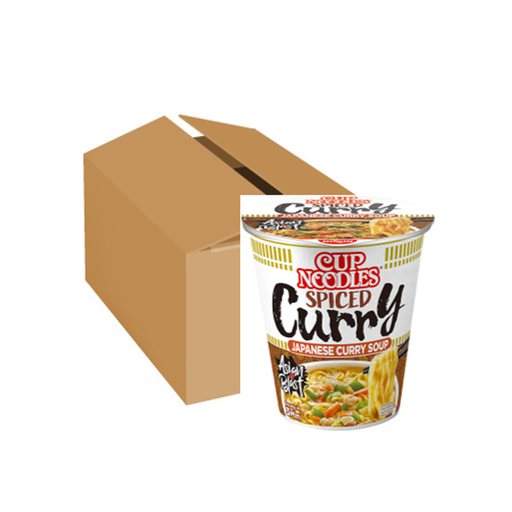
Why This Fits Their Persona: Ideal for anyone who needs speed and convenience. These cup noodles are perfect for a quick lunch at the office, in a lecture hall or at home. No washing up, just add hot water. The multipack is also great for stocking the pantry.
The product description is clear: "mild five-spice curry soup" with chicken and vegetables (potato, carrot, leek). This manages expectations and prevents disappointment over a vague "curry" flavour.
Speed and convenience thanks to the cup packaging. A familiar, reliable flavour from the Nissin brand. Ready in minutes.
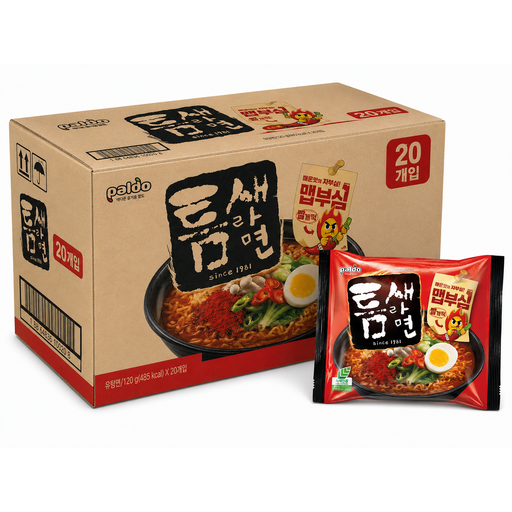
Why This Fits Their Persona: For those seeking authentic Korean ramen with a serious kick. This is no mild variant, but a product renowned for its intense heat. Perfect for the adventurous eater who loves a challenge.
This product bypasses the pitfall of vague "spicy" claims. The "volcanic ramen" description and the reputation of Teumsae Ramyun make it clear that you can expect a very hot noodle soup. No surprises here.
Offers an authentic, rich and extremely spicy Korean flavour. The noodles are firm and chewy, which pairs well with the powerful broth.
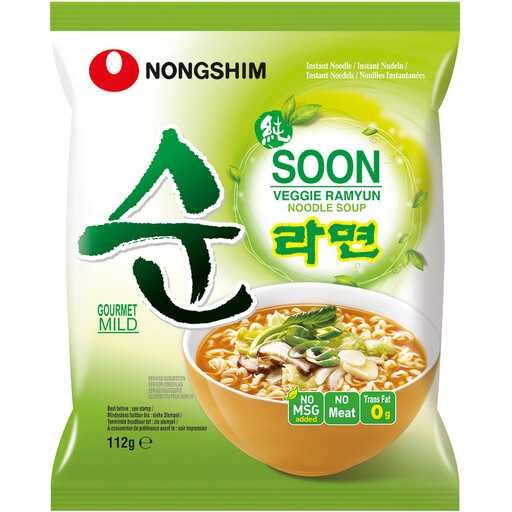
Why This Fits Their Persona: An excellent choice for vegetarians and vegans who don't want to compromise on flavour. These vegetarian noodles from Nongshim offer a savoury and full-bodied taste without any animal products.
This product is explicitly positioned as a vegetarian/vegan option. According to the manufacturer Nongshim, the product is vegan-certified and free of meat products, which eliminates ambiguity about hidden animal ingredients.
A fully plant-based meal with a rich, savoury umami flavour from ingredients like shiitake and soy sauce. The taste is described as mild and not overly spicy.
We've compiled a complete, up-to-date list of products that meet these selection criteria and current regulations.
You can easily upgrade a simple bowl of instant noodles. For example, add a soft-boiled or fried egg for extra protein. Fresh spring onions, coriander or a handful of bean sprouts add a fresh, crisp texture. A dash of soy sauce, sesame oil or sriracha can further deepen the flavour.
Although the terms are often used interchangeably, there are subtle differences. Japanese noodles for ramen often have a more subtle, refined broth, based on ingredients like miso, shoyu (soy sauce) or tonkotsu (pork bones). Korean ramen (ramyun) is generally known for a more powerful and often spicier broth, with flavours like kimchi and gochujang (Korean chilli paste). The noodles in Korean ramyun are also typically a bit thicker and firmer.
The packaging (cup or packet) does not determine whether a product is healthier. It's all about the ingredients and nutritional values. Both cup noodles and packet noodles can have high sodium content. The best way to make an informed choice is to read the label and compare the nutritional information tables, regardless of the packaging type.
